
You’ve probably noticed how indoor air pollution can be just as harmful as outside air, especially with sources like cooking fumes, mold, and cleaning products. Rising health awareness, especially after the pandemic, makes air quality devices more important for protecting your family’s wellbeing. These devices give real-time data, helping you act quickly to improve air safety. Keep exploring to discover how these tools can make your home healthier and safer every day.

Get the latest gadgets delivered free — and shop member deals
- Fast, free delivery on millions of items
- Access to Prime Big Deal Days deals on October 6–7
- Prime Video, Amazon Music and more included
Key Takeaways
- Increased awareness of indoor pollution sources and health impacts has made air quality a top home concern.
- Advances in sensor technology provide real-time monitoring, enabling proactive indoor environment management.
- The COVID-19 pandemic heightened focus on airborne health risks, promoting air quality device adoption.
- Vulnerable groups benefit from continuous air quality data, emphasizing the importance of cleaner indoor air.
- Investing in air quality devices aligns with broader health and wellbeing priorities in modern households.
With increasing awareness of indoor air pollution, installing air quality devices in your home has become a practical way to improve your environment. You’re likely realizing that the air inside your home can be just as polluted as outdoors, if not more so, due to various indoor pollution sources. These sources include cooking fumes, cleaning products, mold, pet dander, and even off-gassing from furniture or electronics. Recognizing these risks makes it clear why many homeowners are now prioritizing air quality devices.
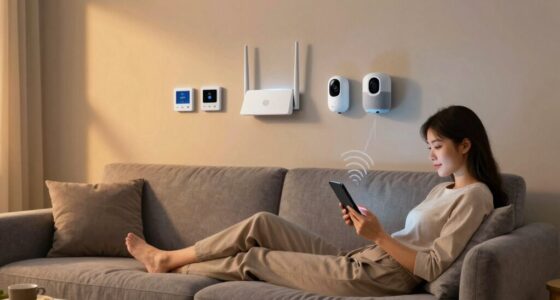
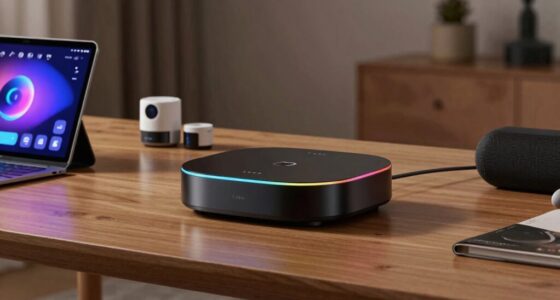
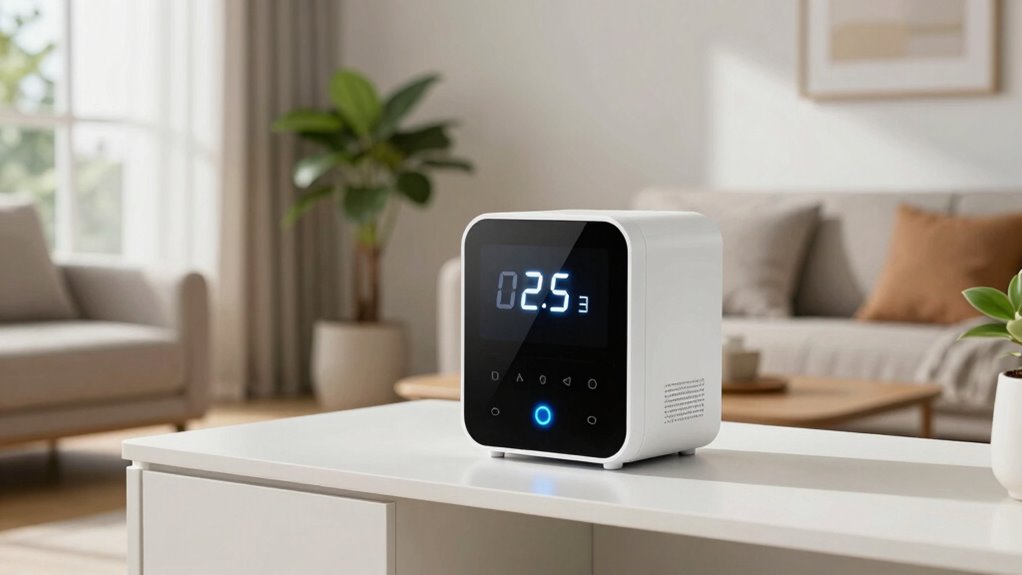
One of the main reasons is the advancement and accessibility of air quality sensors. These compact devices continuously monitor the air around you, detecting pollutants like particulate matter, volatile organic compounds (VOCs), carbon dioxide, and humidity levels. When you install air quality sensors, you gain real-time insights into your indoor environment. Instead of guessing whether your air is safe, you get precise data that helps you make informed decisions. If levels of certain pollutants spike, you can take immediate action—like increasing ventilation, changing filters, or reducing specific activities that contribute to pollution.
Air quality sensors provide real-time data, helping you detect pollutants and take quick action to improve your indoor environment.
Another key factor is that indoor pollution sources are often hidden or overlooked. You might not realize how much dust, mold spores, or chemical fumes are accumulating in your home. Without proper detection, these pollutants can linger unnoticed, impacting your health over time. Air quality devices with integrated sensors can identify problems early, alerting you before they become serious health concerns. This proactive approach is especially important if you have children, elderly family members, or individuals with respiratory issues, as they are more vulnerable to air quality problems. Additionally, indoor air quality monitoring technology has become more affordable and user-friendly, encouraging more households to adopt these solutions. Enhanced sensor accuracy also plays a vital role in providing reliable data, ensuring you can trust the information you receive. Moreover, the advancement of sensor technology has made these devices more compact and easier to use, fitting seamlessly into various home environments. Recognizing the importance of air quality data can help you better understand your home environment and take targeted measures to improve it.
The increased focus on health and wellbeing has also contributed to making air quality devices a priority. The COVID-19 pandemic, in particular, heightened awareness about airborne pathogens and the importance of clean air. Homeowners now see these devices not just as comfort tools but as essential health safeguards. They’re investing in technology that can help reduce allergens, control humidity to prevent mold growth, and filter out harmful particles. This shift reflects a broader understanding that good indoor air quality directly supports overall health, productivity, and even sleep quality.
Ultimately, you’re choosing to be proactive about your home’s air quality. By installing reliable air quality sensors and addressing indoor pollution sources, you take meaningful steps toward creating a safer, healthier environment. It’s about more than just comfort—it’s about safeguarding your health and that of your loved ones, making air quality devices a smart, practical investment in your home’s well-being.
air quality monitor with VOC sensor
As an affiliate, we earn on qualifying purchases.
As an affiliate, we earn on qualifying purchases.
Frequently Asked Questions
How Often Should I Replace Air Filters in My Device?
You should replace your air filter every 1 to 3 months, depending on filter maintenance and your home’s air quality. Check the manufacturer’s recommendations and consider factors like pets, allergies, and pollution levels. Regular replacement frequency guarantees your device runs efficiently, improves indoor air, and prolongs its lifespan. If you notice reduced airflow or increased dust, it’s time for a new filter. Stay proactive for cleaner, healthier air at home.
Can Air Quality Devices Detect All Indoor Pollutants?
Think of air quality devices as vigilant guardians, but they aren’t all-seeing eye spies. They can detect many pollutants like formaldehyde and airborne VOCs through air quality sensors, yet they might miss some hidden indoor VOCs lurking behind walls or furniture. While they offer valuable insights, understand their limits—these devices work best as part of a broader strategy to keep your home’s air clean and safe.
Are There Specific Devices for Allergens Versus Pollutants?
Yes, there are specific devices for allergens versus pollutants. Allergen-specific air purifiers target common allergens like pet dander, pollen, and dust mites, often using HEPA filters. Pollutant-specific devices focus on chemicals, smoke, or VOCs, and may use activated carbon filters or advanced sensors. You can choose devices tailored to your needs, ensuring better indoor air quality by effectively targeting either allergens or pollutants or both.
Do Air Quality Devices Require Professional Installation?
No, air quality devices don’t always need professional installation, but don’t assume they’re plug-and-play miracles. You’ll want to check maintenance tips to keep them running smoothly and confirm device compatibility with your existing systems. While some models are as simple as plugging in, others might require a bit of technical finesse. So, unless you’re a DIY hero, a quick expert consultation could save you from future air quality disasters.
How Noisy Are Most Air Quality Monitoring Devices?
Most air quality monitoring devices are quite quiet, with noise levels typically ranging from near-silent to only a gentle hum. You won’t often notice device noise during daily activities, making them suitable for bedrooms and living rooms. Their device quietness guarantees they won’t disturb your sleep or concentration. If noise is a concern, look for models specifically designed with low noise levels, which prioritize quiet operation for your comfort.
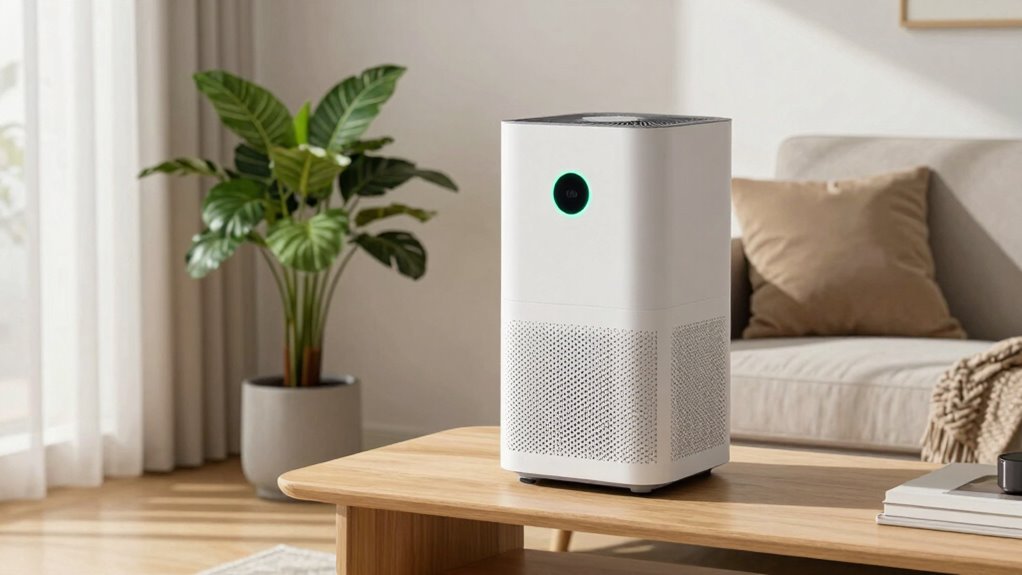
indoor air purifier with real-time sensor
As an affiliate, we earn on qualifying purchases.
As an affiliate, we earn on qualifying purchases.
Conclusion
As you breathe in cleaner air, it’s like opening a window to fresh possibilities. Just like a filter traps dust and pollutants, air quality devices catch the hidden dangers that lurk in our homes. Imagine your space as a garden—when you tend to it with care, it flourishes. Investing in these devices isn’t just about comfort; it’s about creating a sanctuary where every breath you take nurtures your health and peace of mind.
smart air quality sensor for home
As an affiliate, we earn on qualifying purchases.
As an affiliate, we earn on qualifying purchases.
air pollution detector for indoor use
As an affiliate, we earn on qualifying purchases.
As an affiliate, we earn on qualifying purchases.
Halloween Picks
halloween
As an affiliate, we earn on qualifying purchases.