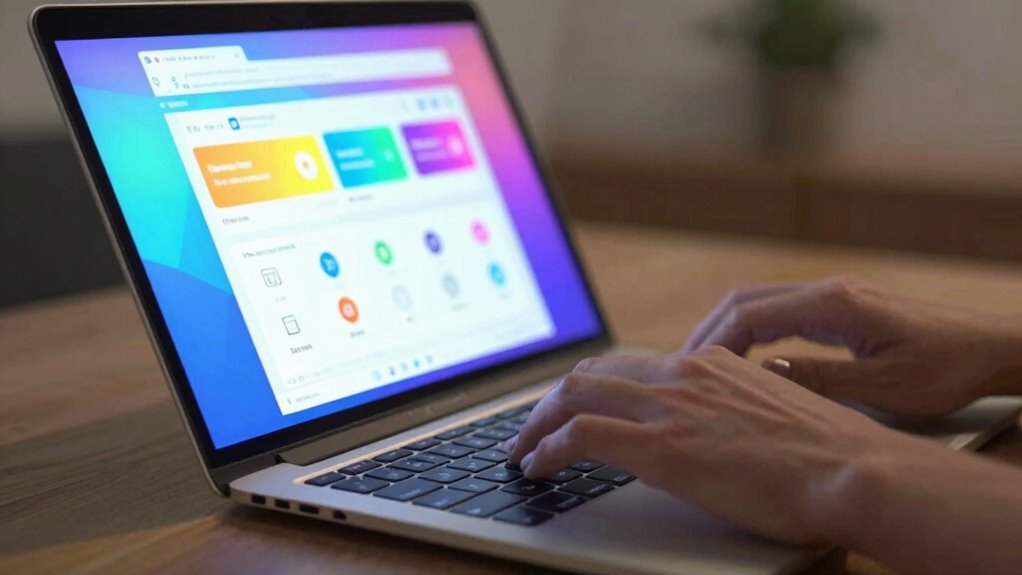

You rely more on browsers than operating systems because they now serve as your main access point to the internet, cloud services, and web-based apps. Cloud computing allows you to access your files and tools from any device without needing the latest OS updates or native software. As browsers support more complex tasks like editing documents or creating videos online, they become the central hub for your digital life. Keep exploring to see how this shift impacts your tech usage.
Listen free for 30 days with Audible
Thousands of audiobooks and originals — cancel anytime.
As an affiliate, we earn on qualifying purchases.
Key Takeaways
- Browsers serve as central gateways to the internet and cloud services, making them essential for accessing digital content.
- Cloud computing shifts reliance from OS-specific features to web-based applications managed through browsers.
- Mobile devices rely on browsers for seamless internet access, reducing dependence on operating systems.
- Modern browsers support complex web applications, replacing many traditional desktop and OS-dependent programs.
- The growing importance of cloud storage and web-based tools elevates browsers as primary digital interfaces.
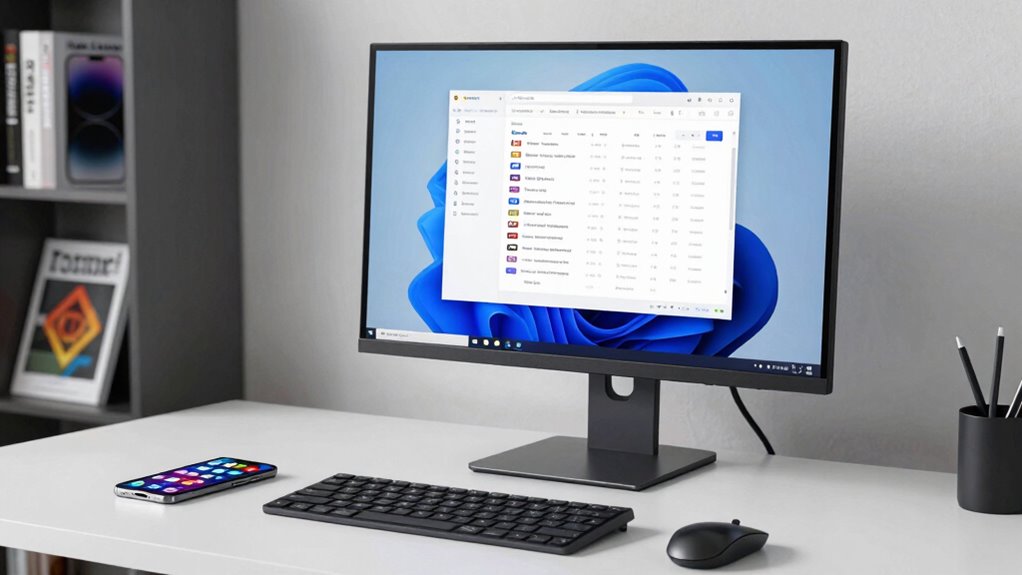
While browsers and operating systems serve different fundamental roles, they often intersect in ways that can be confusing for users. Your operating system manages the hardware and basic functions of your device, while your browser acts as a gateway to the internet. But in recent years, the importance of browsers has skyrocketed, often surpassing that of operating systems for many people. This shift is driven by the rise of cloud computing, which allows you to access files, applications, and services directly through your browser without needing powerful hardware or complex software installed locally. With cloud computing, your data is stored in the cloud, making it accessible from any device with an internet connection. This means you no longer need to worry about whether your operating system is the latest or most compatible—your browser becomes the central hub for your digital life.
Browsers now serve as central hubs for digital life, enabling access to files, apps, and services through the cloud.
Mobile accessibility further amplifies this trend. As smartphones and tablets become primary devices for internet use, your browser takes on an even more critical role. Operating systems like iOS and Android are essential, but it’s your browser that lets you seamlessly connect to web-based services, social media, streaming platforms, and productivity tools. Since most mobile apps are now web-based or heavily integrated with cloud services, your browser becomes a universal interface that simplifies access across devices. This shift means you don’t need to install dedicated applications for every service—just open your browser and log in. It’s a more streamlined, efficient way to stay connected, especially when on the go.
Furthermore, browsers have evolved to support a wide range of functionalities that once required operating system features. You can now run web applications that mimic desktop software, edit documents in the cloud, and even perform complex tasks like video editing or 3D modeling directly within the browser. This reduces your dependence on the operating system’s native capabilities and highlights how central browsers have become. Additionally, browsers offer automatic updates, security features, and compatibility improvements that keep your online experience safe and smooth without needing to worry about OS-level updates or configurations. As the role of cloud computing continues to expand, the importance of browsers is only expected to grow further. In fact, advancements in web-based technology are enabling more complex and resource-intensive tasks to be performed directly within browsers, further diminishing reliance on the operating system.
In essence, for many users, the browser is no longer just a tool for browsing the web—it’s the primary interface for digital life, enabled by cloud computing and mobile accessibility. These advancements mean you can work, communicate, and entertain yourself from any device, anywhere, with just a browser. As a result, the importance of browsers has grown far beyond traditional expectations, often eclipsing the role of the operating system in everyday use.
cloud-based document editing software
As an affiliate, we earn on qualifying purchases.
As an affiliate, we earn on qualifying purchases.
Frequently Asked Questions
How Do Browsers Impact Mobile Device Usage Compared to Operating Systems?
You find that browsers impact your mobile device usage more than operating systems because they enable seamless access to cloud computing services and app integration. With just a browser, you can work on documents, stream media, and connect to apps without relying heavily on the device’s native OS. This flexibility makes browsers essential for your daily tasks, often surpassing the importance of the operating system itself in delivering a smooth, integrated experience.
Can Browsers Replace Operating Systems Entirely in the Future?
It’s unlikely browsers will fully replace operating systems anytime soon. You’ll find that cloud computing and browser dominance continue to shape how you access apps and data, but operating systems still handle hardware, security, and complex tasks. Think of browsers as the front door to your digital world, while operating systems are the foundation. As technology advances, browsers may take on more roles, but they probably won’t completely replace OSes.
What Security Risks Are Associated With Relying Mainly on Browsers?
Relying mainly on browsers exposes you to security risks like browser vulnerabilities, which hackers can exploit to access your data or infect your device. Data privacy is also at stake, as browsers often track your activity and share information with third parties. To stay safe, keep your browser updated, use strong passwords, and consider privacy-focused extensions. Staying vigilant helps protect your personal information and reduces potential threats.
How Do Browsers Support Offline Functionality Without Operating System Features?
Think of your browser as a well-stocked pantry, keeping essentials for offline use. It supports offline functionality through cache management, storing web pages and data locally. When you lose internet, your browser serves these cached resources, allowing you to continue working seamlessly. Effective cache management guarantees you access updated content without needing OS-level features, making browsing reliable even without a constant internet connection.
Are Browsers More Customizable Than Traditional Operating Systems?
Yes, browsers are more customizable than traditional operating systems, mainly through browser extensions and a wide range of customization options. You can add extensions to enhance functionality, change themes, and personalize your browsing experience. Unlike operating systems, which offer limited customization primarily at the system level, browsers let you tailor your interface and features directly, giving you more control over how you interact with the web daily.
web browser for Windows Mac Linux
As an affiliate, we earn on qualifying purchases.
As an affiliate, we earn on qualifying purchases.
Conclusion
So, as browsers bust barriers and bring brilliant bits of business and pleasure to your fingertips, it’s clear they’ve become vital cogs in your digital world. Operating systems may oversee your device, but browsers bring the world to your window. Embrace this evolution, where web wonders win, and your work, play, and connections come alive. In this new normal, browsers aren’t just tools—they’re your gateway to a global grid.
As an affiliate, we earn on qualifying purchases.
As an affiliate, we earn on qualifying purchases.
NFL season / tailgating Picks
team gear
As an affiliate, we earn on qualifying purchases.