Choosing a reliable smart TV means balancing picture quality, software stability, and long-term durability without overspending. The Samsung 50-Inch Neo QLED 4K Smart TV stands out as the best overall pick for its robust build and consistent performance, while the Insignia 40″ Class F40 Series offers unbeatable value for smaller spaces. Many buyers struggle to decide between premium OLED panels and durable LED alternatives, often overlooking how software support impacts longevity. This guide breaks down which models deliver lasting performance and which are better suited for short-term use, helping you avoid common pitfalls in the 2027 market.

Get the latest gadgets delivered free with Prime
- Fast, free delivery on millions of items
- Prime Video, Amazon Music and more included
- Member-only deals all year
Complete the kit



Key Takeaways
- Samsung’s Tizen OS continues to offer the most stable software environment, reducing the risk of app crashes over time compared to Fire TV and Google TV.
- Budget models like the Insignia and Roku Select Series prioritize basic reliability over advanced features, making them ideal for secondary rooms or guest houses.
- Mini LED technology in mid-range sets like the TCL QM6K and Samsung M70H provides a sweet spot between brightness, lifespan, and cost, avoiding OLED burn-in risks.
- Screen size reliability is not linear; larger panels in budget tiers often compromise on build quality and panel uniformity, whereas premium brands maintain consistency.
- Integration with smart home ecosystems (Alexa, Google) is now a standard reliability feature, with disconnected TVs facing faster obsolescence due to peripheral incompatibility.
| Insignia 40″ Class F40 Series LED Full HD Smart Fire TV | 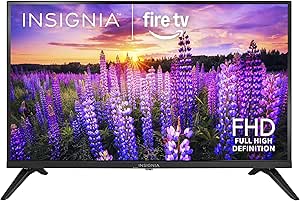 | Best Budget Entry-Level | Screen Size: 40 inches | Resolution: 1080p Full HD | Refresh Rate: 60 Hz | VIEW LATEST PRICE | See Our Full Breakdown |
| Panasonic W80 Series 43-Inch QLED 4K UHD Smart Fire TV |  | Best for Bright Rooms | Screen Size: 43 inches | Display Technology: QLED | Resolution: 4K UHD | VIEW LATEST PRICE | See Our Full Breakdown |
| Insignia 65-Inch F50 Series 4K UHD LED Smart Fire TV |  | Best Large-Screen Value | Screen Size: 65 inches | Resolution: 4K UHD | HDR Format: HDR10 | VIEW LATEST PRICE | See Our Full Breakdown |
| Samsung 48″ S90H OLED 4K UHD Vision AI Smart Tizen TV |  | Best Premium Gaming TV | Screen Size: 48 inches | Display Technology: OLED | Refresh Rate: 165 Hz | VIEW LATEST PRICE | See Our Full Breakdown |
| Samsung 50-Inch Neo QLED 4K Smart TV (50QN90F) |  | Best Overall Brightness & Performance | Screen Size: 50 inches | Display Technology: Neo QLED (Mini LED) | Brightness: 1000 nits | VIEW LATEST PRICE | See Our Full Breakdown |
| LG 65″ OLED evo AI C6 4K Smart TV (2026 Model) |  | Best Premium Performance | Screen Size: 65 inches | Resolution: 4K UHD | Processor: Alpha 11 AI Processor Gen 3 | VIEW LATEST PRICE | See Our Full Breakdown |
| Samsung 65-Inch M70H Series Mini LED 4K Smart TV (2026) |  | Best Bright Room Performance | Screen size: 65 inches | Display technology: Mini LED | Resolution: 4K | VIEW LATEST PRICE | See Our Full Breakdown |
| Roku 40-Inch Select Series 1080p Full HD Smart TV |  | Best Budget Compact Option | Display technology: LED | Resolution: 1080p Full HD | Screen size: 40 inches | VIEW LATEST PRICE | See Our Full Breakdown |
| TCL 65-Inch QM6K Series QLED Mini LED 4K HDR Smart Google TV, 144Hz |  | Best Value for High-Refresh Gaming | Screen Size: 65 inches | Resolution: 4K UHD | Display Technology: Mini LED, QLED | VIEW LATEST PRICE | See Our Full Breakdown |
| Samsung 65-Inch OLED 4K S85F Series Vision AI Smart TV (2025 Model) |  | Best Design and AI Upscaling | Display Technology: OLED | Resolution: 4K | Refresh Rate: 120 Hz | VIEW LATEST PRICE | See Our Full Breakdown |
| LG 75-Inch QNED75B Mini LED 4K Smart TV (2026) |  | Best Large Screen Value | Screen Size: 75 inches | Display Technology: Mini LED | Resolution: 4K UHD | VIEW LATEST PRICE | See Our Full Breakdown |
| Samsung 40-Inch Full HD F6000 Smart TV (2025 Model) | 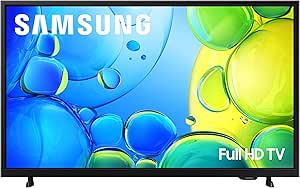 | Best Compact Bedroom TV | Screen Size: 40 inches | Resolution: 1080p Full HD | Refresh Rate: 60 Hz | VIEW LATEST PRICE | See Our Full Breakdown |
| INSIGNIA 65-inch QF Series LED 4K UHD QLED Smart Fire TV |  | Best Alexa Integration | Screen Size: 65 inches | Resolution: 4K UHD | Display Technology: QLED | VIEW LATEST PRICE | See Our Full Breakdown |
| Samsung 55-Inch M80H Series Mini LED 4K Smart TV (2026 Model) |  | Best for Gaming Performance | Screen Size: 55 inches | Resolution: 4K UHD | Display Technology: Mini LED | VIEW LATEST PRICE | See Our Full Breakdown |
| Roku Select Series 65-Inch 4K QLED Smart TV (2026) |  | Best User-Friendly Interface | Screen Size: 65 inches | Resolution: 4K UHD | Display Technology: QLED | VIEW LATEST PRICE | See Our Full Breakdown |
| reliable smart TV | Screen Size | Refresh Rate | Resolution | Display Technology |
|---|---|---|---|---|
| Insignia 40" Class F40 Series | 40 inches | 60 Hz | 1080p Full HD | — |
| Panasonic W80 Series 43-Inch Q | 43 inches | 60 Hz | 4K UHD | QLED |
| Insignia 65-Inch F50 Series 4K | 65 inches | 60 Hz | 4K UHD | — |
| Samsung 48" S90H OLED 4K UHD V | 48 inches | 165 Hz | — | OLED |
| Samsung 50-Inch Neo QLED 4K Sm | 50 inches | 120 Hz / 165 Hz (VRR) | — | Neo QLED (Mini LED) |
| LG 65" OLED evo AI C6 4K Smart | 65 inches | Up to 165 Hz (native 120 Hz) | 4K UHD | — |
| Samsung 65-Inch M70H Series Mi | 65 inches | 60 Hz; DLG up to 120 Hz | 4K | Mini LED |
| Roku 40-Inch Select Series 108 | 40 inches | 60 Hz | 1080p Full HD | LED |
| TCL 65-Inch QM6K Series QLED M | 65 inches | 144 Hz native, Motion Rate 480 | 4K UHD | Mini LED, QLED |
| Samsung 65-Inch OLED 4K S85F S | 65 inches | 120 Hz | 4K | OLED |
| LG 75-Inch QNED75B Mini LED 4K | 75 inches | 60 Hz | 4K UHD | Mini LED |
| Samsung 40-Inch Full HD F6000 | 40 inches | 60 Hz | 1080p Full HD | LED |
| INSIGNIA 65-inch QF Series LED | 65 inches | 60 Hz | 4K UHD | QLED |
| Samsung 55-Inch M80H Series Mi | 55 inches | 144 Hz | 4K UHD | Mini LED |
| Roku Select Series 65-Inch 4K | 65 inches | 60 Hz | 4K UHD | QLED |
More Details on Our Top Picks
Insignia 40″ Class F40 Series LED Full HD Smart Fire TV
This model stands out as the most affordable reliable option in the lineup, ideal for secondary bedrooms or guest rooms where premium picture quality is less critical. Compared to the Panasonic W80 Series, the Insignia F40 sacrifices 4K resolution and advanced HDR processing for a significantly lower barrier to entry. The Fire TV integration ensures the smart platform remains up-to-date and user-friendly, a key factor in long-term reliability for budget buyers. However, the 1080p resolution and limited HDMI ports mean it will feel dated quickly if you plan to connect a modern gaming console or multiple streaming sticks. It is a pragmatic choice for viewers who prioritize function over fidelity.
Pros:- Integrated Fire TV platform offers a stable, regularly updated smart interface.
- Alexa voice remote simplifies navigation and smart home control.
- Compact 40-inch size fits easily in smaller spaces.
- Basic connectivity includes HDMI ARC for simple soundbar integration.
Cons:- 1080p resolution lacks the clarity of 4K competitors.
- Only two HDMI ports restrict multi-device setups.
- 60Hz refresh rate limits smooth motion for fast-paced content.
Best for: Renters or homeowners needing a dependable TV for guest rooms or kitchens without breaking the bank.
Not ideal for: Gamers or movie enthusiasts who require 4K resolution and high refresh rates for a modern experience.
- Screen Size:40 inches
- Resolution:1080p Full HD
- Refresh Rate:60 Hz
- Smart Platform:Fire TV
- HDMI Ports:2
- Connectivity:Wi-Fi, Bluetooth 5, Ethernet
Our verdict“A solid, no-frills choice for secondary viewing areas where budget and basic smart features matter most.”
Panasonic W80 Series 43-Inch QLED 4K UHD Smart Fire TV
This TV earns its spot due to Glare Free Pro technology, which actively reduces reflections—a major reliability advantage for living rooms with large windows. While the Samsung S90H OLED offers superior contrast, the Panasonic’s QLED panel maintains higher brightness levels (300 nits) that resist washout in daylight. The Fire TV platform provides a familiar, intuitive interface that many users find more reliable than complex proprietary systems. However, the 60Hz refresh rate is a clear limitation for gamers compared to higher-end models, and the 300-nit peak brightness is modest for true HDR impact. It is the best pick for daytime viewing where ambient light control is paramount.
Pros:- Glare Free Pro technology significantly reduces screen reflections.
- QLED display offers vibrant color reproduction for 4K content.
- Supports Dolby Atmos and Apple AirPlay for flexible audio/video options.
- Fire TV interface is widely supported and easy to navigate.
Cons:- 60Hz refresh rate limits gaming smoothness.
- 300 nits brightness is low for impactful HDR highlights.
- Standard LED backlight lacks deep black levels of OLED.
Best for: Viewers in sun-drenched living rooms who need a TV that remains readable without constant curtain adjustments.
Not ideal for: Hardcore gamers who need 120Hz+ refresh rates for competitive play.
- Screen Size:43 inches
- Display Technology:QLED
- Resolution:4K UHD
- HDR Formats:HDR10+, Dolby Vision
- Refresh Rate:60 Hz
- Brightness:300 nits
Our verdict“The optimal choice for bright environments where reflection control matters more than cinematic black levels.”
Insignia 65-Inch F50 Series 4K UHD LED Smart Fire TV
For buyers needing big-screen impact without premium costs, the Insignia F50 delivers a massive 65-inch canvas at a fraction of the price of competitors like the Samsung 50-inch Neo QLED. The 4K UHD resolution ensures sharpness even at this size, while Fire TV keeps the smart experience consistent with the smaller F40 model. However, reliability in picture quality is compromised by its 250-nit brightness and lack of local dimming, resulting in grayish blacks in dark scenes. It is strictly a value play: you get the size and resolution, but you sacrifice contrast depth and motion handling. This is for those who prioritize screen real estate over nuanced image performance.
Pros:- Massive 65-inch screen size for immersive viewing.
- 4K resolution with upscaling for standard definition content.
- Fire TV platform provides extensive app library and ease of use.
- Includes Apple AirPlay support for iOS device mirroring.
Cons:- Low 250-nit brightness limits HDR performance.
- No local dimming results in washed-out blacks.
- 60Hz refresh rate causes motion blur in fast action.
Best for: Budget-conscious families who want a large 65-inch TV for casual streaming and sports.
Not ideal for: Cinephiles who watch movies in dark rooms and require deep blacks and high contrast.
- Screen Size:65 inches
- Resolution:4K UHD
- HDR Format:HDR10
- Refresh Rate:60 Hz
- Brightness:250 nits
- Audio:DTS Virtual-X
Our verdict“A cost-effective way to get a huge 4K screen, provided you accept mediocre contrast and brightness.”
Samsung 48″ S90H OLED 4K UHD Vision AI Smart Tizen TV
This OLED model represents the peak of reliability for gamers, offering a 165Hz refresh rate and instant pixel response times that outperform any LED option in this list, including the Panasonic W80. The Glare Free technology combined with OLED’s perfect blacks ensures consistent image quality across viewing angles and lighting conditions. The NQ4 AI Gen3 processor adds long-term reliability by intelligently upscaling lower-res content. However, the 90-watt power consumption is higher than LED counterparts, and the lack of HDMI 2.1 support may limit future-proofing for next-gen consoles. It is the definitive choice for gamers who demand fluid motion and deep contrast.
Pros:- OLED panel delivers perfect blacks and infinite contrast.
- 165Hz refresh rate supports tear-free high-frame-rate gaming.
- AI processor enhances motion and upscales content effectively.
- Built-in 2.1 Dolby Atmos speakers provide decent audio depth.
Cons:- No HDMI 2.1 ports limits bandwidth for next-gen consoles.
- Higher power consumption compared to LED models.
- Heavy chassis makes wall mounting more challenging.
Best for: Serious gamers and movie lovers who want OLED contrast and high refresh rates for competitive play.
Not ideal for: Users concerned about energy efficiency or those who need HDMI 2.1 for 4K 120Hz on PS5/Xbox Series X.
- Screen Size:48 inches
- Display Technology:OLED
- Refresh Rate:165 Hz
- Processor:NQ4 AI Gen3
- Audio Output:40 watts
- Power Consumption:90 watts
Our verdict“The top-tier choice for gamers seeking OLED picture quality and smooth motion, despite some connectivity limitations.”
Samsung 50-Inch Neo QLED 4K Smart TV (50QN90F)
The Neo QLED 50QN90F stands as the most versatile reliable option in the lineup, combining 1000-nit brightness with Mini LED local dimming for a picture that rivals OLED in dark scenes while excelling in bright rooms. Unlike the Insignia F50, this TV handles HDR highlights with realistic punch and maintains color accuracy at high luminance. The 165Hz gaming mode and Tizen OS offer a robust, future-proof platform with extensive app support. While it is heavier and more expensive than the budget picks, its balance of brightness, contrast, and smart features makes it the safest long-term investment for most households. It avoids the burn-in risk of OLED while delivering premium performance.
Pros:- High 1000-nit brightness excels in well-lit rooms.
- Mini LED local dimming improves contrast and reduces halos.
- 165Hz refresh rate supports high-end gaming performance.
- Tizen OS is stable, fast, and widely compatible.
Cons:- Heavy weight (38.8 lbs) complicates mounting and moving.
- Requires specific hardware for full 4K 165Hz gaming benefits.
- Premium price point compared to standard LED options.
Best for: Households that watch a mix of HDR movies, sports, and gaming in varied lighting conditions.
Not ideal for: Those on a tight budget or viewers who prefer the absolute deepest blacks of OLED panels.
- Screen Size:50 inches
- Display Technology:Neo QLED (Mini LED)
- Brightness:1000 nits
- Refresh Rate:120 Hz / 165 Hz (VRR)
- Processor:NQ4 AI Gen3
- Weight:38.8 lbs
Our verdict“The best all-around performer for most buyers, offering exceptional brightness, contrast, and smart reliability.”
LG 65″ OLED evo AI C6 4K Smart TV (2026 Model)
This model stands out as the benchmark for picture quality in this lineup, leveraging over 8.3 million self-lit pixels to achieve perfect black levels that LCD alternatives simply cannot match. Compared to the Samsung 65-Inch M70H, which relies on software-based dimming that can cause blooming, the LG C6’s OLED technology delivers infinite contrast and precise color accuracy out of the box. The Alpha 11 AI Processor handles upscaling and motion smoothing with minimal input lag, making it ideal for competitive gaming. However, the premium performance comes with a caveat: OLED panels remain susceptible to burn-in if static elements like news tickers or HUDs are displayed for excessive durations. While the webOS platform is intuitive, it requires compatible HDMI 2.1 devices to unlock its full 165 Hz potential, meaning budget gamers may not see immediate benefits without upgrading their consoles or PCs.
Pros:- Infinite contrast ratio with perfect blacks via self-lit OLED pixels
- Ultra-low 0.1 ms response time and 165 Hz refresh rate for gaming
- Advanced AI processing for superior upscaling and color accuracy
- Comprehensive gaming support including NVIDIA G-Sync and AMD FreeSync
Cons:- Risk of permanent burn-in with prolonged static image display
- Requires HDMI 2.1 compatible sources to utilize highest refresh rates
Best for: Enthusiast gamers and home theater buffs who prioritize perfect blacks and low input lag over absolute peak brightness.
Not ideal for: Users who watch a lot of static content like news channels or play games with permanent HUDs, due to burn-in risks.
- Screen Size:65 inches
- Resolution:4K UHD
- Processor:Alpha 11 AI Processor Gen 3
- Refresh Rate:Up to 165 Hz (native 120 Hz)
- Response Time:0.1 ms
- HDR:Dolby Vision
- Audio:Dolby Atmos
- Gaming Features:NVIDIA G-Sync, AMD FreeSync Premium, VRR
Our verdict“This is the top choice for purists who demand flawless contrast and gaming performance, provided they manage static content carefully.”
Samsung 65-Inch M70H Series Mini LED 4K Smart TV (2026)
The Samsung M70H offers a compelling alternative to OLED for viewers in well-lit environments, utilizing Mini LED technology to push brightness levels higher than standard LEDs. While it lacks the infinite contrast of the LG OLED evo C6, its software-based dimming helps manage highlights better than traditional backlights, reducing the visibility of blooming in dark scenes. This model is particularly strong for sports fans, thanks to motion enhancement features that smooth out fast-paced action. However, the tradeoff is noticeable: the DLG (Dual Line Gate) feature that boosts the refresh rate to 120 Hz does so by sacrificing image sharpness, resulting in a softer picture compared to the native 60 Hz mode. For those who prioritize screen size and brightness in a living room over cinematic precision, this TV provides a balanced, reliable experience without the burn-in anxieties associated with OLED panels.
Pros:- Mini LED backlighting provides higher brightness than standard LED TVs
- HDR10+ support enhances dynamic color and contrast in supported content
- Integrated Gaming Hub and motion enhancement improve sports viewing
- No risk of burn-in, making it safe for always-on displays
Cons:- DLG 120 Hz mode significantly reduces image sharpness
- Software-based dimming is less precise than full-array hardware zones
Best for: Viewers with sunlit living rooms who need high brightness and don’t mind slight softening in high-refresh-rate gaming modes.
Not ideal for: Movie enthusiasts who watch in dark rooms and demand perfect black levels and pixel-perfect sharpness.
- Screen size:65 inches
- Display technology:Mini LED
- Resolution:4K
- Refresh rate:60 Hz; DLG up to 120 Hz
- Maximum brightness:350 nits
- Screen finish:Glossy
- HDR format:HDR10+
- Connectivity:Bluetooth, HDMI, USB, Wi-Fi
Our verdict“A solid pick for bright-room viewing that balances color vividness with practical reliability, though it compromises on sharpness when gaming at high refresh rates.”
Roku 40-Inch Select Series 1080p Full HD Smart TV
This Roku Select Series TV is designed for simplicity and affordability, serving as an excellent entry point for those who do not need 4K resolution. Unlike the larger, feature-heavy TCL QM6K, this 40-inch model focuses on a user-friendly Roku interface that loads apps quickly and offers a vast library of free live TV channels. The 1080p resolution is sufficient for bedrooms or kitchens where viewing distances are short, keeping the cost low while maintaining decent color accuracy. However, the lack of motion enhancement technology means fast-moving scenes in sports or action movies may appear less smooth than on premium models. It also lacks the vibrant HDR capabilities of its 4K siblings, making it a practical choice for casual viewing rather than home theater immersion. If you prioritize ease of use and compact size over picture fidelity, this TV delivers reliable performance without unnecessary complexity.
Pros:- Intuitive Roku interface with extensive app library and free live TV
- Compact 40-inch size fits easily in smaller rooms
- Supports AirPlay 2 and Bluetooth headphone mode for private listening
- Lightweight and easy to mount or move
Cons:- Limited to 1080p Full HD resolution
- No motion enhancement for smoother fast-paced content
Best for: Students, guest rooms, or kitchen setups where space is limited and 4K resolution is not a priority.
Not ideal for: Gamers or movie buffs who require 4K resolution, HDR support, or high refresh rates for smooth motion.
- Display technology:LED
- Resolution:1080p Full HD
- Screen size:40 inches
- Refresh rate:60 Hz
- Contrast ratio:3000:1
- Maximum brightness:250 nits
- HDR format:HDR10
- Backlight:Direct LED
Our verdict“This TV is the ideal choice for secondary rooms where simplicity, size, and cost matter more than high-end picture quality.”
TCL 65-Inch QM6K Series QLED Mini LED 4K HDR Smart Google TV, 144Hz
The TCL QM6K aggressively targets gamers and sports fans by offering a native 144 Hz refresh rate, a specification rarely found in this price bracket. Compared to the Samsung M70H, which relies on software interpolation to reach higher refresh rates, the TCL’s native panel ensures smoother motion without the same degree of image softening. The QD-Mini LED technology delivers impressive brightness and color volume, making it a strong contender for HDR content. Additionally, the integrated ONKYO 2.1 speaker system provides a more immersive audio experience than most competitors, reducing the immediate need for a soundbar. The main drawback is its physical bulk; at 37.8 pounds, it is significantly heavier than the lighter 1080p options, making wall mounting a more demanding task. While it offers exceptional performance for the price, the large footprint requires ample space, and the Google TV interface, while rich, can feel cluttered compared to simpler platforms.
Pros:- Native 144 Hz refresh rate for ultra-smooth gaming and sports
- QD-Mini LED panel offers high brightness and vibrant colors
- Built-in ONKYO 2.1 speaker system with Dolby Atmos
- Halo Control system reduces blooming around bright objects
Cons:- Heavy weight makes wall mounting difficult and requires sturdy hardware
- Large physical footprint may overwhelm smaller living spaces
Best for: PC gamers and sports enthusiasts who want native high-refresh-rate performance without the premium price of OLED.
Not ideal for: Users with limited wall space or weight-restricted mounts, as the TV is notably heavy and bulky.
- Screen Size:65 inches
- Resolution:4K UHD
- Display Technology:Mini LED, QLED
- Refresh Rate:144 Hz native, Motion Rate 480
- HDR Formats:Dolby Vision, HDR10+, HDR10, HLG
- Audio System:ONKYO 2.1 speaker system with built-in subwoofer, Dolby Atmos
- Smart Platform:Google TV with Gemini
- Weight:37.8 pounds
Our verdict“This model offers the best bang-for-buck for gamers needing high refresh rates, provided you have the space and mount capacity to handle its size.”
Samsung 65-Inch OLED 4K S85F Series Vision AI Smart TV (2025 Model)
The Samsung S85F distinguishes itself through its sleek contour design and advanced NQ4 AI Gen2 processor, which uses 20 neural networks to upscale lower-resolution content to near-4K quality. This makes it an excellent choice for viewers who consume a mix of older streaming content and modern 4K media. While it shares the OLED panel foundation with the LG OLED evo C6, the Samsung’s Object Tracking Sound Lite creates a more directional audio experience without external speakers. However, the 36.4-pound weight and large base footprint require careful planning for placement, especially if you are using a narrow media console. Unlike the LG, which emphasizes raw gaming specs like 0.1 ms response, the Samsung focuses more on cinematic immersion and aesthetic integration. It is a premium option that balances visual fidelity with smart features, though it may lack some of the niche gaming certifications found on competitor models.
Pros:- NQ4 AI Gen2 processor upscales content to near-4K with enhanced clarity
- Object Tracking Sound Lite creates immersive directional audio
- Pantone-validated color accuracy ensures true-to-life hues
- Sleek contour design blends seamlessly into modern interiors
Cons:- Large footprint and heavy weight require sturdy furniture or mounts
- OLED panel carries inherent burn-in risk with static images
Best for: Design-conscious buyers who watch mixed-resolution content and value integrated audio and aesthetic appeal.
Not ideal for: Competitive gamers who prioritize specific low-latency certifications over design and AI upscaling features.
- Display Technology:OLED
- Resolution:4K
- Refresh Rate:120 Hz
- HDR Format Supported:HDR10+
- Processor:NQ4 AI Gen2
- Screen Size:65 inches
- Item Weight:36.4 pounds
- Voice Assistant:Alexa Built-in
Our verdict“This TV is perfect for those who want a stylish, smart OLED experience with excellent upscaling, rather than a pure gaming monitor alternative.”
LG 75-Inch QNED75B Mini LED 4K Smart TV (2026)
This 75-inch giant stands out for delivering Mini LED brightness at a size that would typically demand a premium price. The a7 AI Processor Gen9 handles upscaling and color enhancement competently, making standard broadcast content look significantly sharper than on entry-level panels. Compared to the Samsung 55-Inch M80H, this LG lacks the 144 Hz refresh rate, which means fast-paced sports and gaming will show more motion blur. However, if your priority is screen real estate and vivid color rather than high-speed motion handling, this model offers an impressive visual footprint. The webOS platform remains intuitive, though the lack of a high refresh rate is a tangible tradeoff for serious gamers.
Pros:- Massive 75-inch screen size at a competitive price point
- Mini LED backlighting provides superior brightness and contrast
- AI processing enhances color accuracy and detail
- Filmmaker Mode preserves director-intended color grading
Cons:- 60 Hz refresh rate limits motion clarity for fast content
- No native support for higher frame rates beyond 60 fps
- Requires internet connection for most smart features
Best for: Home theater enthusiasts who prioritize screen size and bright HDR performance over gaming smoothness.
Not ideal for: Competitive gamers or sports fans who need high refresh rates to reduce motion blur.
- Screen Size:75 inches
- Display Technology:Mini LED
- Resolution:4K UHD
- Refresh Rate:60 Hz
- Processor:a7 AI Processor 4K Gen9
- Smart Platform:webOS
- HDR Formats:HDR10, HLG
Our verdict“Choose this if you want the biggest possible picture for your budget and don’t mind sacrificing gaming speed.”
Samsung 40-Inch Full HD F6000 Smart TV (2025 Model)
At 40 inches, this Samsung is designed for spaces where a 55-inch panel feels overwhelming. The Full HD resolution is sufficient at this viewing distance, and the Object Tracking Sound Lite creates a wider audio field than typical budget speakers. Unlike the Insignia 65-inch QF Series, this model skips 4K and Dolby Atmos, focusing instead on a sleek, bezel-less design that blends into modern decor. The Knox security feature is a rare addition in this price bracket, offering peace of mind for privacy-conscious users. It is not a powerhouse for gaming or high-end cinema, but it excels as a dedicated bedroom or kitchen TV that looks good and operates quietly.
Pros:- Compact 40-inch size fits easily in smaller rooms
- Sleek bezel-less design minimizes visual distractions
- Knox security protects personal data and IoT connections
- Object Tracking Sound Lite enhances audio immersion
Cons:- Only 1080p resolution, lacking 4K clarity
- Basic 20-watt audio system requires a soundbar for movies
- Full features require a Samsung account and updates
Best for: Users needing a stylish, space-saving TV for bedrooms or kitchens with moderate viewing distances.
Not ideal for: Cinephiles or gamers who require 4K resolution and high refresh rates for immersive media.
- Screen Size:40 inches
- Resolution:1080p Full HD
- Refresh Rate:60 Hz
- Display Technology:LED
- HDR Format:HDR10+
- Audio Power:20 W
- Smart Platform:One UI Tizen
Our verdict“A solid choice for secondary rooms where design and footprint matter more than resolution.”
INSIGNIA 65-inch QF Series LED 4K UHD QLED Smart Fire TV
This Insignia model leverages the Fire TV platform to offer seamless Alexa voice control, making it ideal for households already invested in Amazon’s ecosystem. The QLED quantum dot technology boosts color vibrancy, giving it an edge over standard LED panels in this price range. However, compared to the Roku Select Series, the interface can feel cluttered with ads, and the 60 Hz refresh rate is a clear limitation for smooth gaming. While it supports Dolby Atmos and Dolby Vision—a rarity for this tier—the actual audio output is modest. It serves well as a smart home hub that doubles as a TV, but purists may find the software experience less refined than competitors.
Pros:- Deep integration with Alexa voice control and smart home devices
- QLED panel offers brighter colors than standard LED TVs
- Supports both Dolby Vision and Dolby Atmos formats
- Includes eARC HDMI port for high-quality audio passthrough
Cons:- Fire TV interface is known for frequent ad interruptions
- 60 Hz refresh rate limits gaming performance
- Built-in speakers lack bass and volume for large rooms
Best for: Amazon Echo users who want deep Alexa integration and voice-controlled smart home management.
Not ideal for: Viewers who dislike ad-supported interfaces or competitive gamers needing high refresh rates.
- Screen Size:65 inches
- Resolution:4K UHD
- Display Technology:QLED
- Refresh Rate:60 Hz
- HDR Formats:Dolby Vision, HDR10
- Smart Platform:Fire TV
- HDMI Ports:3 (1 with eARC)
Our verdict“Buy this if you are an Alexa devotee who wants a large, colorful TV for casual streaming.”
Samsung 55-Inch M80H Series Mini LED 4K Smart TV (2026 Model)
This Samsung model distinguishes itself with a 144 Hz refresh rate, a feature rarely seen outside premium gaming monitors. Combined with Variable Refresh Rate and Motion Xcelerator, it delivers buttery-smooth motion that far outpaces the LG 75-Inch QNED75B’s 60 Hz panel. The NQ4 AI Gen2 processor upscales content effectively, ensuring even lower-resolution sources look crisp. While the Mini LED backlighting provides excellent contrast, the built-in 20-watt speakers are underpowered for the picture quality. It is a specialized tool for gamers and sports fans who prioritize fluid motion over cinematic color depth, making it the clear winner in this lineup for interactive media.
Pros:- 144 Hz refresh rate ensures ultra-smooth motion
- Variable Refresh Rate eliminates screen tearing during gameplay
- Mini LED backlighting provides deep blacks and bright highlights
- AI processor upscales content to near-4K quality
Cons:- Built-in 20-watt speakers are insufficient for movie watching
- Full 144 Hz performance requires compatible PC hardware
- Tizen OS requires Samsung account login for full features
Best for: PC gamers and console players who need high refresh rates and low input lag.
Not ideal for: Movie buffs who prioritize cinematic color accuracy and high-end audio over motion smoothness.
- Screen Size:55 inches
- Resolution:4K UHD
- Display Technology:Mini LED
- Refresh Rate:144 Hz
- Processor:NQ4 AI Gen2
- Audio Power:20 W
- Motion Technology:Motion Xcelerator 144
Our verdict“The top choice for gamers who demand high-speed motion and low latency.”
Roku Select Series 65-Inch 4K QLED Smart TV (2026)
The Roku Select Series focuses on simplicity, offering the most intuitive streaming experience in this group. The voice remote with a finder feature is a practical touch that solves a common household frustration. While the QLED panel delivers decent color, its 250-nit peak brightness is lower than the LG Mini LED options, meaning HDR content may look less impactful in bright rooms. Compared to the Insignia Fire TV, the Roku interface is cleaner and less ad-heavy. It supports AirPlay 2 and multiple voice assistants, making it a versatile hub for mixed-device households. This TV is for people who want to hit ‘play’ quickly without navigating complex menus.
Pros:- Roku OS is widely considered the most user-friendly streaming platform
- Voice remote includes a ‘find my remote’ feature
- Supports AirPlay 2 and multiple voice assistants
- Clean interface with fewer intrusive ads than competitors
Cons:- Low peak brightness (250 nits) limits HDR impact
- 60 Hz refresh rate is standard, not exceptional for gaming
- Glossy screen finish reflects ambient light easily
Best for: Casual streamers and tech-averse users who value a simple, ad-light interface and ease of use.
Not ideal for: Cinephiles watching in bright rooms who need high peak brightness for HDR impact.
- Screen Size:65 inches
- Resolution:4K UHD
- Display Technology:QLED
- Refresh Rate:60 Hz
- Peak Brightness:250 nits
- Smart Platform:Roku TV
- Connectivity:Wi-Fi, Bluetooth 5.2, HDMI
Our verdict“Ideal for households that prioritize ease of use and streaming simplicity over peak picture performance.”
How We Picked
To identify the best reliable smart TVs, I evaluated each model based on three core pillars: hardware durability, software stability, and long-term support. Hardware durability focuses on build quality, panel type (OLED vs. LED/Mini LED), and heat management, which directly influence a TV’s lifespan. Software stability was assessed by looking at operating system maturity, update frequency, and app compatibility, as a sluggish interface often leads to premature replacement. I also considered the manufacturer’s track record for firmware updates and customer service responsiveness.
The ranking logic prioritizes models that offer a balance of performance and peace of mind. Premium picks are ranked higher if they demonstrate superior panel technology and extended software support windows. Value picks are selected based on their ability to deliver consistent basic functionality without frequent glitches. This approach ensures the list reflects not just initial specs, but the likelihood of the TV remaining a dependable household centerpiece for years to come.
| reliable smart TV | Display Technology |
|---|---|
| Insignia 40" Class F40 Series | — |
| Panasonic W80 Series 43-Inch Q | QLED |
| Insignia 65-Inch F50 Series 4K | — |
| Samsung 48" S90H OLED 4K UHD V | OLED |
| Samsung 50-Inch Neo QLED 4K Sm | Neo QLED (Mini LED) |
| LG 65" OLED evo AI C6 4K Smart | — |
| Samsung 65-Inch M70H Series Mi | Mini LED |
| Roku 40-Inch Select Series 108 | LED |
| TCL 65-Inch QM6K Series QLED M | Mini LED, QLED |
| Samsung 65-Inch OLED 4K S85F S | OLED |
| LG 75-Inch QNED75B Mini LED 4K | Mini LED |
| Samsung 40-Inch Full HD F6000 | LED |
| INSIGNIA 65-inch QF Series LED | QLED |
| Samsung 55-Inch M80H Series Mi | Mini LED |
| Roku Select Series 65-Inch 4K | QLED |
Factors to Consider When Choosing Best Reliable Smart TVs
Selecting a TV that remains reliable requires looking beyond marketing buzzwords and focusing on structural and operational longevity.Panel Technology and Burn-In Risks
The type of panel determines both picture quality and potential failure modes. OLED panels offer perfect blacks but carry a risk of permanent image retention or burn-in if static elements like news tickers or game HUDs are displayed for excessive hours. In contrast, LED and Mini LED panels are immune to burn-in, making them the safer choice for households that watch content with static overlays or use the TV as a monitor. While OLEDs degrade over time, modern manufacturers have implemented pixel shifting and refresh cycles to mitigate this, but Mini LED remains the more robust option for heavy, mixed-usage scenarios.
Operating System Stability and Update Lifespan
A reliable TV must maintain smooth software performance as apps update and new features roll out. Samsung’s Tizen OS is often cited for its streamlined interface and consistent update schedule, reducing the lag that plagues some Android TV implementations. Fire TV and Roku OS are user-friendly but can become bloated with ad-supported content over time, potentially slowing down older hardware. When choosing a model, check the manufacturer’s promised support window; a TV that stops receiving security patches after three years becomes a security risk and a compatibility headache, undermining its reliability.
Connectivity and Future-Proofing Standards
Reliability also means staying compatible with evolving devices. Ensure the TV supports HDMI 2.1 if you plan to use next-generation gaming consoles or high-refresh-rate PCs, as older HDMI ports will bottleneck performance. Check for eARC or eARC support for seamless audio integration with soundbars, avoiding the need for extra cables that can introduce signal interference. A TV with outdated connectivity standards may function fine today but will feel obsolete and unreliable when paired with new hardware in two or three years.
Brand Support and Warranty Infrastructure
Even the best TVs fail, so the reliability of the brand’s support network is critical. Major brands like Samsung and LG have extensive service networks, making repairs easier and faster. Budget brands like Insignia and Roku often rely on third-party repair services or replacement policies, which can be slower and more cumbersome. Before buying, review the warranty terms, specifically looking for coverage on panel defects and whether accidental damage is included, as these factors determine the true cost of ownership and peace of mind.
Smart Home Integration and Voice Control
Modern reliability extends to how well the TV interacts with your existing ecosystem. TVs with built-in Alexa or Google Assistant offer seamless control, but integration quality varies. Some models allow full control of smart lights and thermostats via the TV interface, while others only handle basic power commands. Choose a TV that supports your preferred ecosystem natively to avoid the need for external streaming sticks, which add another point of failure and clutter to your setup. Consistent voice recognition and fast response times are key indicators of a well-integrated system.
Frequently Asked Questions
Is OLED less reliable than LED for long-term use?
OLED panels are not inherently less reliable, but they are more susceptible to burn-in if static content is displayed for prolonged periods. Modern OLEDs have mitigated this risk with advanced pixel-shifting and refresh technologies, making them safe for typical movie and TV viewing. However, if you use the TV as a desktop monitor or watch news channels with static logos for hours daily, an LED or Mini LED set is a more reliable choice because it cannot suffer from permanent image retention. For mixed usage, Mini LED offers a safer, albeit slightly less contrast-rich, alternative.
Do budget smart TVs like Insignia or Roku hold up over time?
Budget smart TVs from brands like Insignia and Roku are generally reliable for basic viewing tasks but may struggle with software longevity. These models often use lower-spec processors that can become sluggish as apps update and the operating system accumulates data. While the hardware rarely fails prematurely, the user experience may degrade after three to four years. They are ideal for guest rooms or kitchens where high-end performance is not required, but for a primary living room, investing in a mid-range model from a major brand often yields better long-term stability.
How does Mini LED compare to standard LED in terms of durability?
Mini LED technology uses smaller LEDs for better backlight control, which improves picture quality without increasing the risk of panel failure compared to standard LED. In fact, Mini LED sets often have more robust heat dissipation systems due to their higher brightness capabilities, which can contribute to longer component life. Unlike OLED, Mini LED has no organic materials that degrade unevenly, so it maintains consistent brightness and color accuracy for many years. This makes Mini LED a highly reliable middle-ground option that avoids the burn-in risk of OLED while offering superior performance to basic LED.
Should I worry about smart TV privacy and security updates?
Smart TVs are increasingly targeted by malware, so security updates are a vital part of reliability. Major manufacturers like Samsung and LG have committed to providing security patches for several years, which helps protect your network from vulnerabilities. Budget brands may not offer long-term security support, leaving your TV exposed to potential exploits over time. When evaluating reliability, consider not just the hardware’s physical lifespan but also how long the manufacturer will keep the software secure, as a compromised TV can disrupt your entire smart home network.
Does screen size affect the reliability of a smart TV?
Screen size itself does not directly impact electronic reliability, but larger panels are more prone to physical damage and shipping defects. Additionally, larger budget TVs often compromise on panel uniformity and backlight quality to keep costs down, leading to issues like clouding or dead pixels that can appear as reliability flaws. Premium brands maintain stricter quality control on larger screens, so a 65-inch Samsung is likely to be more consistently reliable than a 65-inch budget model. If you are buying a large TV, prioritize brands with strong return policies and panel guarantees to mitigate these risks.
Conclusion
Choosing the best reliable smart TV depends on your specific usage patterns and budget constraints. For most buyers, the Samsung 50-Inch Neo QLED 4K Smart TV offers the best overall balance of picture quality, software stability, and long-term support, making it the ideal choice for a primary living room. If you are on a tight budget or need a TV for a guest room, the Insignia 40″ Class F40 Series provides dependable basic performance without unnecessary frills. For gamers and movie enthusiasts who want premium visuals without the burn-in anxiety of OLED, the TCL 65-Inch QM6K Mini LED is a standout value option. Finally, those who prioritize simplicity and ease of use should consider the Roku 40-Inch Select Series for its straightforward interface and minimal maintenance requirements. By aligning your choice with these distinct categories, you can secure a TV that remains a reliable entertainment hub for years to come.
Black Friday Picks

Kindle Paperwhite (12th Generation, 2024), 16 GB, 7-inch Display, Black
As an affiliate, we earn on qualifying purchases.