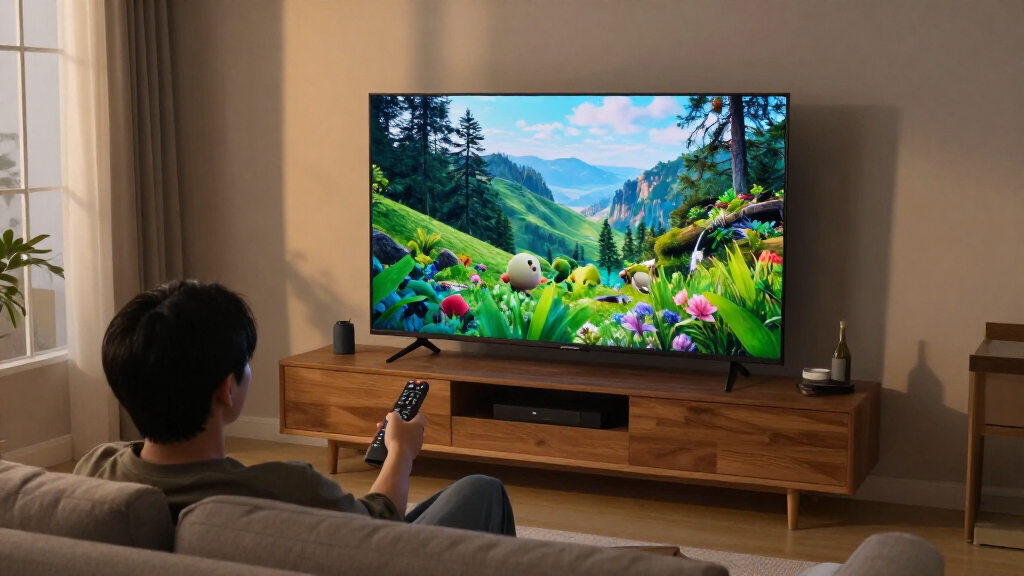

Buying a 100-inch television is a significant commitment of space and budget, and Hisense has positioned itself as a leader in delivering large-format value. When I look at the current lineup, the Hisense U8 Series stands out as the Best Overall choice due to its exceptional peak brightness and local dimming precision, which are critical for a screen of this magnitude. For those prioritizing gaming performance without the flagship price tag, the Hisense U7 Series offers a compelling balance of speed and color accuracy. Meanwhile, the E6 Series remains the Best Value entry point, providing a massive QLED experience for users who do not require the deep blacks of Mini-LED technology. The primary tradeoff across these models involves the balance between raw brightness capabilities and the complexity of installation; larger, brighter Mini-LED panels often demand more precise calibration and mounting solutions than their simpler QLED counterparts.

Get the latest gadgets delivered free with Prime
- Fast, free delivery on millions of items
- Prime Video, Amazon Music and more included
- Member-only deals all year
Complete the kit



Key Takeaways
- The Hisense U8 Series offers the highest peak brightness (up to 5,000 nits) and local dimming zones (5,600), making it superior for bright rooms.
- The U7 Series provides a significant price-to-performance ratio with Devialet-tuned audio and strong Mini-LED contrast.
- The E6 Series is the most affordable 100-inch option but lacks the local dimming precision of Mini-LED models, resulting in less contrast.
- All reviewed models support native high refresh rates (144Hz or 165Hz), making them suitable for next-gen gaming consoles.
- Installation for 100-inch units requires heavy-duty mounting hardware and significant wall space due to weights exceeding 100 pounds.
| Hisense 100-Inch U8 Series Mini-LED 4K UHD Smart Google TV (100U8QG) |  | Best Overall for Bright Rooms and High-End Performance | Display Technology: Mini-LED Pro, QLED | Peak Brightness: Up to 5,000 nits | Local Dimming Zones: Up to 5,600 | VIEW LATEST PRICE | See Our Full Breakdown |
| Hisense 100-Inch U7 Mini-LED 4K UHD Smart Google TV, 100U7SG |  | Best Value Premium with Superior Audio | Display Technology: Mini-LED, Hi-QLED | Peak Brightness: Up to 3,000 nits | Local Dimming Zones: Up to 3,000 | VIEW LATEST PRICE | See Our Full Breakdown |
| Hisense E7 Cinema Series 100-Inch Mini-LED 4K UHD Smart Fire TV |  | Best for Home Theater Enthusiasts on a Budget | Display Technology: Hi-QLED, Mini-LED | Backlight Configuration: Full-Array Local Dimming | Refresh Rate: 144Hz | VIEW LATEST PRICE | See Our Full Breakdown |
| Hisense U6 Pro 100-Inch Mini-LED 4K UHD Smart Fire TV |  | Best for Bright Rooms on a Mid-Range Budget | Display Technology: Mini-LED, Hi-QLED | Screen Finish: Glare-Minimizing | Refresh Rate: 144Hz Native | VIEW LATEST PRICE | See Our Full Breakdown |
| Hisense 100-Inch E6 Series QLED 4K UHD Smart Fire TV (2025 Model) |  | Best Entry-Level 100-Inch Screen | Display Technology: QLED | Resolution: 4K UHD | Refresh Rate: 144Hz Native | VIEW LATEST PRICE | See Our Full Breakdown |
| 100-inch Hisense TV | Display Technology | Refresh Rate | Smart Platform | HDR Formats |
|---|---|---|---|---|
| Hisense 100-Inch U8 Series Min | Mini-LED Pro, QLED | Native 165Hz | Google TV with Gemini | Dolby Vision IQ, HDR10+ Adaptive |
| Hisense 100-Inch U7 Mini-LED 4 | Mini-LED, Hi-QLED | Native 165Hz | Google TV with Gemini | HDR10+, Dolby Vision IQ |
| Hisense E7 Cinema Series 100-I | Hi-QLED, Mini-LED | 144Hz | Fire TV | Dolby Vision, HDR10+ |
| Hisense U6 Pro 100-Inch Mini-L | Mini-LED, Hi-QLED | 144Hz Native | Fire TV | Dolby Vision IQ, HDR10+ |
| Hisense 100-Inch E6 Series QLE | QLED | 144Hz Native | Fire TV | Dolby Vision, HDR10+ |
More Details on Our Top Picks
Hisense 100-Inch U8 Series Mini-LED 4K UHD Smart Google TV (100U8QG)
This model represents the pinnacle of Hisense’s current consumer lineup. Compared to the U7 Series, the U8 offers nearly double the local dimming zones and significantly higher peak brightness, which translates to a more dramatic HDR impact. The Mini-LED Pro backlighting allows for deeper blacks and brighter highlights simultaneously, a crucial feature when viewing a 100-inch screen where light blooming can be more noticeable. The integration of Google TV with Gemini provides a more versatile smart experience than the Fire TV found on the E-series. However, the complexity of setting up a 5,600-zone dimming array means that out-of-the-box settings may require manual adjustment to avoid blooming in dark scenes. It is a heavier, more expensive unit, but for those who want the best possible picture quality in a well-lit environment, this is the logical choice.
Pros:- Up to 5,600 local dimming zones provide exceptional contrast control.
- Peak brightness of up to 5,000 nits combats glare effectively.
- Native 165Hz refresh rate with advanced gaming features like Game Booster 288.
- 4.1.2-channel audio system eliminates the immediate need for a soundbar.
Cons:- High price point compared to other Hisense models.
- Requires professional-grade mounting due to weight and size.
- Advanced settings may require calibration for optimal HDR performance.
Best for: Home theater enthusiasts with bright living rooms who want flagship-level brightness and contrast.
Not ideal for: Budget-conscious buyers or those who prefer the Amazon Fire TV ecosystem over Google TV.
- Display Technology:Mini-LED Pro, QLED
- Peak Brightness:Up to 5,000 nits
- Local Dimming Zones:Up to 5,600
- Refresh Rate:Native 165Hz
- Audio System:4.1.2-channel, 82W
- Smart Platform:Google TV with Gemini
- HDR Formats:Dolby Vision IQ, HDR10+ Adaptive
- Gaming Features:AMD FreeSync Premium Pro, ALLM
Our verdict“The U8 is the definitive choice for those who want the absolute best picture quality Hisense offers at this size.”
Hisense 100-Inch U7 Mini-LED 4K UHD Smart Google TV, 100U7SG
The U7 Series sits comfortably between the flagship U8 and the mid-range U6 Pro. It shares the Google TV platform with the U8, offering a more open app ecosystem than the Fire TV models. While it has fewer local dimming zones (up to 3,000) and lower peak brightness (3,000 nits) than the U8, the difference is less pronounced in typical viewing conditions than the price gap suggests. A standout feature here is the Devialet-tuned 2.1.2-channel audio, which delivers a richer soundscape than the standard speakers on the E-series. For gamers, the native 165Hz panel and VRR support match the U8’s capabilities. This model makes the most sense for buyers who want high-end Mini-LED performance without paying for the extreme brightness reserves of the U8, especially if they plan to use a separate sound system that complements the built-in audio.
Pros:- Devialet-tuned audio provides immersive sound without external speakers.
- 3,000 local dimming zones offer strong contrast and black levels.
- Google TV interface offers broad app compatibility and Gemini AI features.
- Pantone Validated color ensures accurate skin tones and hues.
Cons:- Lower peak brightness than the U8 Series.
- Heavier than QLED models, requiring sturdy wall anchors.
- Some motion features are AI-enhanced rather than purely hardware-based.
Best for: Gamers and movie watchers who want Google TV and high-quality built-in audio.
Not ideal for: Users who need the absolute highest brightness for extremely sun-drenched rooms.
- Display Technology:Mini-LED, Hi-QLED
- Peak Brightness:Up to 3,000 nits
- Local Dimming Zones:Up to 3,000
- Refresh Rate:Native 165Hz
- Audio System:2.1.2-channel, Devialet Tuned
- Smart Platform:Google TV with Gemini
- Certifications:IMAX Enhanced, Pantone Validated
- HDR Formats:HDR10+, Dolby Vision IQ
Our verdict“The U7 offers the best balance of picture quality, audio performance, and smart features for most premium buyers.”
Hisense E7 Cinema Series 100-Inch Mini-LED 4K UHD Smart Fire TV
The E7 Cinema Series bridges the gap between the affordable E-series and the premium U-series. Unlike the U-series, it uses the Fire TV platform, which integrates seamlessly with Alexa and Amazon content. The inclusion of Mini-LED backlighting and full-array local dimming distinguishes it from the standard E6 QLED model, offering significantly better contrast. While it lacks the extreme brightness of the U8, it provides a cinematic experience with Dolby Atmos and a built-in subwoofer. Compared to the U6 Pro, the E7 often positions itself with slightly more cinema-focused tuning. This option stands out for buyers who are already invested in the Amazon ecosystem and want the benefits of Mini-LED contrast without moving to the Google TV interface or the higher price tier of the U-series.
Pros:- Mini-LED backlighting with full-array local dimming improves black levels.
- Fire TV with Alexa voice control offers seamless smart home integration.
- Built-in subwoofer and Dolby Atmos support enhance movie-watching.
- Supports multiple HDR formats including Dolby Vision IQ.
Cons:- Fire TV interface can feel cluttered with Amazon promotions.
- Heavier than non-Mini-LED models, complicating DIY installation.
- Peak brightness is lower than the U-series flagship models.
Best for: Amazon Prime subscribers and Alexa users who want Mini-LED contrast.
Not ideal for: Users who prefer Google TV apps or need the highest possible brightness levels.
- Display Technology:Hi-QLED, Mini-LED
- Backlight Configuration:Full-Array Local Dimming
- Refresh Rate:144Hz
- Audio System:Dolby Atmos with Subwoofer
- Smart Platform:Fire TV
- HDR Formats:Dolby Vision, HDR10+
- Motion Enhancement:MEMC
- Weight:120.2 pounds
Our verdict“The E7 is a strong contender for Amazon-centric households seeking better picture quality than standard QLED.”
Hisense U6 Pro 100-Inch Mini-LED 4K UHD Smart Fire TV
The U6 Pro is designed for users who need to combat glare without spending flagship money. Its glare-minimizing screen and Mini-LED backlighting make it better suited for living rooms with large windows than the E6 QLED model. While it shares the Fire TV platform with the E6 and E7, the U6 Pro’s local dimming capabilities provide a noticeable upgrade in contrast. Compared to the E7 Cinema Series, the U6 Pro often emphasizes brightness and gaming features slightly more than pure cinematic tuning. The built-in subwoofer is a welcome addition, though it does not match the audio fidelity of the U7’s Devialet system. This model is a practical choice for families who watch TV during the day and want a balance of performance and affordability.
Pros:- Glare-minimizing screen improves visibility in bright environments.
- Mini-LED local dimming enhances contrast over standard LED TVs.
- Native 144Hz refresh rate supports smooth gaming and sports.
- Built-in subwoofer adds depth to the audio profile.
Cons:- Fire TV interface may include ads and sponsored content.
- Contrast is not as deep as the higher-end U8 or U7 models.
- Lacks the advanced audio tuning of the U-series flagships.
Best for: Daytime viewers in bright rooms who want Mini-LED benefits at a mid-range price.
Not ideal for: Dark-room cinephiles who prioritize perfect blacks over brightness.
- Display Technology:Mini-LED, Hi-QLED
- Screen Finish:Glare-Minimizing
- Refresh Rate:144Hz Native
- Backlight:Full-Array Local Dimming
- Smart Platform:Fire TV
- Audio:Built-in Subwoofer, Dolby Atmos
- Processing:Hi-View AI Engine Pro
- HDR Formats:Dolby Vision IQ, HDR10+
Our verdict“The U6 Pro is a versatile workhorse for bright-room viewing and casual gaming.”
Hisense 100-Inch E6 Series QLED 4K UHD Smart Fire TV (2025 Model)
The E6 Series is the most accessible way to own a 100-inch television. It uses QLED technology rather than Mini-LED, meaning it lacks the precise local dimming zones found in the U6 Pro and U8. As a result, blacks may appear more gray in dark scenes, and light blooming around bright objects on a dark background is more likely. However, for daytime viewing and general broadcasting, the vivid color and 4K resolution are impressive. It supports the same Fire TV platform and gaming features as its siblings, including a 144Hz panel. This option makes the most sense for buyers who prioritize screen size and smart features over absolute picture fidelity, or those who plan to use the TV primarily in a well-lit room where contrast differences are less apparent.
Pros:- Most affordable entry into the 100-inch TV market.
- QLED color gamut provides vibrant and saturated images.
- Native 144Hz refresh rate supports high-end gaming.
- Fire TV with Alexa is user-friendly and feature-rich.
Cons:- Lacks Mini-LED local dimming, resulting in lower contrast.
- Heavier than smaller TVs, requiring careful mounting.
- Audio quality is basic compared to U-series models.
Best for: Buyers who want the largest possible screen for the lowest price.
Not ideal for: Movie enthusiasts who watch films in dark rooms and care about deep blacks.
- Display Technology:QLED
- Resolution:4K UHD
- Refresh Rate:144Hz Native
- Smart Platform:Fire TV
- HDR Formats:Dolby Vision, HDR10+
- Gaming:AMD FreeSync Premium, VRR
- Viewing Angle:178 Degrees
- Weight:120.2 Pounds
Our verdict“The E6 is a solid choice for size-focused buyers who don’t need flagship contrast.”
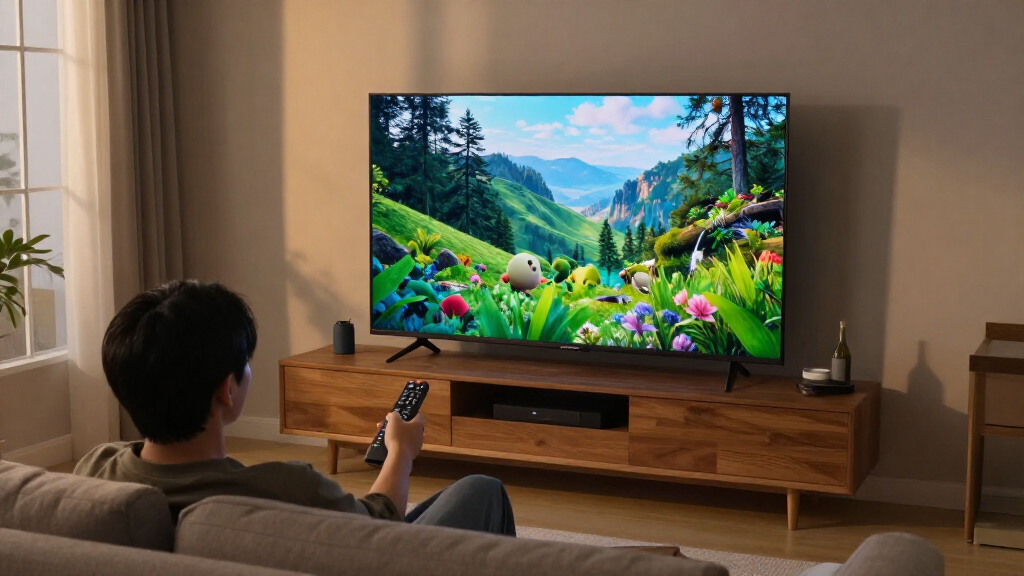
How We Picked
I selected these five models based on their availability, display technology, and specific feature sets relevant to a 100-inch form factor. My primary focus was on local dimming precision and peak brightness, as these factors determine image quality on such a large canvas. I compared the Mini-LED models (U8, U7, E7, U6 Pro) against the QLED model (E6) to highlight the tangible benefits of advanced backlighting. I also evaluated smart platform interfaces, distinguishing between Fire TV and Google TV ecosystems, and assessed gaming specifications like variable refresh rate (VRR) and input lag capabilities. The final selection reflects a range of budgets and use cases, from home theater enthusiasts to casual gamers.
| 100-inch Hisense TV | Display Technology | Smart Platform | HDR Formats |
|---|---|---|---|
| Hisense 100-Inch U8 Series Min | Mini-LED Pro, QLED | Google TV with Gemini | Dolby Vision IQ, HDR10+ Adaptive |
| Hisense 100-Inch U7 Mini-LED 4 | Mini-LED, Hi-QLED | Google TV with Gemini | HDR10+, Dolby Vision IQ |
| Hisense E7 Cinema Series 100-I | Hi-QLED, Mini-LED | Fire TV | Dolby Vision, HDR10+ |
| Hisense U6 Pro 100-Inch Mini-L | Mini-LED, Hi-QLED | Fire TV | Dolby Vision IQ, HDR10+ |
| Hisense 100-Inch E6 Series QLE | QLED | Fire TV | Dolby Vision, HDR10+ |
Factors to Consider When Choosing Best 100-inch Hisense TVs
Choosing a 100-inch TV involves more than just picking the largest screen. I have outlined the key technical and practical factors that should drive your decision, helping you match the TV’s capabilities to your specific living environment and usage habits.
Mini-LED vs. QLED: The Contrast Difference
The primary distinction in this lineup is the backlight technology. Mini-LED models (U8, U7, E7, U6 Pro) use hundreds or thousands of tiny LEDs to create local dimming zones. This allows the TV to darken specific areas of the screen for deeper blacks while keeping other areas bright. QLED models (E6) typically use edge-lit or standard full-array backlights without the same granularity of dimming. On a 100-inch screen, the lack of local dimming is more visible because the surface area is so large, making Mini-LED the preferred choice for movies and gaming in darker rooms.
Brightness and Glare Management
Peak brightness, measured in nits, determines how well a TV performs in bright environments. The U8 Series reaches up to 5,000 nits, making it ideal for rooms with large windows. The U6 Pro includes a specific glare-minimizing screen coating, which is a practical feature for daytime viewing. If your TV will be opposite a window, prioritize models with higher nits and anti-reflective coatings. For dark home theaters, brightness is less critical than contrast, so you might prioritize the U7 or E7 for their balance of features.
Smart Platforms: Fire TV vs. Google TV
Hisense offers two main smart platforms. Fire TV (E6, E7, U6 Pro) is deeply integrated with Amazon services and Alexa, making it convenient for users already in that ecosystem. It often features more aggressive ad placement. Google TV (U8, U7) offers a more unified search experience across apps and includes Gemini AI features. Google TV is generally preferred by users who want flexibility and less cluttered interfaces. Consider which ecosystem your smartphone and other devices use to ensure a smoother smart home integration.
Installation and Space Requirements
A 100-inch TV is massive, typically measuring over 87 inches wide and weighing over 100 pounds. Wall mounting requires heavy-duty brackets and often professional installation to ensure safety. I recommend checking the VESA mount pattern and weight specifications before purchasing. Additionally, consider the viewing distance; for 4K resolution, you should sit approximately 5 to 6 feet away to fully appreciate the detail, though this is often impractical in smaller rooms. Ensure you have adequate wall space and structural support before committing to this size.
Frequently Asked Questions
Is a 100-inch TV too big for a standard living room?
It depends on your viewing distance. For a 100-inch 4K TV, the recommended viewing distance is between 5 and 6 feet for immersive detail, though many people sit further back. In a typical living room, this size can feel overwhelming if you are seated closer than 8 feet. I advise measuring your wall space and seating arrangement carefully. If your room is small, the sheer size may cause eye strain or require excessive head movement to see the edges of the screen, making a 75-inch or 85-inch model a more comfortable choice for daily viewing.
What is the main advantage of Mini-LED over QLED in these Hisense models?
The primary advantage is contrast control. Mini-LED technology uses full-array local dimming with hundreds or thousands of zones, allowing the TV to turn off specific areas of the backlight to produce deeper blacks. Standard QLED models, like the E6, typically lack this granular dimming capability, resulting in grayer blacks and potential light blooming around bright objects in dark scenes. For a 100-inch screen, where the surface area magnifies these imperfections, Mini-LED provides a significantly more cinematic and dynamic image, especially for movies and games with dark sequences.
Do I need a separate soundbar for a 100-inch Hisense TV?
Not necessarily, though it depends on the model. The premium U8 and U7 series feature advanced audio systems, including 4.1.2-channel and 2.1.2-channel setups with Dolby Atmos and up-firing speakers. These built-in systems are surprisingly capable and may suffice for most viewers. However, the E6 and E7 models have more basic audio profiles, even with built-in subwoofers. If you prioritize immersive audio for movies and gaming, adding a dedicated soundbar or home theater system will still provide a noticeable upgrade in clarity and bass depth across all these models.
Which Hisense 100-inch TV is best for PS5 and Xbox gaming?
The U8 and U7 series are the top contenders due to their native 165Hz refresh rates and advanced variable refresh rate (VRR) support, which reduce screen tearing and stutter. They also feature low input lag modes and AMD FreeSync Premium Pro. The E6 and U6 Pro offer 144Hz panels, which are also excellent for next-gen consoles that target 120Hz. While the U8 and U7 are technically superior for high-frame-rate gaming, the difference may be negligible for most gamers who play at 60Hz or 120Hz, making the U6 Pro a strong value option for gaming in bright rooms.
How difficult is it to install a 100-inch TV on a wall?
It is significantly more difficult than installing smaller TVs. These units weigh over 100 pounds and are extremely wide, requiring at least two people to move and mount safely. You will need a heavy-duty, high-capacity wall mount rated for the specific weight and VESA pattern of the TV. Crucially, you must locate wall studs or use specialized anchors for drywall if studs are not aligned. I strongly recommend hiring professional installers for a screen of this magnitude to avoid safety hazards and ensure the TV is level and secure.
Conclusion
Selecting the right 100-inch Hisense TV comes down to your specific environment and budget. If you have a bright room and want the best possible picture quality, the Hisense U8 Series is the unmatched leader with its extreme brightness and precision dimming. For those who want a balance of premium features, Google TV, and excellent audio, the Hisense U7 Series is the smartest buy. If you are an Amazon household looking for Mini-LED contrast without the flagship price, the E7 Cinema Series or U6 Pro are excellent compromises. Finally, if your primary goal is simply the largest screen for the lowest cost and you watch mostly in daylight, the E6 Series remains the best value entry point into the world of 100-inch TVs.
Black Friday Picks

Kindle Paperwhite Signature Edition (2024), 32 GB, Metallic Black
As an affiliate, we earn on qualifying purchases.