
When searching for a smart thermostat with room sensors, the goal is to improve comfort and energy efficiency by precisely managing different areas of your home. The ecobee Smart Thermostat Premium stands out as the overall best choice for its advanced sensing and versatile features. The Honeywell Home T9 offers excellent value with easy setup and reliable performance, while the Google Nest Learning Thermostat provides smart learning capabilities that adapt over time. The main tradeoffs include balancing budget versus feature set, and deciding whether you need extensive customization or simple, automated control. Continue reading for a detailed breakdown of each option and how they compare.

Get the latest gadgets delivered free with Prime
- Fast, free delivery on millions of items
- Prime Video, Amazon Music and more included
- Member-only deals all year
Complete the kit



Key Takeaways
- Top-ranked models like ecobee and Honeywell excel in sensor accuracy and smart home compatibility.
- Price often correlates with sensor quantity and advanced features—higher cost models offer more versatility.
- Ease of setup and app usability are critical, especially for beginners or those integrating into existing smart homes.
- Battery life and power options vary, impacting long-term maintenance and reliability.
- Choosing the right sensor placement and quantity can significantly impact comfort and energy savings.
| Sensi Touch 2 Smart Thermostat with Wi-Fi and Alexa Compatibility (ST76) |  | Best Overall for Balance of Features and Ease of Use | Model: ST76 | Certification: ENERGY STAR | Connectivity: Wi-Fi, Bluetooth | VIEW ON AMAZON | See Our Full Breakdown |
| Honeywell Home T9 WiFi Smart Thermostat with 1 Smart Room Sensor, Touchscreen Display, White |  | Best for Multi-Room Control and Ecosystem Compatibility | Brand: Honeywell Home | Model: T9 | Display: Touchscreen | VIEW ON AMAZON | See Our Full Breakdown |
| Amazon Smart Thermostat – Works with Alexa and Ring, C-Wire Required |  | Best for Alexa Ecosystem Enthusiasts and Budget Simplicity | Compatibility: Alexa and Ring | Installation: DIY, C-wire required | Estimated Savings: $90/year | VIEW ON AMAZON | See Our Full Breakdown |
| ecobee Smart Thermostat Premium with Smart Sensor |  | Best for Comprehensive Room Control and Advanced Features | Connectivity: WiFi | Voice Assistants: Siri and Alexa | HVAC Compatibility: 95% of systems | VIEW ON AMAZON | See Our Full Breakdown |
| Google Nest Learning Thermostat (4th Gen) + Nest Temperature Sensor (2nd Gen) – Obsidian |  | Best for Learning and Adaptation with Hot/Cold Spot Management | Model: Nest Learning Thermostat (4th Gen) | Color: Obsidian | Included Sensor: Nest Temperature Sensor (2nd Gen) | VIEW ON AMAZON | See Our Full Breakdown |
| ecobee Smart Thermostat Enhanced, Programmable WiFi Thermostat |  | Best Overall for Customization and Energy Savings | Compatibility: Most HVAC systems | Connectivity: WiFi | Warranty: 3 years | VIEW ON AMAZON | See Our Full Breakdown |
| Honeywell Home X8S Premium Smart Wi-Fi Thermostat with Room Sensor, Black |  | Best Premium Choice with Large Display and Multi-Platform Support | Model: X8S | Display: 5 inches, customizable color | Room Sensor Range: Up to 200 ft | VIEW ON AMAZON | See Our Full Breakdown |
| ecobee SmartSensor 2-Pack – Temperature & Occupancy Sensor |  | Best for Room-Level Comfort and Long Battery Life | Quantity: 2 sensors | Wireless Range: Up to 60 feet | Battery Life: Up to 5 years | VIEW ON AMAZON | See Our Full Breakdown |
| ecobee Smart Thermostat Essential – WiFi Smart Thermostat, Energy Star Certified |  | Best Budget-Friendly Smart Thermostat with Core Features | Compatibility: 85% of HVAC systems | Connectivity: WiFi | Display: Color touchscreen | VIEW ON AMAZON | See Our Full Breakdown |
| Google Nest Thermostat – Smart Thermostat for Home – Programmable Wifi Thermostat | 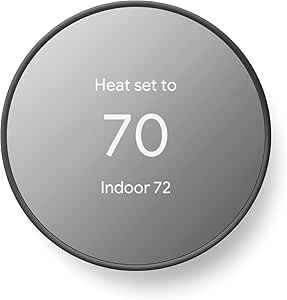 | Best for Simplicity and Google Ecosystem Integration | Connectivity: Wi-Fi 2.4/5 GHz | Installation: Typically DIY, no C-wire needed | Compatibility: Most HVAC systems | VIEW ON AMAZON | See Our Full Breakdown |
| Sensi Touch 2 Smart Thermostat Wi-Fi, Alexa, Energy Star Certified, ST76 |  | Best Overall for Customizable Control and Privacy | Controller Type: App, Touch, Voice | Connectivity: Wi-Fi, Bluetooth | Compatibility: HVAC systems with common wire | VIEW ON AMAZON | See Our Full Breakdown |
| Honeywell Home X8S Premium Smart Programmable Wi-Fi Thermostat with Room Sensor and 5″ Touchscreen |  | Best Premium with Advanced Zoning and IAQ Control | Display: 5-inch color touchscreen | Connectivity: Wi-Fi 2.4/5 GHz, 802.11ax | Compatibility: Multiple HVAC types, no electric baseboard | VIEW ON AMAZON | See Our Full Breakdown |
| Google Nest Thermostat – Smart Wi-Fi Programmable Thermostat for Home – Snow |  | Best for Simplicity and Energy Savings | Connectivity Protocol: Wi-Fi | Energy Star Certified: Yes | Compatibility: Google Assistant, Alexa, Matter | VIEW ON AMAZON | See Our Full Breakdown |
| smart thermostat with room sensor | Compatibility | Connectivity |
|---|---|---|
| Sensi Touch 2 Smart Thermostat | — | Wi-Fi, Bluetooth |
| Honeywell Home T9 WiFi Smart T | — | WiFi |
| Amazon Smart Thermostat | Alexa and Ring | — |
| ecobee Smart Thermostat Premiu | — | WiFi |
| Google Nest Learning Thermosta | Most 24V systems | — |
| ecobee Smart Thermostat Enhanc | Most HVAC systems | WiFi |
| Honeywell Home X8S Premium Sma | — | — |
| ecobee SmartSensor 2-Pack | ecobee Smart Thermostat | — |
| ecobee Smart Thermostat Essent | 85% of HVAC systems | WiFi |
| Google Nest Thermostat | Most HVAC systems | Wi-Fi 2.4/5 GHz |
| Sensi Touch 2 Smart Thermostat | HVAC systems with common wire | Wi-Fi, Bluetooth |
| Honeywell Home X8S Premium Sma | Multiple HVAC types, no electric baseboard | Wi-Fi 2.4/5 GHz, 802.11ax |
| Google Nest Thermostat | Google Assistant, Alexa, Matter | — |
More Details on Our Top Picks
Sensi Touch 2 Smart Thermostat with Wi-Fi and Alexa Compatibility (ST76)
The Sensi Touch 2 stands out for its combination of energy savings, flexible scheduling, and user-friendly installation. It’s ENERGY STAR certified, promising up to 23% HVAC energy reduction, with a straightforward DIY setup guided by a highly-rated app. Unlike the ecobee Smart Thermostat, it doesn’t include sensors in the box, so for whole-home temperature balancing, additional sensors are necessary—adding to the cost. Its compatibility with Alexa makes voice control seamless, but a common c-wire is essential, which can be a hurdle for some homes. Overall, this model suits those who want a reliable, energy-efficient thermostat with room sensor expandability but are comfortable with optional upgrades.
Pros:- ENERGY STAR certified with potential ~23% HVAC savings
- Easy DIY installation guided by a top-rated app
- Smart maintenance alerts and detailed usage reports
- Supports optional room sensors for better temperature balance
Cons:- Requires a common wire (c-wire) for installation, which isn’t available in all homes
- Room sensors are sold separately, increasing overall cost
- Limited compatibility with some older or specialized HVAC systems
Best for: Homeowners seeking a dependable, energy-saving smart thermostat with room sensors ready for future expansion
Not ideal for: People with complex HVAC systems requiring specialized controls or those unwilling to purchase sensors separately
- Model:ST76
- Certification:ENERGY STAR
- Connectivity:Wi-Fi, Bluetooth
- Voice Assistant Compatibility:Alexa
- Installation:DIY, c-wire required
- Room Sensor Compatibility:Yes (sold separately)
Our verdict“Ideal for budget-conscious homeowners looking for a flexible, energy-efficient thermostat with room sensor options.”
Honeywell Home T9 WiFi Smart Thermostat with 1 Smart Room Sensor, Touchscreen Display, White
The Honeywell T9 offers outstanding flexibility with its focus on specific room comfort through a dedicated sensor that measures temperature and humidity. Compared to the ecobee Smart Thermostat Premium, which includes a SmartSensor and advanced occupancy features, the T9 provides a similar level of room-specific control but with a more straightforward setup and a clear focus on humidity as well. Its compatibility with Alexa, Apple HomeKit, and Google Assistant makes it versatile for various smart home setups. However, to achieve multi-room control, additional sensors must be purchased, which can add up. The included power adapter as a C-wire alternative makes installation easier for many DIYers, but the system isn’t compatible with electric baseboard heating.
Pros:- Supports major voice platforms including Alexa, HomeKit, and Google Assistant
- Focuses heating/cooling on occupied rooms via smart sensors
- Includes power adapter as C-wire alternative for easier DIY installation
- Energy STAR certified with potential rebates
Cons:- Additional sensors are needed for multi-room control, increasing total cost
- Not suitable for electric baseboard heating systems
- Limited sensor included—only one sensor in the box
Best for: Homeowners wanting precise control over specific rooms with broad smart home ecosystem support
Not ideal for: Users with electric baseboard heating or those seeking integrated air quality monitoring without additional sensors
- Brand:Honeywell Home
- Model:T9
- Display:Touchscreen
- Included Sensors:1 Smart Room Sensor
- Connectivity:WiFi
- Energy Certification:ENERGY STAR
Our verdict“Best suited for users who prioritize targeted comfort and smart home integration with room-specific sensors.”
Amazon Smart Thermostat – Works with Alexa and Ring, C-Wire Required
The Amazon Smart Thermostat simplifies home automation for Alexa users, offering remote control and basic scheduling at a lower price point. It leverages Honeywell’s proven thermostat technology, making it familiar and reliable. While it doesn’t include room sensors, it can still learn your preferences and adjust accordingly. It’s a clear choice for those already invested in the Alexa ecosystem, but the requirement of a C-wire may complicate installation in some homes. Compared to the ecobee or Nest options, it offers fewer advanced features like occupancy sensing or air quality monitoring, but its affordability and straightforward setup make it appealing for budget-conscious users seeking basic smart control.
Pros:- Works seamlessly with Alexa for voice control and routines
- Affordable price point with reliable Honeywell technology
- Remote control and scheduling via the Alexa app
- Energy Star certified with an estimated $90 annual savings
Cons:- Requires a C-wire, which may not be available in all homes
- No included room sensors for zone-specific control
- Limited compatibility with some HVAC types like electric baseboard heat
Best for: Amazon Alexa users seeking an affordable, straightforward smart thermostat with remote control capabilities
Not ideal for: Homeowners without a C-wire or those wanting advanced room-specific sensors and environmental monitoring
- Compatibility:Alexa and Ring
- Installation:DIY, C-wire required
- Estimated Savings:$90/year
Our verdict“Great for Alexa fans who want an easy, cost-effective upgrade to smart home control without extra sensors or advanced features.”
ecobee Smart Thermostat Premium with Smart Sensor
The ecobee Smart Thermostat Premium provides a robust package of features, including a SmartSensor for precise room-by-room comfort and built-in voice control for Siri and Alexa. It’s compatible with 95% of HVAC systems, making it a versatile choice. Compared with the Google Nest Learning Thermostat, it offers more in-depth environmental control and a more sophisticated occupancy sensing system that can anticipate your routine. However, some features require a subscription, and Siri functionality depends on an Apple home hub, adding potential extra costs. Its elegant large display and air quality monitoring make it a premium choice for tech-savvy homeowners who want a comprehensive smart thermostat experience.
Pros:- Up to 26% energy savings and compatibility with most HVAC systems
- Includes SmartSensor for accurate room-by-room temperature management
- Built-in Siri and Alexa voice control
- Air quality monitoring and radar occupancy sensing
Cons:- Some features require a paid ecobee Smart Security subscription
- Siri functionality depends on an Apple home hub
- More complex installation and setup process
Best for: Homeowners seeking advanced control, including air quality and occupancy sensing, with broad voice ecosystem support
Not ideal for: Users on a tight budget or those who prefer a simple, no-fuss thermostat without subscriptions
- Connectivity:WiFi
- Voice Assistants:Siri and Alexa
- HVAC Compatibility:95% of systems
- Included Accessories:SmartSensor, Power Extender Kit
- Warranty:3 years
- Energy Savings:Up to 26%
Our verdict“Ideal for users who want comprehensive environmental control, occupancy sensing, and voice integration in a premium design.”
Google Nest Learning Thermostat (4th Gen) + Nest Temperature Sensor (2nd Gen) – Obsidian
The Nest Learning Thermostat excels in adapting to your schedule and preferences, offering up to 31% savings. Its learning capabilities distinguish it from fixed-schedule models like the Honeywell T9, adjusting automatically over time. The included Nest Temperature Sensor allows better management of temperature discrepancies across rooms, a feature that surpasses basic sensor setups. Unlike the ecobee Premium, which requires a subscription for some advanced features, the Nest offers a highly intuitive experience with a large, easily visible display and Dynamic Farsight. However, some setup features need manual approval, and checking compatibility is recommended for complex HVAC systems. This makes it well-suited for tech-savvy homeowners who value automation and learning capabilities.
Pros:- Learns your schedule and temperature preferences automatically
- Saves up to 31% on heating and cooling bills
- No C-wire needed in most homes, simplifying installation
- Includes a remote sensor to address hot/cold spots
Cons:- Some features require compatibility verification with the Nest Compatibility Checker
- Schedule adjustments need manual approval, which can slow automation
- Limited advanced environmental control without additional Nest features
Best for: Users who want a self-learning thermostat that adapts to their routines and manages hot/cold spots with minimal input
Not ideal for: Customers seeking a thermostat with extensive environmental monitoring or without the need for learning features
- Model:Nest Learning Thermostat (4th Gen)
- Color:Obsidian
- Included Sensor:Nest Temperature Sensor (2nd Gen)
- Compatibility:Most 24V systems
- C Wire Required:No (most homes)
- Energy Savings:Up to 31%
Our verdict“Perfect for those who prefer a self-adjusting, learning thermostat that optimizes comfort and savings with minimal manual intervention.”
ecobee Smart Thermostat Enhanced, Programmable WiFi Thermostat
This ecobee model stands out for its ability to integrate occupancy sensing, humidity control, and optional room sensors that personalize comfort across multiple spaces. Compared with the simpler ecobee SmartSensor 2-Pack, it offers more advanced learning features and broader compatibility, making it suitable for users seeking energy savings and tailored climate control. The tradeoff is that smart sensors are sold separately, which adds to the overall cost. Its easy DIY installation and compatibility with major smart home systems make it accessible, but some users may find setup slightly complex. This pick makes the most sense for homeowners who want a versatile, energy-efficient thermostat with room-specific control.
Pros:- Saves up to 26% annually on energy costs
- Supports occupancy sensing and humidity control
- Easy DIY installation with included kits
- Learns user preferences for optimal comfort
Cons:- SmartSensors sold separately, increasing total cost
- Requires compatible HVAC system, limiting some older setups
- Setup can be complex for first-time users
Best for: Homeowners seeking a highly customizable thermostat that reduces energy costs and supports multiple sensors for individualized comfort.
Not ideal for: Renters or users without compatible HVAC systems, as the setup and investment may be less worthwhile.
- Compatibility:Most HVAC systems
- Connectivity:WiFi
- Warranty:3 years
- Includes:Power Extender Kit, Trim Kit
Our verdict“This thermostat appeals most to those who want a flexible, energy-conscious solution with room sensors for personalized comfort.”
Honeywell Home X8S Premium Smart Wi-Fi Thermostat with Room Sensor, Black
The Honeywell X8S excels for users wanting a high-end thermostat with a vibrant, customizable 5-inch display that can match their home decor. Unlike the ecobee Enhanced, it includes a wireless room sensor with a 200ft range that offers precise room-specific control, ideal for larger homes. However, it requires a C-wire, which can be a barrier for some installations, despite the included voucher for an adapter. The support for doorbell camera viewing and intercom features makes it a versatile choice for tech-savvy households, but the additional cost for compatible doorbells and accessories can add up. This makes it ideal for users who prioritize a premium aesthetic and advanced home integration.
Pros:- Large, customizable 5-inch display with camera view
- Wireless room sensor with 200ft range
- Supports Matter, Alexa, Google Assistant, and Apple Home
- ENERGY STAR certified with rebate options
Cons:- Requires a C-wire; adapter provided via mail voucher
- Doorbell features need compatible doorbells, which are not included
- Some advanced air quality features may need extra equipment
Best for: Tech-oriented homeowners who want a stylish, feature-rich thermostat with extensive smart home compatibility.
Not ideal for: Renters or those with incompatible wiring systems, as the C-wire requirement may complicate installation.
- Model:X8S
- Display:5 inches, customizable color
- Room Sensor Range:Up to 200 ft
- System Compatibility:Up to 3 heat/2 cool heat pump
Our verdict“Ideal for users seeking a premium, visually impressive thermostat with broad smart home support and room sensors.”
ecobee SmartSensor 2-Pack – Temperature & Occupancy Sensor
This ecobee sensor pack excels in providing precise room-by-room temperature and occupancy data, boosting the effectiveness of compatible ecobee thermostats. Unlike the ecobee Enhanced, it’s a standalone accessory designed specifically for room-specific control, with a long battery life of up to 5 years, reducing maintenance needs. The wireless, tool-free setup makes it accessible for most users, but it requires an ecobee thermostat to function, limiting its standalone usefulness. The motion alerts feature is an added benefit but requires a paid subscription. This product is perfect for those who want to enhance their existing ecobee system with reliable, long-lasting room sensors.
Pros:- Prioritizes temperature in occupied rooms
- Battery life up to 5 years with minimal maintenance
- Wireless setup, no tools required
- Helps reduce energy use when rooms are unoccupied
Cons:- Requires an ecobee thermostat to work
- Motion alerts depend on a paid subscription
- Limited to room-specific data rather than standalone control
Best for: Owners of ecobee thermostats aiming to improve room-specific comfort and energy efficiency.
Not ideal for: Users without ecobee thermostats or those seeking a complete thermostat solution without additional accessories.
- Quantity:2 sensors
- Wireless Range:Up to 60 feet
- Battery Life:Up to 5 years
- Compatibility:ecobee Smart Thermostat
Our verdict“Best suited for ecobee users wanting reliable, long-lasting sensors to optimize comfort and savings.”
ecobee Smart Thermostat Essential – WiFi Smart Thermostat, Energy Star Certified
The ecobee Essential offers solid energy savings—up to 23%—with a simple color touchscreen and compatibility with major voice assistants. Unlike the ecobee Enhanced, it doesn’t support occupancy sensing or room sensors out of the box, but it can be expanded with the separate SmartSensor add-ons. Its DIY-friendly installation and compatibility with most HVAC systems make it a practical choice for budget-conscious users. The main tradeoff is that some key features—like room sensors—are sold separately, which could increase overall costs for those wanting more granular control. This model is a good fit for users seeking a straightforward, energy-efficient thermostat without the need for extensive customization.
Pros:- Saves up to 23% annually on energy costs
- DIY installation with optional Power Extender Kit
- Works with Alexa, Google Assistant, and Apple HomeKit
- Energy Star certified with smart features like eco+
Cons:- SmartSensor add-ons are sold separately
- Lacks built-in occupancy sensing out of the box
- Compatibility limited to most but not all HVAC systems
Best for: Budget-conscious homeowners who want basic smart control and energy savings with optional room sensors later on.
Not ideal for: Homeowners wanting immediate room-level control or occupancy sensing without additional purchases.
- Compatibility:85% of HVAC systems
- Connectivity:WiFi
- Display:Color touchscreen
- Certifications:Energy Star
Our verdict“A practical, cost-effective choice for users who want a basic smart thermostat with room sensor options available later.”
Google Nest Thermostat – Smart Thermostat for Home – Programmable Wifi Thermostat
The Google Nest Thermostat is designed for users who prioritize ease of installation and integration within the Google ecosystem. While it offers decent energy savings and remote control, it lacks the advanced room sensor support found in ecobee or Honeywell models, making it less suitable for multi-room comfort optimization. Its compatibility with most HVAC systems, including many without a C-wire, is a plus, but its simplified interface and lack of built-in occupancy sensing limit its customization potential. The savings finder and HVAC monitoring add value, yet the absence of dedicated room sensors means less room-specific comfort control. This pick is best for users seeking a straightforward, well-integrated smart thermostat with minimal fuss.
Pros:- Easy to install, often without a C-wire
- Remote control via Google Home app
- HVAC monitoring and energy savings suggestions
- Compatible with Google Assistant and Matter
Cons:- No support for room sensors or occupancy sensing
- Limited customization compared to ecobee or Honeywell models
- Less suitable for multi-room comfort needs
Best for: Google ecosystem users who want a simple, reliable thermostat with remote control and basic energy savings.
Not ideal for: Homeowners wanting multi-room control or occupancy sensing features, as these are not supported.
- Connectivity:Wi-Fi 2.4/5 GHz
- Installation:Typically DIY, no C-wire needed
- Compatibility:Most HVAC systems
- Energy Star:Yes
Our verdict“A straightforward, Google-integrated thermostat ideal for users who want simple control without additional sensors.”
Sensi Touch 2 Smart Thermostat Wi-Fi, Alexa, Energy Star Certified, ST76
The Sensi Touch 2 stands out for its user-friendly app, easy DIY installation, and reliable compatibility with most HVAC systems. Unlike the Honeywell X8S, it doesn’t include a wireless room sensor, but when paired with separately sold sensors, it effectively reduces hot and cold spots. This flexibility makes it highly adaptable for homeowners who want a balance of control and privacy, especially given its strong data protection promises. However, it requires a common wire (C-wire) and doesn’t offer built-in occupancy detection, which can be a limitation for those seeking automatic zoning without extra hardware. Its main tradeoff is that, while it’s simpler to install than the Honeywell X8S, it may lack some advanced zoning features out of the box.
Pros:- Intuitive app with step-by-step DIY installation guidance
- Compatible with up to 15 room sensors for zone control
- Energy Star certified, with detailed usage reports
- Strong privacy protections, no data selling
Cons:- Requires common C-wire for installation
- Sensors sold separately, increasing total cost
- Lacks built-in occupancy sensors and advanced zoning
Best for: Homeowners seeking an easy-to-install, privacy-focused thermostat with room sensor compatibility for zone control.
Not ideal for: Users wanting advanced occupancy detection or built-in IAQ features, as sensors are sold separately and automation is limited.
- Controller Type:App, Touch, Voice
- Connectivity:Wi-Fi, Bluetooth
- Compatibility:HVAC systems with common wire
- Display Type:LCD Touchscreen
- Energy Star Certified:Yes
- Room Sensors:Compatible with Sensi Room Sensors (sold separately)
Our verdict“This pick makes the most sense for homeowners who want customizable comfort with privacy and are comfortable with a DIY setup.”
Honeywell Home X8S Premium Smart Programmable Wi-Fi Thermostat with Room Sensor and 5″ Touchscreen
The Honeywell X8S excels with its large 5-inch color touchscreen, advanced occupancy detection, and built-in humidity and ventilation controls, making it ideal for those seeking comprehensive indoor air quality management. Compared to the Sensi Touch 2, it offers more integrated features like smart zoning and IAQ controls, but comes with a more complex setup that may require professional installation or the free C-wire adapter. Its included room sensor with a 200-foot range allows for targeted comfort zones, but the need for a C-wire and additional IAQ accessories can be a barrier for some. The built-in video intercom and doorbell camera compatibility add an extra layer of convenience, although the camera features are sold separately, and it doesn’t support electric baseboard heating.
Pros:- Large, vivid 5-inch color touchscreen display
- Includes wireless room sensor with 200ft range for zoning
- Built-in doorbell camera view and intercom functions
- Supports multiple smart home ecosystems including Matter, Alexa, Google, and Apple
Cons:- Requires a C-wire, which may need an adapter
- Incompatible with electric baseboard heating
- Additional IAQ accessories are sold separately
Best for: Tech-savvy homeowners wanting a premium, feature-rich thermostat with integrated IAQ and zoning capabilities.
Not ideal for: Users with electric baseboard systems or those seeking simple, plug-and-play solutions, due to compatibility and wiring requirements.
- Display:5-inch color touchscreen
- Connectivity:Wi-Fi 2.4/5 GHz, 802.11ax
- Compatibility:Multiple HVAC types, no electric baseboard
- Room Sensor Range:Up to 200 ft
- Smart Home Ecosystems:Matter, Alexa, Google, Apple
- C-wire:Required (adapters included)
Our verdict“This thermostat suits homeowners who desire a premium experience with advanced comfort, IAQ, and smart home integration, despite wiring considerations.”
Google Nest Thermostat – Smart Wi-Fi Programmable Thermostat for Home – Snow
The Google Nest Thermostat offers a straightforward, effective solution for those prioritizing ease of use and energy efficiency. Its minimalist design and simple app interface make setup and daily control accessible, but it lacks the advanced zoning capabilities of the Honeywell X8S or the sensor compatibility of the Sensi Touch 2. Unlike the others, it doesn’t support room sensors directly, which limits zone-specific comfort customization. However, its ability to monitor HVAC performance and adapt schedules automatically can lead to tangible energy savings, especially for users who prefer a set-it-and-forget-it approach. The main tradeoff is that it may require a C-wire for proper operation, and some users might find the absence of sensor-based zoning a drawback if they want precise control across multiple rooms.
Pros:- Energy-efficient with smart scheduling and HVAC monitoring
- Simple remote control via smartphone or voice
- Compact, minimalist design fits discreetly in any home
- Compatible with multiple smart platforms including Google Assistant and Alexa
Cons:- Requires C-wire for some HVAC setups
- No built-in room sensors for zone control
- Limited customization without additional hardware
Best for: Homeowners seeking a sleek, easy-to-install thermostat that emphasizes energy savings with minimal fuss.
Not ideal for: Those wanting room-specific zoning or integrated sensors for comfort, as the Nest lacks native sensor support without additional hardware.
- Connectivity Protocol:Wi-Fi
- Energy Star Certified:Yes
- Compatibility:Google Assistant, Alexa, Matter
- Remote Control:Yes
- HVAC Monitoring:Yes
- Color:Snow
Our verdict“This thermostat is ideal for users who want a clean, simple device focused on energy savings rather than zone-specific control, though it may need extra wiring or hardware for full functionality.”
How We Picked
I evaluated each smart thermostat with room sensors based on several key criteria: performance of sensors in detecting temperature and occupancy, ease of installation and setup, app and voice control usability, build quality, and overall value for the features offered. Compatibility with popular voice assistants and smart home systems also played a role, as well as the flexibility of sensor placement and coverage. Products were ranked to balance these factors, prioritizing those that deliver reliable, precise control with user-friendly interfaces and smart integrations. This approach ensures the list caters to different needs—whether budget-conscious, tech-savvy, or seeking premium features.| smart thermostat with room sensor | Connectivity |
|---|---|
| Sensi Touch 2 Smart Thermostat | Wi-Fi, Bluetooth |
| Honeywell Home T9 WiFi Smart T | WiFi |
| Amazon Smart Thermostat | — |
| ecobee Smart Thermostat Premiu | WiFi |
| Google Nest Learning Thermosta | — |
| ecobee Smart Thermostat Enhanc | WiFi |
| Honeywell Home X8S Premium Sma | — |
| ecobee SmartSensor 2-Pack | — |
| ecobee Smart Thermostat Essent | WiFi |
| Google Nest Thermostat | Wi-Fi 2.4/5 GHz |
| Sensi Touch 2 Smart Thermostat | Wi-Fi, Bluetooth |
| Honeywell Home X8S Premium Sma | Wi-Fi 2.4/5 GHz, 802.11ax |
| Google Nest Thermostat | — |
Factors to Consider When Choosing Smart Thermostat With Room Sensors
Selecting the right smart thermostat with room sensors involves considering several factors beyond just features. It’s essential to think about your home’s size, existing smart home ecosystem, and your comfort preferences. Proper sensor placement, system compatibility, and ease of use can make a big difference in daily operation and long-term satisfaction. Here are the key considerations to keep in mind:Sensor Quantity and Placement
The number of sensors and their placement directly influence how well your thermostat manages different zones. More sensors allow for finer control, especially in larger or multi-story homes. Proper placement—such as bedrooms, living areas, or hallways—ensures accurate temperature readings. Avoid placing sensors near heat sources or in direct sunlight, which can skew readings and lead to inefficient heating or cooling.
Compatibility and Smart Home Integration
Check whether the thermostat works with your existing smart home devices and voice assistants like Alexa, Google Assistant, or Apple HomeKit. Compatibility ensures seamless automation and avoids frustration. Some models, like ecobee, excel in integration with multiple systems, which makes them versatile for complex setups. Avoid systems that require proprietary hubs unless you prefer a closed ecosystem.
Ease of Installation and Use
Ease of installation varies widely, with some thermostats offering DIY-friendly setup and others requiring professional help. User interface, app responsiveness, and voice control are equally important. A confusing app or limited voice support can undermine the benefits of a smart thermostat. Look for intuitive controls and clear instructions to maximize convenience.
Power Options and Reliability
Most smart thermostats rely on a C-wire for continuous power, but some can run on batteries or require power adapters. Battery-powered models may need more frequent replacements, affecting reliability. Consider your home’s wiring and choose a model that aligns with your power setup to avoid unexpected outages or maintenance issues.
Features and Customization
Decide which features matter most—whether it’s learning capabilities, energy reporting, scheduling, or remote access. Premium models often include advanced sensors, more customization options, and better build quality, but come at a higher cost. Balance your desire for features with your budget, and avoid paying for extras you won’t use.
Frequently Asked Questions
Can I install a smart thermostat with room sensors myself?
Many smart thermostats are designed for DIY installation, especially those with straightforward wiring and clear instructions. However, if your current system is complex or your home lacks a C-wire, professional installation might be a safer choice. Proper installation ensures reliable operation and optimal sensor performance, so weigh your comfort with electrical work against potential challenges.
How many sensors should I buy for my home?
The number of sensors depends on your home’s size and layout. For small homes or single-floor layouts, one or two sensors might suffice. Larger or multi-story homes benefit from additional sensors placed in key rooms to prevent hot or cold spots. Keep in mind that more sensors increase control granularity but also add to the overall cost and complexity.
Will a smart thermostat with room sensors save me energy?
Yes, when used correctly, sensors help optimize heating and cooling by focusing on occupied or temperature-sensitive areas. Proper placement ensures better comfort and avoids wasting energy on unoccupied zones. However, unrealistic expectations exist—these devices improve efficiency but won’t drastically reduce bills without complementary habits or insulation improvements.
Are all smart thermostats compatible with my smart home system?
Compatibility varies, so it’s essential to verify whether the thermostat supports your existing voice assistants, hubs, or automation platforms. Ecobee and Nest tend to be more universally compatible, while some models may have limited integrations. Checking the manufacturer’s specifications before purchase can prevent integration headaches later.
What should I do if my sensors are not accurate?
If sensors provide inconsistent readings, first check their placement—avoid areas with drafts, direct sunlight, or heat sources. Replace batteries if applicable, and ensure firmware is up to date. Sometimes, recalibrating or repositioning sensors can improve accuracy. Persistent issues might indicate a faulty sensor, warranting a replacement or contacting support.