Finding the right VR headset for PC gaming in 2026 involves balancing performance, comfort, and price. The Meta Quest 3 stands out as the best overall choice thanks to its versatility and standalone capabilities, while the HTC Vive Pro Focus Plus offers professional-grade tracking for serious gamers. Budget-conscious buyers might prefer the Oculus Quest 2 for its affordability, but it compromises on display quality and comfort. The main tradeoffs include resolution, tracking fidelity, and the level of immersion, which vary significantly across options. Continue reading for a detailed breakdown of each headset to find your perfect fit.

Get the latest gadgets delivered free with Prime
- Fast, free delivery on millions of items
- Prime Video, Amazon Music and more included
- Member-only deals all year
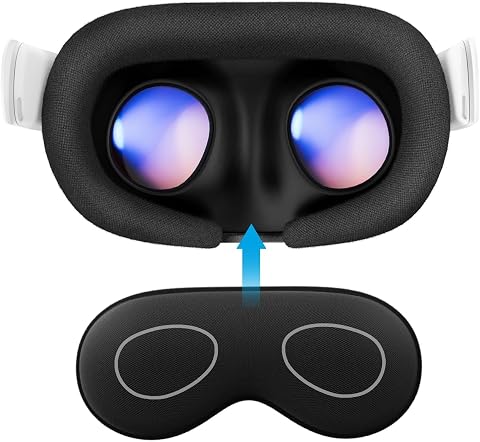
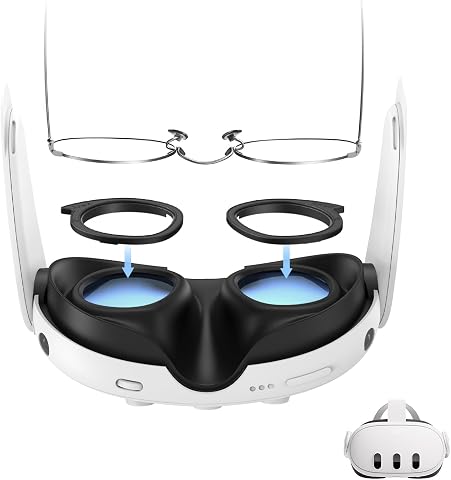
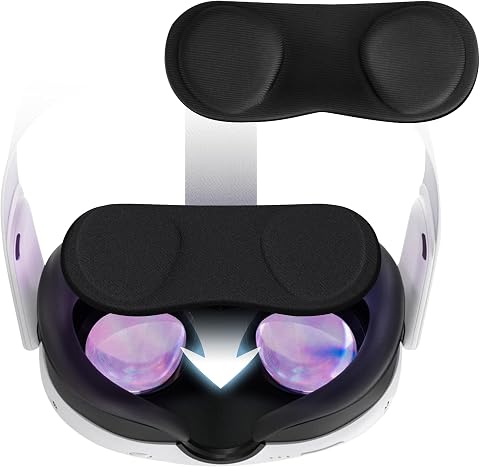
Complete the kit
Key Takeaways
- The highest resolution headsets like the Pimax Crystal offer superior visual clarity but come at a higher price and complexity.
- Standalone headsets such as the Meta Quest 3 provide convenience but may sacrifice some tracking accuracy compared to PC-tethered models.
- Build quality and comfort are often overlooked but are critical for long gaming sessions; premium options excel here.
- Price ranges vary widely, with budget models suitable for casual or new users, while premium headsets cater to immersive experiences and professional use.
- Compatibility and setup complexity differ; some headsets work best with specific hardware or require additional accessories.
| DPVR E4 PC VR Headset, Virtual Reality Headset for PC, SteamVR, 120Hz |  | Best Overall for Versatile PC VR Experiences | Resolution: 3664 x 1920 | Display Type: LCD | Field Of View: 116° | VIEW ON AMAZON | See Our Full Breakdown |
| HTC Vive Pro Focus Plus 6DOF VR Headset in Almond White Bundle |  | Best for Standalone VR with Complete Accessories | Color: Almond White | Degrees of Freedom: 6DOF | Includes: Headset, controllers, face cushion, charger, USB-C cable | VIEW ON AMAZON | See Our Full Breakdown |
| Meta Quest Pro Headset with Virtual Reality Field Trips 1-Month Subscription |  | Best for Mixed Reality and Educational VR | Storage: 256 GB | RAM: 12 GB | Sensors: 10 VR/MR sensors | VIEW ON AMAZON | See Our Full Breakdown |
| Meta Quest 3 512GB Virtual Reality Headset with Gorilla Tag Bundle |  | Best for High-Resolution Untethered Gaming | Storage: 512GB | Display: 4K+ Infinite Display | Processor: Snapdragon XR2 Gen 2 | VIEW ON AMAZON | See Our Full Breakdown |
| Meta Quest 3S 128GB Virtual Reality Headset (Renewed Premium) |  | Best for Budget-Conscious Untethered VR | Storage Capacity: 128GB | Battery Life: 2+ hours | Processor: Snapdragon XR2 Gen 2 | VIEW ON AMAZON | See Our Full Breakdown |
| Oculus Rift S PC-Powered VR Gaming Headset |  | Best Overall VR Headset for PC Gaming | Display: Next-generation lenses with sharper display | Tracking: Oculus Insight room-scale tracking | Controllers: Updated Oculus Touch controllers | VIEW ON AMAZON | See Our Full Breakdown |
| Oculus Quest 2 128GB All-in-One VR Headset – White |  | Best Value for Standalone VR Gaming | Storage Capacity: 128GB | Display Resolution: 1832 x 1920 pixels per eye | Processor: Blazing-fast processor | VIEW ON AMAZON | See Our Full Breakdown |
| HTC Vive XR Elite with Deluxe Pack – Mixed Reality and PC VR Headset + Controllers |  | Best Mixed Reality and PC VR Hybrid | Resolution: 3840 x 1920 | Field of View: 110° | Refresh Rate: 90Hz | VIEW ON AMAZON | See Our Full Breakdown |
| Meta Quest 3S 128GB Virtual Reality Headset with Gorilla Tag Bundle |  | Best Wireless VR with Enhanced Graphics | Storage: 128GB | Processor: Snapdragon XR2 Gen 2 | Memory: 8GB RAM | VIEW ON AMAZON | See Our Full Breakdown |
| Pimax Crystal Super VR Headset, 3840×3840 per Eye, Ultrawide, 140° FOV, Eye-Tracking, PC Compatible |  | Best for Ultra-Wide FOV and High-Resolution Experiences | Resolution: 3840×3840 per eye | Field of View: 140° | Display Technology: QLED & Mini-LED with Local Dimming | VIEW ON AMAZON | See Our Full Breakdown |
| HTC Vive Focus Vision — Mixed Reality and PC VR Headset with Controllers |  | Best for Versatile Mixed Reality and High-Resolution PC VR | Display Resolution: 2448 x 2448 pixels per eye | Field of View: up to 120° | Refresh Rate: 90 Hz | VIEW ON AMAZON | See Our Full Breakdown |
More Details on Our Top Picks
DPVR E4 PC VR Headset, Virtual Reality Headset for PC, SteamVR, 120Hz
The DPVR E4 earns its spot as the best overall choice for PC gamers seeking immersive visuals without breaking the bank. Its high-resolution display with 3664 x 1920 pixels combined with adjustable refresh rates up to 120Hz makes fast-paced gaming feel smooth and responsive. The flip-up design offers quick transition between virtual worlds and reality, a feature not all headsets have, providing convenience for multitasking or quick breaks. Compared to the Meta Quest 3, which excels in untethered freedom, the E4’s wired connection ensures lower latency and more stable performance, ideal for serious gaming. However, its reliance on a powerful PC and compatibility limits flexibility. This pick is perfect for dedicated PC gamers who prioritize visual fidelity and responsive tracking, but those seeking wireless freedom might prefer other options.
Pros:- High-resolution display with immersive visuals
- Adjustable refresh rates for smoother gameplay
- Flip-up design allows easy transition between virtual and real environments
Cons:- Requires a powerful PC with specific hardware
- Limited to SteamVR applications, reducing flexibility
Best for: PC gamers with a high-end setup who want immersive visuals and precise tracking
Not ideal for: Casual players or those who prefer wireless headsets with standalone operation
- Resolution:3664 x 1920
- Display Type:LCD
- Field Of View:116°
- Refresh Rate:72Hz, 90Hz, 120Hz
- Weight:285g
- Tracking:6DoF
Our verdict“This headset suits serious PC gamers seeking high-quality visuals and precise tracking, provided they have a capable PC.”
HTC Vive Pro Focus Plus 6DOF VR Headset in Almond White Bundle
The HTC Vive Pro Focus Plus stands out for users who want a self-contained VR experience without the hassle of wires or external sensors. Its 6DoF tracking enables immersive movement, making it suitable for both gaming and professional applications. The included bundle, with controllers, face cushion, and charger, offers excellent value for those who want an all-in-one package. Unlike the Meta Quest Pro, which emphasizes mixed reality and advanced features, the Focus Plus is more straightforward, making it ideal for users new to VR or those who prefer a dedicated device. Its limited display details and unknown tracking precision can be a drawback for competitive gamers, however. This headset is best for users seeking a complete, standalone VR package without needing a high-end PC.
Pros:- Standalone device with 6DoF for immersive movement
- Complete bundle with controllers and accessories
- Comfortable face cushion for extended use
Cons:- Lacks detailed info on display resolution and tracking precision
- No PC connectivity, limiting high-end customization
Best for: VR newcomers or professionals seeking a self-contained, all-in-one experience
Not ideal for: Gamers requiring the highest display resolution or custom PC integration
- Color:Almond White
- Degrees of Freedom:6DOF
- Includes:Headset, controllers, face cushion, charger, USB-C cable
Our verdict“Ideal for users seeking a hassle-free, standalone VR headset with all necessary accessories included.”
Meta Quest Pro Headset with Virtual Reality Field Trips 1-Month Subscription
The Meta Quest Pro offers a compelling mix of high-resolution visuals, mixed reality passthrough, and multitasking, making it stand out for educational and professional VR use. Its advanced sensors and controllers, along with 12 GB of RAM, deliver precise hand tracking and immersive environments. The inclusion of a 12-month subscription to VR field trips extends its value beyond gaming, appealing to educators or learners. Compared with the Meta Quest 3, the Pro emphasizes mixed reality and productivity, which might limit its appeal to pure gamers. Its high hardware costs and subscription model are downsides for casual users. This headset is best suited for those integrating VR into learning, training, or collaborative projects, rather than traditional gaming.
Pros:- Immersive mixed reality passthrough with full-color sensors
- Advanced controllers with self-tracking cameras
- Includes a year of educational VR content
Cons:- High hardware price may be prohibitive
- Limited focus on traditional gaming experiences
Best for: Educational institutions, professionals, or learners integrating VR for training or collaboration
Not ideal for: Casual gamers seeking straightforward gaming experiences without additional subscriptions
- Storage:256 GB
- RAM:12 GB
- Sensors:10 VR/MR sensors
Our verdict“Best for users who want a high-end mixed reality experience coupled with educational content and collaboration tools.”
Meta Quest 3 512GB Virtual Reality Headset with Gorilla Tag Bundle
The Meta Quest 3 redefines untethered VR with a stunning 4K+ resolution and powerful Snapdragon XR2 Gen 2 processor, making it a top choice for immersive gaming. Its portability and wireless freedom outperform wired alternatives like the DPVR E4 when mobility is a priority. The inclusion of a Gorilla Tag bundle and a 3-month game trial adds significant value for casual to mid-level gamers. However, the headset’s battery life of just over two hours and potential discomfort during long sessions can be limiting for extended play. While it lacks the raw display resolution of some wired headsets, its ease of use and freedom of movement make it ideal for casual and social VR gaming.
Pros:- High-resolution 4K+ display for stunning visuals
- Wireless, untethered experience for unrestricted movement
- Includes exclusive bundle items and a 3-month game trial
Cons:- Limited battery life for extended sessions
- Headset weight may cause discomfort over long periods
Best for: Casual gamers and social VR enthusiasts seeking untethered freedom and high-quality visuals
Not ideal for: Hardcore gamers who require the absolute highest resolution or prolonged use without charging
- Storage:512GB
- Display:4K+ Infinite Display
- Processor:Snapdragon XR2 Gen 2
- RAM:8GB
- Battery Life:2+ hours
- Cameras:Dual RGB color cameras
Our verdict“Perfect for casual gamers who prioritize mobility and high-quality visuals without the constraints of wires.”
Meta Quest 3S 128GB Virtual Reality Headset (Renewed Premium)
The Meta Quest 3S provides untethered VR with solid performance at a more accessible price point, making it suitable for casual users or those new to VR. Its Snapdragon XR2 Gen 2 processor ensures responsive graphics, comparable to the Meta Quest 3, with the added benefit of wireless freedom. The 128GB storage limits the number of games and apps, but for light or moderate use, it’s sufficient. The headset’s battery life of over two hours supports casual gaming sessions, though frequent charging is necessary for longer playtimes. Being a renewed product, it offers a cost-effective entry into untethered VR but comes with some uncertainty about longevity. This headset makes sense for new users or those wanting portable VR without high investment.
Pros:- Wireless, untethered VR experience for greater freedom
- Solid performance with Snapdragon XR2 Gen 2 processor
- Includes a 3-month trial for over 40 games
Cons:- Limited 128GB storage, restricting app capacity
- Battery life may be insufficient for longer gaming sessions
Best for: Beginners or casual users seeking affordable, untethered VR with decent performance
Not ideal for: Hardcore gamers or users demanding maximum storage and extended play sessions
- Storage Capacity:128GB
- Battery Life:2+ hours
- Processor:Snapdragon XR2 Gen 2
- Cameras:Dual RGB color cameras
Our verdict“Best suited for newcomers or casual users wanting affordable, wireless VR with decent capabilities.”
Oculus Rift S PC-Powered VR Gaming Headset
The Oculus Rift S stands out for its large library of VR titles and improved optics that deliver vivid visuals, making it a strong choice for dedicated PC gamers who want an immersive experience without external sensors. Its Oculus Insight tracking system offers room-scale capabilities, rivaling the Vive XR Elite’s mixed reality features, but without the need for external base stations. However, its reliance on a Facebook account and potentially high PC requirements are notable tradeoffs. Compared to the Pimax Crystal, the Rift S offers less expansive FOV but compensates with smoother, more accessible setup and broader game support.
Pros:- Large library of VR games and exclusives
- Enhanced optics for vivid, colorful visuals
- Comfortable ergonomic design for long sessions
- Precise motion tracking without external sensors
Cons:- Requires a Facebook account for login
- Potential high system requirements for optimal performance
Best for: PC gamers seeking an easy-to-set-up, immersive VR experience with a large content library
Not ideal for: Players who prioritize high fidelity visuals with ultra-wide FOV or advanced mixed reality features, as it offers more modest specifications in those areas
- Display:Next-generation lenses with sharper display
- Tracking:Oculus Insight room-scale tracking
- Controllers:Updated Oculus Touch controllers
- Design:Halo headband with quick fit wheel
- Platform:PC-powered VR
- Account Requirement:Facebook account required
Our verdict“This headset is ideal for dedicated PC gamers who want a straightforward, comfortable VR experience with a broad game library.”
Oculus Quest 2 128GB All-in-One VR Headset – White
The Oculus Quest 2 offers an impressive standalone VR experience with a high-resolution display and easy wireless setup, making it perfect for casual gamers or those new to VR who want hassle-free play. Its ability to connect to a PC via Oculus Link broadens its appeal, although that feature requires a separate cable and may involve additional setup complexity. Compared with the Rift S, the Quest 2 provides true untethered freedom, but sacrifices some visual fidelity and tracking precision. For users who prioritize simplicity and portability over the absolute highest graphics quality, the Quest 2 is a compelling choice.
Pros:- High-resolution display for immersive visuals
- Wireless, easy setup without a PC or console
- Comfortable controllers with better ergonomics
- Access to a wide range of VR content
Cons:- Facebook account required to use the device
- Oculus Link cable sold separately for PC VR
- Battery life varies with use
Best for: Newcomers or casual gamers seeking an easy, portable VR setup with optional PC connectivity
Not ideal for: Hardcore VR enthusiasts who demand the best graphics and tracking accuracy, as the Quest 2’s standalone experience has limitations compared to tethered headsets like the Rift S or Pimax Crystal
- Storage Capacity:128GB
- Display Resolution:1832 x 1920 pixels per eye
- Processor:Blazing-fast processor
- Controller Grip Material:Silicone
- Included Accessories:Two touch controllers, charging cable, batteries
- Wireless Internet Required:Yes
Our verdict“This headset is perfect for newcomers and casual users who want a portable, simple VR experience with the option for PC connection.”
HTC Vive XR Elite with Deluxe Pack – Mixed Reality and PC VR Headset + Controllers
The HTC Vive XR Elite excels with its high-resolution display, wide 110° FOV, and mixed reality capabilities, making it well-suited for users interested in both immersive gaming and augmented reality experiences. Its standalone design with a swappable battery offers longer use, comparable to the Meta Quest 3S’s untethered flexibility, but with more advanced mixed reality features. Unlike the Pimax Crystal, which emphasizes ultra-wide FOV and high-fidelity visuals, the XR Elite balances high-quality graphics with mixed reality tech, though its battery life and price might limit extended sessions for some.
Pros:- High-resolution graphics with immersive detail
- Standalone design with swappable battery
- Mixed reality passthrough with depth sensing
- Wide field of view for immersive experiences
Cons:- Limited battery life for long sessions
- Hand-tracking features depend on VR titles and setup
- Higher price point
Best for: Advanced VR users interested in mixed reality, extended play, and high-resolution graphics without external sensors
Not ideal for: Budget-conscious newcomers or casual gamers who prioritize simplicity over advanced features, due to its higher cost and complex setup
- Resolution:3840 x 1920
- Field of View:110°
- Refresh Rate:90Hz
- Battery Life:Up to 2 hours
- Adjustments:Stepless IPD and diopter
- Field of View Cameras:4 wide
Our verdict“This headset suits experienced VR users who want high-fidelity mixed reality and standalone flexibility in one device.”
Meta Quest 3S 128GB Virtual Reality Headset with Gorilla Tag Bundle
The Meta Quest 3S offers a compelling wireless VR experience, boasting enhanced graphics, faster load times, and a generous 128GB of storage. Its full-color Passthrough and improved battery life make it ideal for immersive, untethered gameplay, especially with the Gorilla Tag bundle that appeals to active, motion-focused players. While it’s more expensive than the Quest 2, the Quest 3S’s improved features make it better suited for those who want premium wireless performance and a richer visual experience. Compared to the Rift S, it sacrifices some PC tethered precision but gains portability and convenience.
Pros:- Wireless untethered VR experience
- Enhanced graphics and faster load times
- Includes exclusive Gorilla Tag bundle and 3-month trial
- Improved battery life and full-color Passthrough
Cons:- Battery life may be limited for extended use
- Higher price point for premium features
- Requires understanding of VR setup for optimal experience
Best for: Wireless VR enthusiasts who want immersive, untethered gameplay with active motion titles
Not ideal for: Players seeking the highest possible visual fidelity or PC-based VR, as the Quest 3S’s standalone nature has some limitations in graphics compared to high-end tethered headsets
- Storage:128GB
- Processor:Snapdragon XR2 Gen 2
- Memory:8GB RAM
- Battery Life:2+ hours
- Cameras:Dual RGB color cameras
Our verdict“This headset is ideal for active, wireless VR users who value portability and improved visuals over absolute PC-level fidelity.”
Pimax Crystal Super VR Headset, 3840×3840 per Eye, Ultrawide, 140° FOV, Eye-Tracking, PC Compatible
The Pimax Crystal offers exceptional visual clarity with 3840×3840 resolution per eye and a sweeping 140° field of view, making it the top choice for flight and racing enthusiasts seeking edge-to-edge sharpness and a broad peripheral view. Its eye-tracking enhances interaction, and the high-quality display technology ensures vibrant, realistic visuals. Compared with the Oculus Rift S, the Pimax provides a much wider FOV, but its high hardware demands and premium price tag make it less suitable for casual or less tech-savvy users. If you prioritize ultra-high resolution and wide FOV over simplicity, this headset delivers unmatched immersion.
Pros:- Ultra-high resolution for sharp, detailed visuals
- Expansive 140° FOV for peripheral awareness
- Eye-tracking and high-fidelity display technology
- Balanced, comfortable design for long sessions
Cons:- High hardware requirements for optimal performance
- Expensive compared to more mainstream options
- Limited compatibility outside high-end PCs
Best for: Power users and enthusiasts demanding ultra-wide FOV and top-tier visual fidelity for simulation or immersive gaming
Not ideal for: Casual gamers or those with limited PC hardware, due to its high system requirements and cost
- Resolution:3840×3840 per eye
- Field of View:140°
- Display Technology:QLED & Mini-LED with Local Dimming
- Refresh Rate:90Hz (and beyond)
- Eye-Tracking:Yes
- Connectivity:DisplayPort
Our verdict“This headset is tailored for advanced users who want the broadest FOV and highest resolution for simulation and immersive experiences.”
HTC Vive Focus Vision — Mixed Reality and PC VR Headset with Controllers
The HTC Vive Focus Vision stands out for its impressive 2448 x 2448 pixel per eye resolution and a wide 120° field of view, making it ideal for immersive gaming and mixed reality experiences. Unlike the Oculus Quest 2, which is primarily an all-in-one headset, the Focus Vision offers seamless support for both standalone use and PC VR via DisplayPort and Ethernet, giving it a flexible edge. Its advanced eye, hand, face, and body tracking enables more realistic interactions, surpassing simpler controllers in the DPVR E4. However, this versatility comes with a more complex setup process and a higher cost, especially for users who don’t need mixed reality or such high-end tracking. The hot-swappable battery is a definite plus for extended sessions, but the multiple connectivity options might be intimidating for newcomers. Overall, this headset suits users who want a premium, multi-purpose VR experience without sacrificing quality or immersion.
Pros:- High-resolution 2448 x 2448 pixel per eye display for crisp visuals
- Advanced eye and hand tracking for realistic interactions
- Supports both standalone and PC VR experiences for versatility
- Hot-swappable battery for extended gaming sessions
Cons:- Complex setup due to multiple connectivity options
- Higher price point compared to simpler VR headsets
- Requires a compatible PC or robust network setup
Best for: VR enthusiasts who want a hybrid mixed reality and PC VR headset with high-resolution displays and advanced tracking.
Not ideal for: Casual gamers or beginners who prefer a simple, plug-and-play setup without the complexity of multiple connection options.
- Display Resolution:2448 x 2448 pixels per eye
- Field of View:up to 120°
- Refresh Rate:90 Hz
- Tracking:Eye, hand, face, and body tracking
- Connectivity:Wi-Fi, Ethernet, DisplayPort
- Battery:Hot-swappable with reserve front battery
- Audio:3D spatial audio with dual-driver speakers
- Compatibility:VIVEPORT, SteamVR
Our verdict“This headset is best suited for dedicated VR users seeking a high-quality mixed reality experience with flexible usage options.”

How We Picked
To select these VR headsets, I focused on key factors that impact gaming performance and user experience. Performance criteria included display resolution, tracking accuracy, and refresh rate, which directly influence immersion and responsiveness. Usability aspects such as comfort, setup complexity, and compatibility with PC hardware were also considered, ensuring the options cater to both casual and dedicated gamers. Value was assessed by weighing features against price, highlighting options that offer the best bang for the buck. Finally, I prioritized models with recent updates or strong user reviews to reflect current market offerings and reliability, resulting in a ranking that balances performance, affordability, and user needs.Factors to Consider When Choosing Vr Headset For Pc Gaming
Choosing a VR headset for PC gaming involves several critical considerations. Beyond just specs, understanding how each factor affects your experience can prevent costly mistakes and ensure you select a headset that aligns with your gaming style and setup. The right choice depends on your budget, desired immersion level, and whether you prioritize ease of use or technical features. Here are key factors to keep in mind:Display Resolution and Visual Clarity
Higher resolution displays provide sharper images and reduce screen-door effect, enhancing immersion. However, increased resolution demands more from your PC’s graphics card, which can impact frame rates. Balancing resolution with your PC’s capabilities is crucial; opting for a super-high-res headset without a powerful GPU may lead to lag and motion sickness. Consider your gaming preferences—if visual fidelity is a priority, investing in higher-end models like the Pimax Crystal is worthwhile, but for casual play, mid-range options often suffice.
Tracking Accuracy and Latency
Accurate tracking ensures your movements are precisely reflected in the virtual environment, which is vital for immersive gameplay. PC-tethered headsets generally offer superior tracking compared to standalone models, but advancements in standalone tracking are closing the gap. Look for headsets with 6DoF (six degrees of freedom) support and high refresh rates, which reduce latency. Inaccurate or laggy tracking can break immersion and cause motion sickness, so this factor should be prioritized if you play fast-paced or physically active games.
Comfort and Fit
Comfort is often overlooked but makes a significant difference during extended gaming sessions. Headsets with adjustable straps, balanced weight distribution, and breathable padding tend to be more comfortable. Premium models often feature better ergonomics and materials that reduce fatigue. Conversely, cheaper options may cause discomfort or pressure points, making long-term use unpleasant. Trying on different models or reading detailed reviews can help predict how well a headset will fit your head shape.
Compatibility and Setup
Not all headsets are compatible with every PC setup—consider your graphics card, available ports, and space. Some headsets require external sensors or base stations, adding complexity and setup time, while others are plug-and-play. Compatibility with your existing hardware can influence both performance and ease of use. Additionally, consider the software ecosystem; some headsets have access to exclusive titles or better integration with platforms like SteamVR or Oculus Store. Ensuring compatibility now prevents frustration later.
Price and Value
VR headsets span a wide price range, from budget options to high-end systems. Cheaper models may lack features like high resolution, precise tracking, or comfort, but they can still offer a solid experience for casual gaming. Higher-priced headsets tend to provide better visuals, tracking, and build quality, which justify their cost for dedicated gamers. Evaluate what features are non-negotiable for your gaming style and set a budget accordingly. Remember, investing in a quality headset can also extend its lifespan and improve your overall experience.
Frequently Asked Questions
Can I use a standalone VR headset for PC gaming?
Many standalone VR headsets, like the Meta Quest 3, can connect to a PC via Oculus Link or similar features, enabling access to PC VR titles. However, this setup often requires a high-quality USB cable or wireless connection and a capable PC with a good GPU. While convenient, standalone headsets may not match the performance of dedicated PC-tethered models, especially in tracking precision and graphics fidelity. That said, for casual or mixed-use gaming, they offer a versatile option that reduces setup complexity.
Is higher resolution always better for PC VR gaming?
Higher resolution generally improves visual clarity, making games more immersive and reducing the screen-door effect. However, it also demands more from your PC’s graphics card, which can lead to lower frame rates if your hardware isn’t sufficient. Lower frame rates can cause motion sickness and reduce responsiveness, negatively impacting gameplay. Balancing resolution with your hardware’s capabilities is key. For most gamers, a resolution that offers good clarity without sacrificing smooth performance provides the best overall experience.
How important is comfort for long gaming sessions?
Comfort significantly impacts your ability to enjoy extended VR gaming sessions. A headset that fits well and distributes weight evenly prevents fatigue and discomfort, allowing you to focus on gameplay. Poor ergonomics can cause headaches, pressure points, or overheating, which detracts from immersion. Investing in a model with adjustable straps, quality padding, and lightweight materials can make a noticeable difference. Remember, comfort barriers often lead to shorter playtime, so prioritize ergonomics if you plan to game for hours at a stretch.
Should I prioritize tracking features or display quality?
Both are important, but your choice depends on your gaming style. Precise tracking is essential for fast-paced or physically active games, where responsiveness matters. Display quality, on the other hand, enhances immersion through sharper visuals and fewer visual artifacts. If you mainly play slow-paced or seated games, display quality might take precedence. However, for a balanced experience—especially in action-heavy titles—aim for a headset that offers both high-resolution visuals and reliable tracking, even if that means spending more.
Are wired or wireless VR headsets better for PC gaming?
Wired headsets typically offer lower latency and more stable connections, which benefits fast-paced gaming and high-fidelity visuals. Wireless headsets provide greater freedom of movement, reducing cable clutter, but may introduce slight delays or connection issues if not using high-quality tech. The choice depends on your preferences—if you prioritize responsiveness and image quality, wired remains the standard; if comfort and mobility are more important, a wireless option like the Meta Quest 3 can be appealing, provided your PC and network support it well.
Conclusion
For most gamers seeking the best overall experience, the Meta Quest 3 offers an excellent blend of performance, versatility, and value, especially for those new to VR. If you want professional-grade tracking and visuals, the HTC Vive Pro Focus Plus makes sense despite its higher cost. Budget-conscious users or newcomers should consider the Oculus Quest 2 for its affordability and ease of use. High-end enthusiasts or those with powerful PCs might find the Pimax Crystal or HTC Vive XR Elite worth the investment for cutting-edge visuals and features. Your choice should reflect your gaming style, setup, and how much you’re willing to spend to enhance your virtual experiences.
Columbus Day / Indigenous Peoples' Day Picks
long weekend sales
As an affiliate, we earn on qualifying purchases.