

In 2025, traditional antivirus software alone isn’t enough to keep you safe. Cyber threats have become more sophisticated, using AI, zero-day exploits, and polymorphic malware that can evade signature-based detection. You need layered defenses like behavioral analysis, AI-powered threat detection, and device security features. While antivirus remains part of your protection plan, combining it with newer technologies and user awareness is essential. To find out more about staying protected today, keep exploring the latest security strategies.
Key Takeaways
- Traditional signature-based antivirus alone is insufficient against AI-driven, polymorphic, zero-day threats in 2025.
- Modern cybersecurity relies on layered defenses, including behavioral analytics, AI-powered detection, and hardware security features.
- User behavior and proactive awareness remain critical to complement technical security measures.
- Advanced threat vectors like supply chain attacks and embedded malware require integrated, adaptive security solutions.
- Staying informed about evolving threats is essential for effective protection beyond basic antivirus software.
As an affiliate, we earn on qualifying purchases.
The Evolution of Cyber Threats in 2025
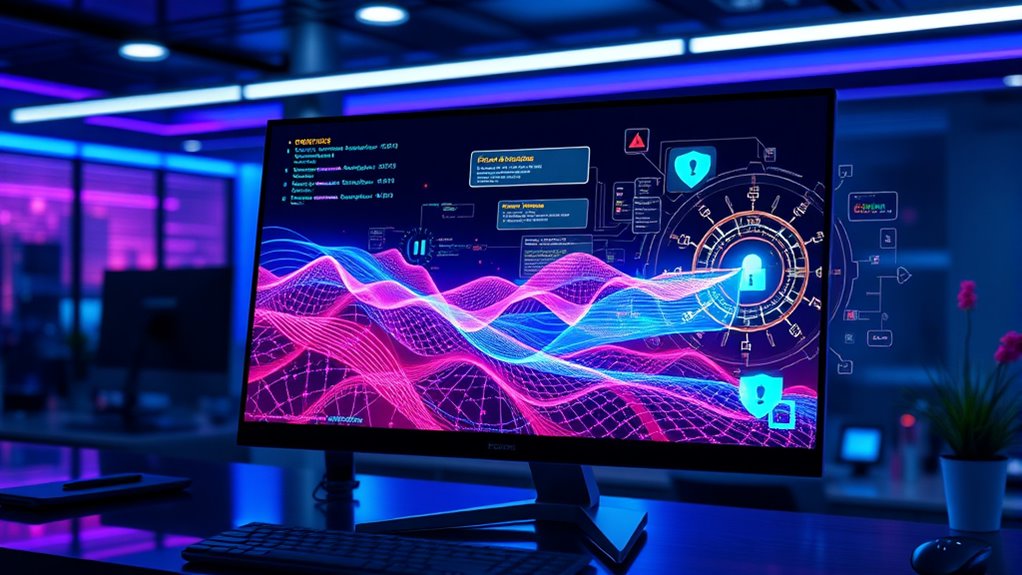
As cyber threats continue to evolve in 2025, attackers are becoming more sophisticated and resourceful. They leverage advanced techniques like AI-driven malware, zero-day exploits, and social engineering to bypass traditional defenses. These threats are often highly targeted, aiming at specific organizations or individuals, making detection even harder. Attackers now use encrypted channels and polymorphic malware that constantly change to avoid signature-based detection. They exploit vulnerabilities in cloud services and Internet of Things devices, broadening their attack surface. Phishing schemes are more convincing, often customized with personal data. As these threats grow in complexity, you need to stay vigilant and adapt your security measures to counteract increasingly clever and persistent cybercriminals. Additionally, cloud security has become crucial in defending against these evolving threats, especially as more organizations migrate critical data to cloud environments. Implementing advanced threat detection tools can help identify malicious activities that traditional security measures might miss. To effectively combat these threats, implementing comprehensive encryption solutions is essential for safeguarding sensitive information across all platforms.
behavioral analysis cybersecurity tools
As an affiliate, we earn on qualifying purchases.
As an affiliate, we earn on qualifying purchases.
Limitations of Traditional Antivirus Solutions

Traditional antivirus solutions, once the backbone of cybersecurity, now face significant limitations in matching the sophistication of modern threats. They primarily rely on signature-based detection, making them slow to identify new or evolving malware. This leaves gaps that cybercriminals can exploit. Additionally, traditional antiviruses often struggle with zero-day attacks and polymorphic malware that change their code to evade detection. They can also generate false positives, wasting your time and resources. Furthermore, many solutions don’t provide extensive protection against advanced persistent threats or insider attacks. As cyber threats grow more complex, these limitations mean traditional antivirus software can’t keep up on its own, creating vulnerabilities you need to address with more advanced security measures. Connected devices and integrated security solutions are increasingly important to provide comprehensive protection, especially as cyberattack techniques continue to evolve rapidly. In fact, the rise of cloud-based security further emphasizes the need for layered defenses beyond traditional antivirus programs. Incorporating behavioral analysis helps detect malicious activity that signature-based systems might miss, boosting overall security.
advanced threat detection software
As an affiliate, we earn on qualifying purchases.
As an affiliate, we earn on qualifying purchases.
Emerging Technologies in Cybersecurity
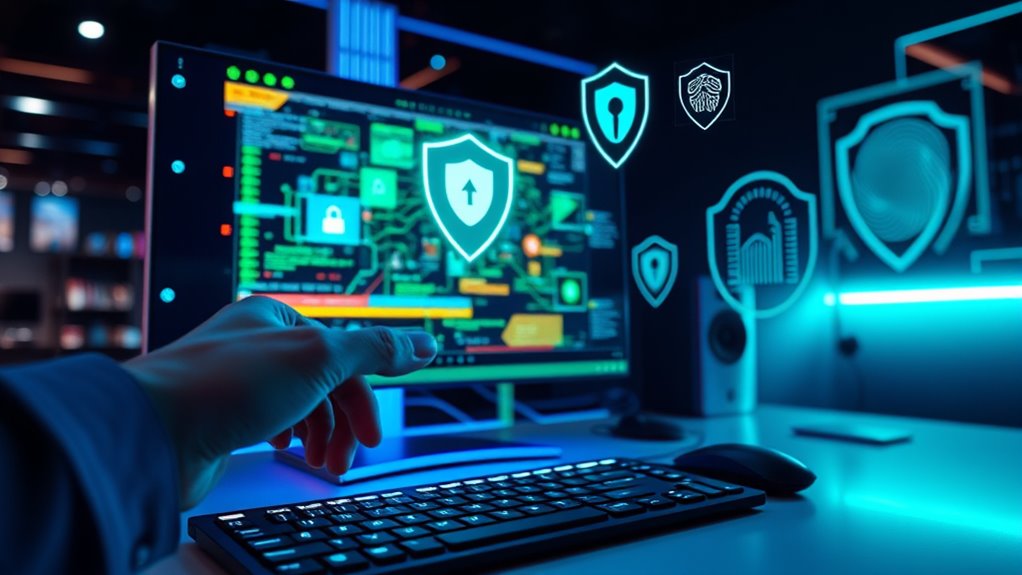
Emerging technologies are transforming cybersecurity by providing more proactive and adaptive defense mechanisms. You now have access to AI-powered threat detection that continuously learns from new attack patterns, making defenses smarter over time. Machine learning algorithms analyze vast amounts of data, identifying anomalies before they escalate into breaches. Additionally, behavioral analytics monitor user activity to flag suspicious actions instantly. behavioral analytics monitor user activity to flag suspicious actions instantly. Blockchain technology enhances security by ensuring data integrity and creating tamper-proof records. Other innovations like deception technology lure attackers away from valuable assets, giving you more control. These advancements allow you to respond faster, predict threats more accurately, and reduce reliance on traditional signature-based methods. Real-time monitoring allows organizations to react instantly to emerging threats, further strengthening cybersecurity resilience. Incorporating automated response systems can also significantly improve reaction times to cyber threats. As cyber threats evolve, staying ahead with these emerging tools becomes vital for your cybersecurity resilience. Moreover, integrating threat intelligence sharing enhances collective defense by enabling organizations to stay informed about new attack vectors.
As an affiliate, we earn on qualifying purchases.
Integrated Security Approaches for Modern Devices

Integrating advanced cybersecurity tools directly into modern devices creates a more cohesive defense system that adapts seamlessly to evolving threats. This approach combines hardware and software security measures, reducing gaps that hackers often exploit. You benefit from real-time threat detection, automatic updates, and embedded encryption that protect data at every point. These integrated solutions often include biometric authentication, secure boot processes, and hardware-based encryption modules, making breaches more difficult. By embedding security within devices, you eliminate reliance solely on external software, creating a unified defense. This method streamlines security management, minimizes user error, and ensures continuous protection without extra steps. Integrated security features further enhance resilience against cyberattacks by unifying multiple protective layers, including hardware security that provides an additional obstacle for intruders. Additionally, the integration of AI-driven threat detection enhances the system’s ability to identify and respond to emerging cyber threats in real time. Moreover, well‑sourced coverage of these integrated security measures ensures that users and organizations stay informed about the most effective practices and innovations in device security. Incorporating automated updates ensures that devices remain protected against the latest vulnerabilities without requiring manual intervention.
The Role of User Behavior and Awareness

While advanced security tools are essential, user behavior and awareness play a critical role in maintaining digital safety. Your choices, like clicking unknown links or downloading unverified files, can expose you to threats even with strong security software in place. Staying informed about the latest scams and phishing tactics helps you recognize suspicious activity before it causes harm. Regularly updating passwords, avoiding repetitive use across sites, and enabling two-factor authentication add extra layers of protection. Being cautious with public Wi-Fi and backing up important data also reduce risks. Additionally, understanding free floating concepts can help you better navigate online safety challenges. Moreover, knowing how to Status your devices and accounts ensures you are aware of any unusual activity early, further enhancing your security efforts. Recognizing the importance of user vigilance in cybersecurity underscores that technology alone cannot guarantee safety. Ultimately, your proactive habits and vigilance are key to defending against cyber threats, complementing technical defenses and minimizing vulnerabilities in your digital environment.
Cost-Benefit Analysis of Antivirus Investment

Investing in antivirus software involves weighing the costs against the potential benefits of preventing cyber threats. You need to think about whether the protection it offers justifies the expense. The costs include subscription fees, system performance impact, and occasional updates. On the other hand, the benefits include safeguarding sensitive data, avoiding costly breaches, and maintaining your reputation. Here are key points to consider:
- Reduced risk of data theft and financial loss
- Protection against malware, ransomware, and phishing
- Minimizing downtime and productivity loss
- Peace of mind knowing your system is monitored
- Potential legal compliance benefits
- Understanding cybersecurity threats can help you better assess your cybersecurity needs. Staying informed about wave and wind threats can also assist in developing a comprehensive security strategy. Regular updates to security protocols are essential to adapt to evolving threat landscapes and ensure ongoing protection. Additionally, being aware of emerging cyberattack techniques can help you implement proactive defenses and stay ahead of malicious actors.
Future Trends in Digital Protection

As cyber threats continue to evolve rapidly, you need to stay ahead with the latest security measures. Advanced technologies like AI-driven detection and behavioral analytics are shaping the future of digital protection. Staying informed about these trends helps you better defend your digital assets against emerging risks.
Evolving Threat Landscape
The threat landscape is evolving rapidly, driven by advances in technology and the increasing sophistication of cybercriminals. You face more complex attacks that adapt quickly, making traditional defenses less effective. Cybercriminals now use AI to craft convincing phishing emails, automate malware deployment, and exploit vulnerabilities faster than ever. Ransomware attacks target critical infrastructure, while supply chain breaches compromise trusted vendors. Zero-day exploits remain a major concern, often going undetected for months. Additionally, malware is increasingly embedded in seemingly harmless files, making detection harder. Staying ahead means understanding these trends and recognizing that threats are becoming more personalized, relentless, and difficult to combat without evolving strategies. Your defense must adapt to this dynamic, ever-changing threat landscape.
Advanced Security Technologies
Emerging security technologies are reshaping how organizations defend against cyber threats, offering smarter, more proactive protections. You’ll see the rise of AI-powered security systems that analyze patterns and detect anomalies faster than traditional methods. Machine learning models continuously adapt, identifying new attack methods before they cause damage. Behavioral analytics monitor user activity in real time, flagging suspicious actions instantly. Zero-trust architectures eliminate implicit trust, requiring verification at every access point. Threat intelligence platforms aggregate global data, helping you anticipate attacks before they happen. Additionally, biometric authentication and decentralized security measures enhance access control. These advancements mean you can stay ahead of cybercriminals with technologies that learn, adapt, and respond instantly—making traditional antivirus software just one part of a broader, more robust security strategy.
Frequently Asked Questions
How Do Ai-Powered Cybersecurity Tools Compare to Traditional Antivirus Software?
AI-powered cybersecurity tools generally outperform traditional antivirus software by detecting threats faster and more accurately. You benefit from real-time analysis, proactive threat identification, and adaptive learning that keeps up with evolving tactics. While traditional antivirus relies on known signature detection, AI tools analyze patterns and anomalies, offering stronger protection. To stay secure, consider integrating AI-driven solutions with your existing security measures for all-encompassing defense against sophisticated cyber threats.
Can Antivirus Software Effectively Detect Zero-Day Vulnerabilities in 2025?
A stitch in time saves nine, and antivirus software still plays a crucial role in detecting zero-day vulnerabilities in 2025. While it may not catch every new threat immediately, it provides an essential first line of defense, especially when combined with AI-powered tools. You should stay proactive, regularly update your software, and practice good cybersecurity habits to minimize risks. Relying solely on one solution isn’t enough; layered security remains key.
What Role Does Blockchain Technology Play in Modern Cybersecurity Solutions?
Blockchain technology plays a vital role in modern cybersecurity by providing decentralized, tamper-proof systems that enhance data integrity and security. You can use it to secure transactions, verify identities, and protect sensitive information from cyber threats. Its transparency makes it easier to detect fraud or unauthorized changes, giving you more control. As threats evolve, integrating blockchain helps you stay ahead with more robust, transparent, and secure digital solutions.
Are There Specific Industries That Still Rely Heavily on Traditional Antivirus Programs?
You’ll find that industries like healthcare, finance, and government still rely heavily on traditional antivirus programs. Despite advances in cybersecurity, these sectors handle sensitive data, making robust antivirus solutions essential for protection against malware and cyberattacks. Just like the floppy disk of the past, antivirus software remains a foundational tool, providing a vital line of defense. Without it, you risk exposing critical systems to potentially devastating breaches.
How Often Should Users Update Their Antivirus Software to Stay Protected?
You should update your antivirus software at least once a week to make certain you’re protected against the latest threats. Many providers release frequent updates, sometimes daily, to patch vulnerabilities and improve detection. Make sure your automatic updates are enabled so you don’t forget. Regularly checking for updates and installing them promptly keeps your system secure from new malware, viruses, and cyberattacks that evolve constantly.
Conclusion
In 2025, antivirus software remains essential, especially as 68% of cyberattacks target unaware users. While new security tools and smarter tech evolve, your awareness and good habits are just as crucial. Investing in antivirus protection offers peace of mind and a strong defense against emerging threats. Don’t overlook the importance of staying informed—your digital safety depends on it. Stay vigilant, and remember, a proactive approach keeps you one step ahead.