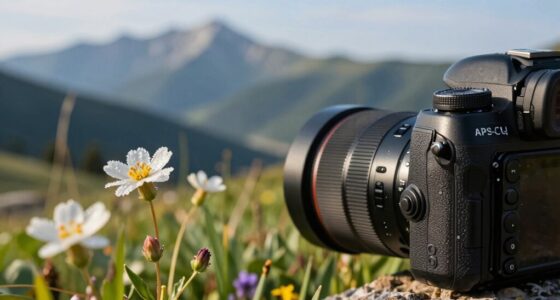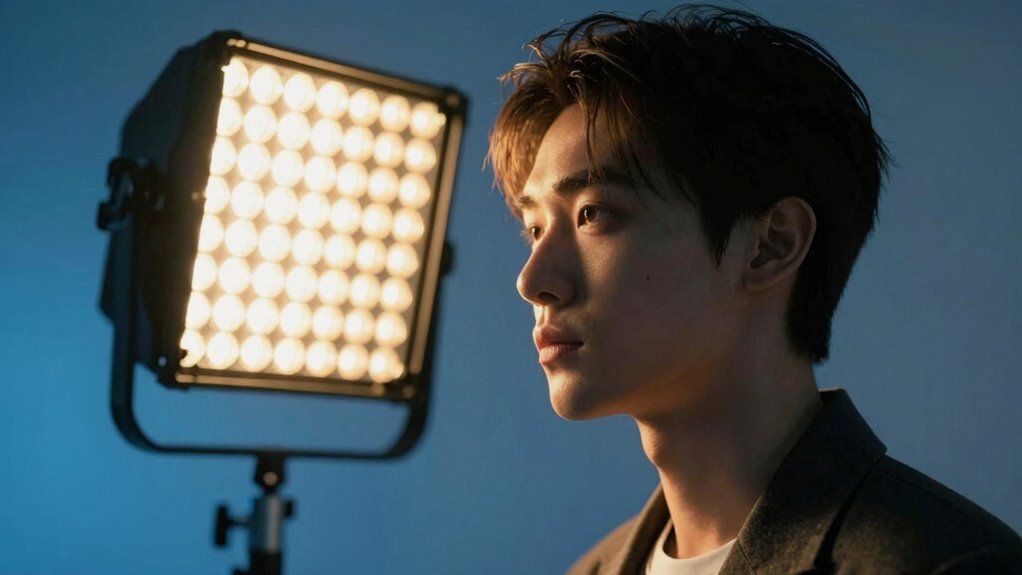

To instantly improve your video lighting, reposition your subject closer to natural light sources like windows or outdoors during golden hour. Use reflectors or diffusers to soften harsh shadows and control brightness. Adjust your camera’s white balance to match the lighting’s temperature, avoiding unnatural color casts. Making small tweaks in scene positioning or capturing during ideal times helps create a warm, vibrant look. Keep exploring these simple adjustments to elevate your footage even more.
Prime for Young Adults — start your free trial
Fast free delivery, streaming and member deals for eligible 18–24 year olds.
As an affiliate, we earn on qualifying purchases.
Key Takeaways
- Reposition subjects or camera angles to better utilize natural light and reduce shadows instantly.
- Adjust white balance or color temperature settings for a more accurate and appealing look.
- Use reflectors or diffusers to soften harsh sunlight and enhance overall lighting quality.
- Move closer to windows or outdoor light sources for brighter, more vibrant footage.
- Quickly modify scene elements to minimize overexposure and create balanced, flattering illumination.
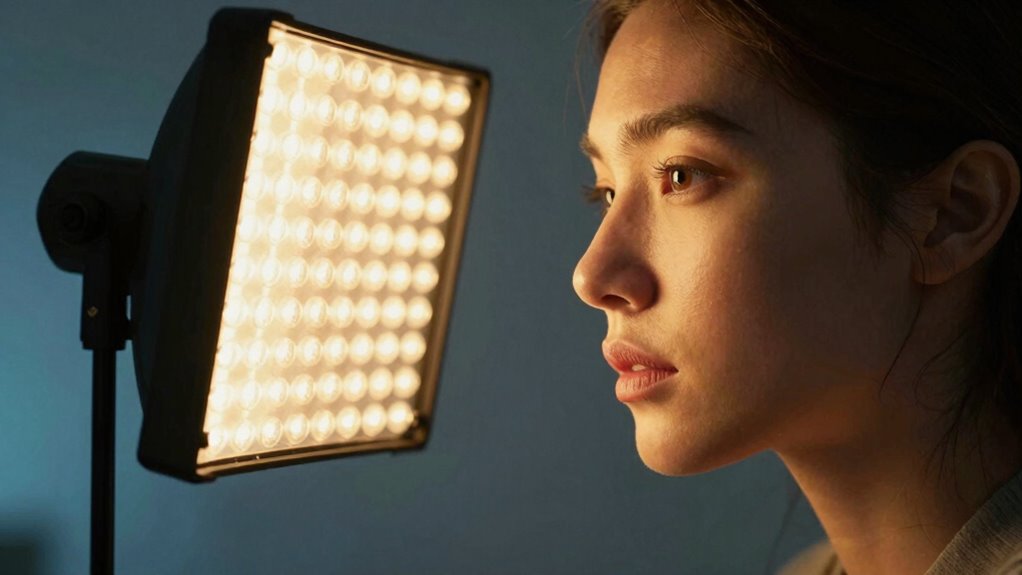
Good lighting can make or break your video, so understanding some key tips is essential for creating professional-looking footage. One of the most impactful changes you can make is improving the natural illumination in your scene. When you use sunlight or reflect natural light effectively, your footage instantly gains warmth, depth, and authenticity. Position your subject near windows or outdoors during the golden hour—the period shortly after sunrise or before sunset—when natural light is soft and flattering. This type of illumination reduces harsh shadows and gives your video a vibrant, realistic feel. However, you should be mindful of the direction and intensity of the sunlight, as too much direct light can cause overexposure, while too little can make your footage look dull. Balancing natural illumination with reflectors or diffusers helps you control brightness and soften shadows, making your scene more appealing and true to life. Additionally, understanding the interaction between natural light and scene elements can help you optimize your lighting setup for the best results. Recognizing how different surfaces reflect or absorb light can also influence how you position your scene for maximum effect, and paying attention to indoor and outdoor lighting conditions can help you make more informed decisions about when and where to shoot for optimal natural light. Being aware of the lighting environment allows you to adapt quickly and achieve better results in varying conditions. Incorporating knowledge about natural light behavior can further enhance your ability to predict and utilize light effectively during different times of the day.
Another vital aspect that influences how your footage appears is color temperature. This refers to the warmth or coolness of the light, which can dramatically change the mood and clarity of your video. When you understand and manipulate color temperature, you can create a consistent look that enhances your storytelling. For example, daylight has a cooler, bluish tone, whereas indoor lighting tends to be warmer and yellowish. If your camera’s white balance isn’t set correctly, your footage might look unnatural, with colors that don’t match the scene’s ambiance. Adjusting your camera’s white balance settings or using gels and filters helps you match the color temperature across different light sources, ensuring your footage maintains a professional, cohesive appearance. Paying attention to these elements allows you to craft a visual harmony that elevates your entire video.
Instant improvement happens when you pay attention to how natural illumination interacts with your scene and how you manage color temperature. Even small adjustments, like repositioning your subject to catch the best light or tweaking your camera settings, can make a significant difference. When your lighting aligns with the scene’s mood and looks natural, viewers feel more connected to your content. You avoid distractions caused by unflattering shadows, color casts, or uneven lighting. These tweaks are quick but powerful ways to elevate your video from amateur to polished. Good lighting isn’t just about brightness; it’s about creating the right atmosphere, emphasizing your subject, and making your footage visually appealing. Mastering natural illumination and color temperature gives you the tools to produce videos that look professional and mesmerizing, instantly transforming the quality of your content.
As an affiliate, we earn on qualifying purchases.
Frequently Asked Questions
How Does Lighting Affect Video Mood and Tone?
Lighting greatly influences your video’s mood and tone by shaping how viewers feel. High contrast lighting creates drama and intensity, while soft lighting promotes calmness. Adjusting color temperature can evoke warmth or coldness, affecting emotional impact. Bright, warm tones make scenes inviting, whereas cooler tones add a somber mood. By controlling lighting contrast and color temperature, you can instantly set the atmosphere, guiding viewers’ emotional response and enhancing your storytelling.
What Are Common Lighting Mistakes to Avoid?
Avoid common lighting mistakes like ignoring your lighting setup or mismatching color temperature. You might think placing lights randomly adds charm, but it just creates unflattering shadows or inconsistent tones. Don’t forget, a poor lighting setup can turn your masterpiece into a pixelated mess. Always check your color temperature and position lights thoughtfully. Otherwise, your video could look like a horror movie—scary, confusing, and utterly avoidable.
How Do I Choose the Right Lighting for Small Spaces?
To pick the right lighting for small spaces, focus on creating an ambient glow that brightens without overwhelming. Use soft, diffused lights and choose a color temperature around 2700K to 3000K for warmth and comfort. Avoid harsh, direct lighting that can make the space feel cramped. Adjust the brightness to suit your needs, and consider using adjustable fixtures to fine-tune the ambiance, making your small space feel cozy and inviting.
Can Natural Light Be as Effective as Artificial Lighting?
Natural light is like a gentle breeze, invigorating and dynamic, but it can vary in quality. While natural vs. artificial lighting each has strengths, natural light often provides soft, even illumination, making your video look authentic. However, artificial lighting offers consistent quality and control, especially in small spaces or low-light conditions. For the best results, combine both when possible, adjusting natural light to enhance your scene’s overall lighting quality.
How Often Should I Update My Lighting Equipment?
You should update your lighting equipment every 1 to 2 years to keep your videos looking professional. Regular lighting maintenance helps identify issues early, ensuring consistent quality. Upgrading equipment when new technology offers better brightness, color accuracy, or energy efficiency can dramatically improve your results. Staying current with lighting upgrades also prevents your setup from becoming outdated, helping you achieve instantly better, more dynamic video lighting that enhances your overall production quality.
As an affiliate, we earn on qualifying purchases.
Conclusion
By mastering quick lighting changes, you transform your videos from simple footage into mesmerizing stories. Think of lighting as the brushstrokes on your cinematic canvas—each adjustment paints a new mood or reveals a hidden detail. When you learn to change your lighting instantly, you hold the power to evoke emotion and guide your viewers’ hearts. So, keep experimenting, stay adaptable, and let your lighting shine as brightly as your creativity.
As an affiliate, we earn on qualifying purchases.
As an affiliate, we earn on qualifying purchases.
Fall yard work Picks
leaf blowers
As an affiliate, we earn on qualifying purchases.