

You stay loyal to one brand because its accessory ecosystems connect seamlessly, making switching complicated. When your devices work together smoothly, it’s harder to lose functionality or convenience. Proprietary systems and compatibility challenges add more barriers, while aesthetic consistency and familiar interfaces keep you comfortable. Over time, your investment deepens, and the hassle of switching grows. If you continue exploring, you’ll discover even how ecosystems subtly shape your choices and loyalty.
Key Takeaways
- Ecosystems create seamless, interconnected experiences that increase user dependency and make switching brands cumbersome.
- Proprietary systems and compatibility issues limit external accessory integration, discouraging brand switching.
- Deep investment in one brand’s ecosystem fosters loyalty and reliance, making transition costly and inconvenient.
- Visual and aesthetic consistency across products enhances user attachment and reinforces brand loyalty.
- Familiar interfaces and loyalty programs strengthen emotional bonds, reducing the incentive to switch brands.

Have you ever noticed how some brands create entire ecosystems around their accessories, making it hard to switch to competitors? Once you’ve invested in a brand’s lineup—be it headphones, chargers, or smart devices—you start to see how deeply these ecosystems run. It’s not just about one product anymore; it’s about the seamless experience that connects everything. This interconnected web pulls you in, and the more you add, the more challenging it becomes to switch to another brand without losing functionality or compatibility.
Ecosystems create seamless, interconnected experiences that make switching brands difficult and discourage compatibility with competitors.
Interoperability challenges are at the heart of why these ecosystems feel so tight-knit. When a brand designs accessories that work flawlessly together, it creates a smooth user experience. But this often comes at the expense of flexibility. As you add more products, you realize that switching to a different brand means sacrificing that ease of use. You may find yourself unable to connect your new device with existing accessories, or worse, facing compatibility issues that hinder performance. These challenges discourage you from leaving the ecosystem, reinforcing your brand loyalty even if you’re tempted by competitors’ offerings.
Ecosystem fragmentation is another key factor that keeps you locked in. When a brand’s accessories are tightly integrated into their proprietary systems, it creates a barrier to entry for third-party competitors. You may notice that accessories designed outside the brand’s ecosystem are often incompatible or require adapters, which adds inconvenience and costs. Over time, this fragmentation makes it more difficult to mix and match products, forcing you to stick with the original ecosystem to enjoy consistent functionality. It’s a strategic move by brands to control your experience and limit your options, encouraging you to stick with what they provide. Additionally, natural pools and landscaping designs are often used to create a cohesive backyard environment that complements the overall ecosystem, subtly reinforcing brand loyalty through aesthetic harmony. This concept of creating an aesthetic environment mirrors how branding and visual consistency enhance user attachment, making it harder to disengage from the brand’s environment. This strategic approach leverages interoperability challenges to deepen customer reliance on the ecosystem. In this context, ecosystem management plays a crucial role in maintaining the integrity of the interconnected system and discouraging external interference.
This sense of attachment is reinforced through brand loyalty programs and the familiarity of the interface, which further discourages switching. The more you use an ecosystem, the more intuitive it becomes, and that comfort level makes it even harder to contemplate alternatives. You’re not just buying a product; you’re investing in a thorough experience that’s designed to keep you connected within that brand’s universe. Additionally, technological compatibility plays a significant role in maintaining ecosystem loyalty, as it ensures that devices work together seamlessly. This creates a cycle where switching feels like more trouble than it’s worth, ensuring your continued loyalty.
In the end, accessory ecosystems are more than just convenient—they’re strategic. They leverage interoperability challenges and ecosystem fragmentation to deepen your reliance on a single brand, making it increasingly difficult to switch without losing the seamless experience you’ve come to expect. The result is a lock-in effect that keeps you loyal, often without you even realizing how deeply embedded you’ve become.
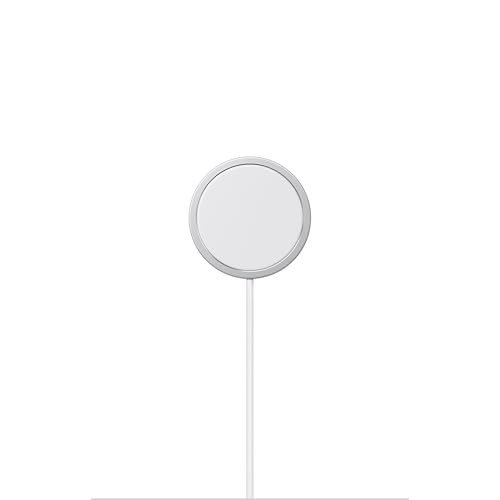
Apple MagSafe Charger (2 m): Wireless Charger with Fast-Charging Capability
The MagSafe Charger makes wireless charging a snap. The perfectly aligned magnets attach to compatible iPhone models. The…
As an affiliate, we earn on qualifying purchases.
As an affiliate, we earn on qualifying purchases.
Frequently Asked Questions
How Do Accessory Ecosystems Influence Consumer Purchasing Behavior Long-Term?
Accessory ecosystems influence your purchasing behavior long-term by reinforcing brand loyalty and increasing consumer retention. When you invest in accessories compatible with a specific brand, it creates a seamless experience that makes switching less appealing. This ecosystem keeps you engaged, as you’re more likely to buy additional accessories from the same brand, strengthening your loyalty and making it difficult to contemplate alternatives. Consequently, brands benefit from sustained customer commitment and ongoing sales.
Are Accessory Ecosystems More Common in Tech or Fashion Industries?
Accessory ecosystems are more common in tech industries, where seamless tech compatibility turns your devices into an unstoppable digital army. Imagine a world where your gadgets and accessories lock you in tighter than a vault. While fashion collaborations create buzz, they rarely achieve the deep integration seen in tech. Tech ecosystems keep you loyal, making switching brands feel like trying to break free from a magnetic grip, locking you in for the long haul.
What Are the Economic Impacts of Brand Lock-In Through Accessories?
Brand lock-in through accessories impacts the economy by increasing consumer dependency, which can lead to market saturation for certain brands. This dependency discourages switching, stabilizing sales but limiting competition and innovation. As consumers invest heavily in compatible accessories, their spending stays within one ecosystem, reducing market diversity. While brands benefit from steady revenue, overall market health may suffer from reduced choice and innovation, possibly leading to higher prices for consumers.
Can Accessory Ecosystems Be Intentionally Designed to Foster Loyalty?
Yes, accessory ecosystems can be intentionally designed to foster loyalty through seamless product integration and encouraging user commitment. When you create accessories that work flawlessly with your core products, you’re making it easier for users to stay within your brand. This integration builds trust and a sense of belonging, motivating you to stick with the brand long-term. By emphasizing compatibility and quality, you enhance user experience and deepen your loyalty.
How Do Accessory Ecosystems Affect Competitors Trying to Enter the Market?
Competing challengers face fierce friction from firmly founded accessory ecosystems. Cross-brand compatibility often causes confusion, while third-party integrations tend to be tightly tethered, limiting options for outsiders. You find it hard to break through barriers built by brand loyalty and integrated infrastructure. This creates a challenging chessboard, where established ecosystems effectively exclude new entrants, ensuring existing brands stay secure and consumers stay committed, making market entry a monumental mountain to move.

Samsung SmartTag2 (2023) Bluetooth + UWB, IP67 Water and Dust Resistant, Findable via App, 1.5 Year Battery Life (4-Pack) – Black/White (Global Edition, No US Warranty)
Find your things with ease: The SmartThings Find app uses Bluetooth and ultra-wideband (UWB) technology to locate and…
As an affiliate, we earn on qualifying purchases.
As an affiliate, we earn on qualifying purchases.
Conclusion
You might think switching brands is simple, but accessory ecosystems make it tricky. These interconnected systems create a seamless experience, making you feel like abandoning one brand means losing access to your favorite gadgets and features. Some say this lock-in is just clever marketing, but it’s also a calculated move to keep you loyal. So, next time you’re tempted to switch, remember—these ecosystems are designed to keep you tethered, whether you realize it or not.

YoLink SpeakerHub – Smart Home Speaker Hub, Plays Tones/Alarms and Your Text-to-Speech Custom Messages, Voice Announcements, Audio Voice Alert, Spoken Alerts, LoRa-Powered ¼ Mile Range, WiFi Required
Audible Notifications – be informed of system alerts and events with your selected sounds/tones as well as text-to-speech…
As an affiliate, we earn on qualifying purchases.
As an affiliate, we earn on qualifying purchases.
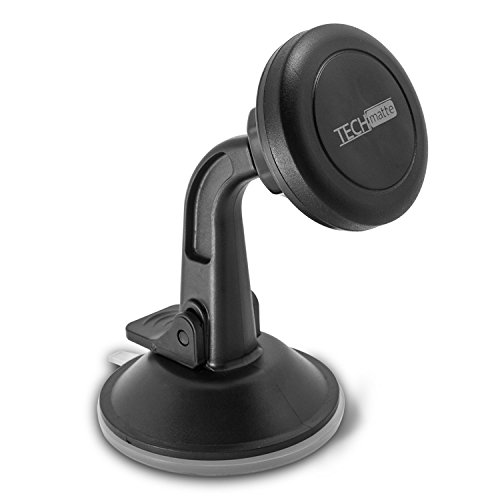
TechMatte Car Phone Mount Magnetic-Dashboard Mounted Car Phone Holder-Universal Smartphone Compatibility with Strong Magnetic Technology (Black), Portable Electronic Device Mount
A universal phone car mount that magnetically secures almost any phone to a dashboard or windshield
As an affiliate, we earn on qualifying purchases.
As an affiliate, we earn on qualifying purchases.