
When choosing a camera phone, don’t get caught up only in megapixels—sensor size matters more. A larger sensor captures more light, improving photo quality, especially in low-light conditions, and offers better detail, color accuracy, and less noise. It also influences depth of field and dynamic range. While tech advances are narrowing differences, the size of the sensor still plays a key role in overall image quality. Keep exploring, and you’ll discover why sensor size truly impacts your photos.
Open a free Amazon Business account
Business pricing, bulk buying and tax-exempt orders.
As an affiliate, we earn on qualifying purchases.
Key Takeaways
- Sensor size impacts photo quality more significantly than megapixel count, affecting detail, noise, and dynamic range.
- Larger sensors capture more light, improving low-light performance and producing clearer, more natural images.
- Sensor size influences depth of field and background blur, enabling more professional-looking photos.
- Advances in sensor technology are narrowing performance gaps between small and large sensors.
- Overall camera quality depends on sensor size and technology, not just megapixel numbers.
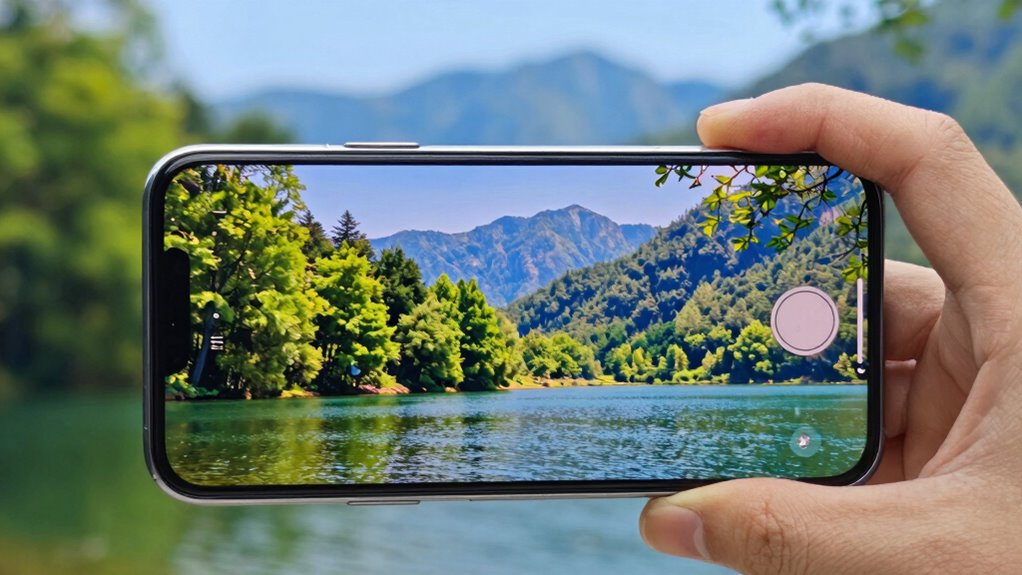
When shopping for a camera phone, you might notice that megapixels are often emphasized, but they only tell part of the story. While high megapixel counts can suggest sharper images, they don’t guarantee better photos in all situations. Instead, many experts focus on the sensor size, which plays an essential role in your camera’s performance. The sensor is the part of the camera that captures light; the larger it is, the more light it can gather. This means your photos will generally have better detail, less noise in low-light conditions, and a wider dynamic range. A small sensor may produce images that look sharp on your phone screen but can fall apart when you try to enlarge or print them.
Sensor size is often overlooked in favor of megapixel numbers, but it impacts image quality far more profoundly. Think of it like this: a larger sensor is like having a bigger canvas to work with. It can capture more information about your scene, resulting in richer colors and more accurate details. This is especially noticeable when shooting in challenging lighting conditions, such as indoors or at dusk. Phones with bigger sensors tend to handle these scenarios better because they collect more light, which translates into clearer, more natural images. Additionally, the size of the sensor also influences the horsepower of electric dirt bikes, which impacts overall performance and quality. Moreover, sensor size can influence the depth of field, allowing for more professional-looking background blur in your photos. Furthermore, advancements in sensor technology are continually enabling smaller sensors to perform closer to larger ones, although size still remains a significant factor. The sensor size also affects how well a camera can reproduce colors accurately, especially in complex lighting situations.
Frequently Asked Questions
How Does Sensor Size Affect Photo Quality?
Sensor size directly impacts photo quality because larger sensors use advanced sensor technology, capturing more light and detail. This means your photos will have better color accuracy, dynamic range, and less photo noise, especially in low-light conditions. When you choose a phone with a bigger sensor, you’re giving yourself the advantage of improved image clarity and overall quality, making your shots sharper and more professional-looking.
What Role Does Image Processing Software Play in Cameras?
Image processing software plays a essential role in your camera by enhancing photos through software enhancement techniques and artificial intelligence. It automatically adjusts brightness, contrast, and sharpness, making your images clearer and more vibrant. AI-driven algorithms can also reduce noise and improve low-light performance. This software works behind the scenes, ensuring you capture high-quality photos even in challenging conditions, making your camera smarter and your photos better.
How Important Is Lens Aperture in Smartphone Photography?
The lens aperture is essential in smartphone photography because it controls how much light enters your camera, affecting photo brightness and depth of field. A wider aperture, with more aperture blades, allows more light, ideal for low-light shots. Lens coatings reduce glare and reflections, enhancing clarity. Together, these features help you capture sharper, well-exposed images, making your photos look professional even with a compact camera.
Can Different Camera Modes Improve Photo Quality Effectively?
Different camera modes can dramatically boost your photo quality by enhancing photo composition and lighting techniques. When you switch to modes like night or portrait, you’re actively adjusting settings to suit the scene, resulting in sharper, brighter, and more balanced images. These modes help you manage challenging lighting conditions and create compelling compositions, making your photos more professional-looking and polished without needing complex manual adjustments.
How Do Optical Image Stabilization and Digital Stabilization Compare?
Optical image stabilization (OIS) uses hardware, like gyroscopes, to physically steady your camera, reducing blur caused by hand movement. Digital stabilization relies on software enhancement, cropping, and adjusting frames to smooth out shaky footage. You’ll notice OIS generally offers better results, especially in low light or dynamic scenes, because it stabilizes the image directly via the camera’s image sensor. Digital stabilization is useful when hardware isn’t available but may sacrifice image quality.
Conclusion
Now that you know the truth behind camera phones, you see beyond the glittering megapixels and pixel counts. It’s like peeling back a shimmering, glossy wrapper to reveal the real treasure inside—sharpness, color, and low-light prowess. As you hold your phone, remember it’s not just about numbers but about capturing moments in their truest, most vivid form. So, go ahead—dive deeper and choose a camera that paints your world with clarity, not just with flash.
NFL season / tailgating Picks
team gear
As an affiliate, we earn on qualifying purchases.