
Mirrorless cameras are now dominant because of their cutting-edge sensors that deliver high-quality images in a compact design you’ll love to carry. Their fast, accurate autofocus, including eye and subject tracking, makes capturing sharp moments easier than ever. Plus, advanced image processing and AI technology enhance picture clarity and user experience. All these innovations combine to give you professional results without bulky gear. Stick around, and you’ll discover how these features keep pushing the boundaries of digital photography.

Get the latest gadgets delivered free — and shop member deals
- Fast, free delivery on millions of items
- Access to Prime Big Deal Days deals on October 6–7
- Prime Video, Amazon Music and more included
Key Takeaways
- Advanced sensors deliver high-resolution images in compact, lightweight designs suitable for various photography needs.
- AI-powered autofocus systems enable fast, accurate subject tracking and eye/face detection.
- Continuous innovations in image processing improve clarity and reduce noise, even in challenging conditions.
- Modern mirrorless cameras integrate user-friendly interfaces with professional-level performance.
- Their versatility and portability make them ideal for travel, street, and everyday photography.
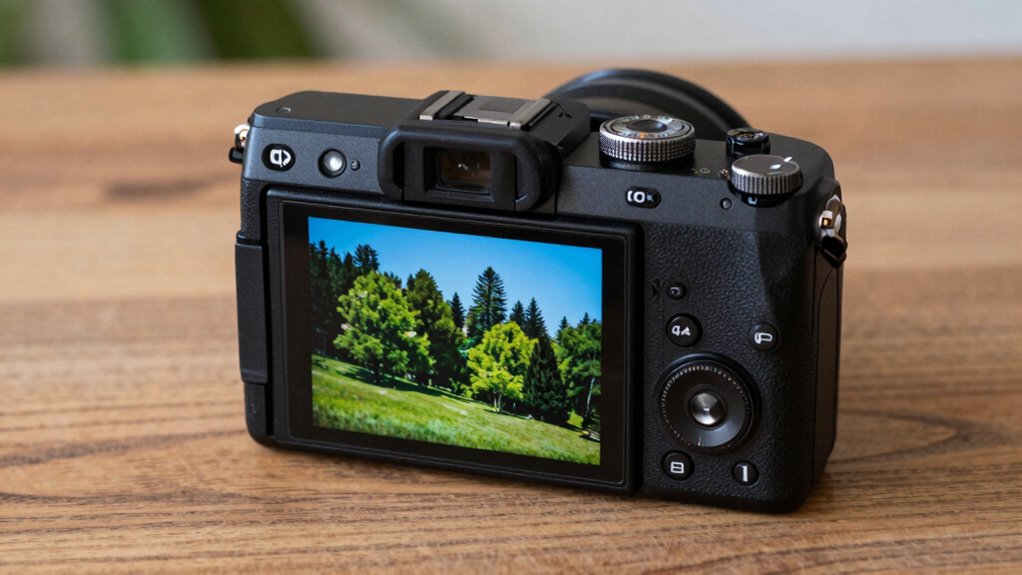
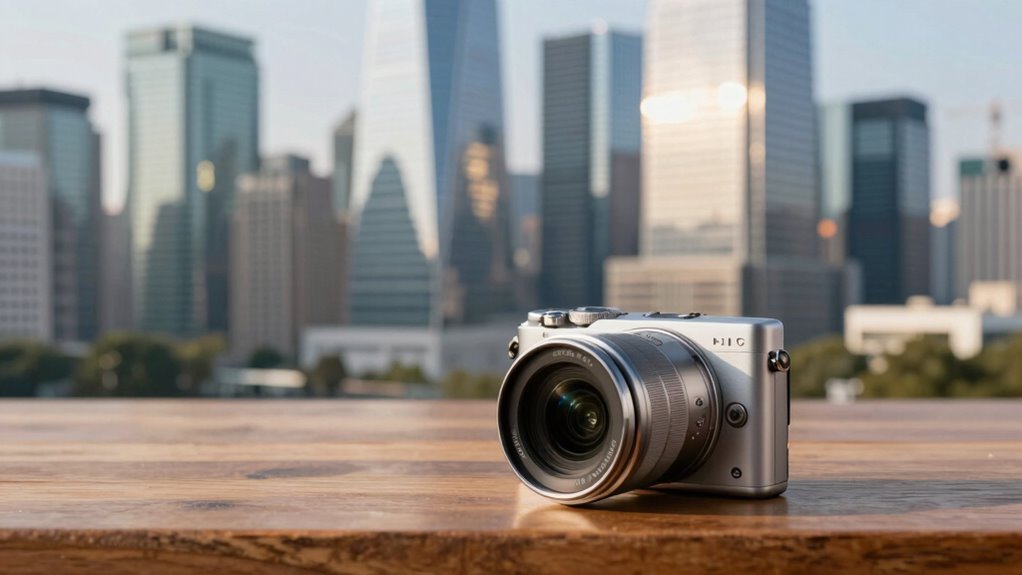
In recent years, mirrorless cameras have taken over the photography world, and for good reason. They offer a blend of cutting-edge technology and compact design that appeals to both enthusiasts and professionals alike. One of the key factors driving their dominance is sensor innovation. Manufacturers have significantly improved sensor technology, making these cameras capable of capturing stunning images with incredible detail, dynamic range, and low-light performance. The size of the sensor often rivals or surpasses that of traditional DSLRs, allowing you to achieve professional-quality results without lugging around bulky gear. These advancements mean you can now shoot high-resolution photos and videos with ease, even in challenging conditions. The compactness of mirrorless systems, combined with their powerful sensors, makes them a versatile choice for travel, street, and everyday photography. You no longer have to sacrifice image quality for portability; the sensors in modern mirrorless cameras deliver both. sensor innovation continues to push the boundaries of what’s possible, enabling photographers to capture images that rival those taken with larger, more cumbersome equipment. Additionally, ongoing sensor development ensures these cameras stay ahead in the rapidly evolving landscape of digital imaging. As sensor technology advances, manufacturers are able to incorporate new features that further enhance overall performance and user experience.
Furthermore, the integration of advanced image processing techniques helps enhance image quality by reducing noise and improving clarity, especially in low-light settings. These processing techniques often leverage AI-driven technology, which further refines image quality and autofocus performance. Alongside sensor innovation, autofocus advancements have played a crucial role in establishing mirrorless cameras as the top choice. Traditional DSLR autofocus relied heavily on phase detection through the mirror mechanism, but mirrorless cameras use on-sensor contrast-detection and phase-detection autofocus points, which have become remarkably fast and accurate. The latest models incorporate AI-driven autofocus systems that recognize subjects, track fast-moving objects, and maintain focus with impressive precision. Whether you’re capturing a fleeting expression or a fast-moving sports scene, these autofocus improvements ensure you’re more likely to get sharp, in-focus shots every time. Eye and face detection features are now standard, allowing you to focus effortlessly on your subject’s eyes, even in complex scenes. These advancements reduce the risk of missed shots and give you confidence that your images will be crisp and clear, regardless of the situation.
What makes mirrorless cameras stand out even more is how seamlessly these technological improvements integrate into user-friendly interfaces. You get quick, reliable autofocus, high-quality sensors, and intuitive controls that make shooting enjoyable and efficient. The rapid evolution of sensor innovation and autofocus technology has transformed mirrorless cameras from niche options into the industry standard. They now deliver the performance you need for professional work while remaining lightweight and accessible for everyday use. This combination of technological prowess and practicality is what cements their position at the top of the market today.
mirrorless camera with advanced autofocus
As an affiliate, we earn on qualifying purchases.
As an affiliate, we earn on qualifying purchases.
Frequently Asked Questions
How Do Mirrorless Cameras Compare in Battery Life to DSLRS?
Mirrorless cameras typically have shorter battery life compared to DSLRs because of their smaller batteries and reliance on electronic viewfinders or screens. However, their power efficiency has improved over time, helping boost battery longevity. You can extend your camera’s battery life by turning off Wi-Fi or using airplane mode when not needed. While DSLRs still lead in endurance, mirrorless models are catching up with smarter power management.
Are Mirrorless Cameras Suitable for Professional Sports Photography?
Sure, mirrorless cameras are perfect for pro sports photography—if you enjoy lightning-fast autofocus speed and large sensor sizes that capture every sweat bead. Their compact design means you can chase athletes without lugging around a DSLR’s weight. With real-time tracking and quick responsiveness, you confidently freeze the action. So yes, they’re more than suitable; they’re practically built for the adrenaline rush of sports photography.
What Are the Main Challenges of Switching to Mirrorless Systems?
Switching to mirrorless systems can be challenging because of mirrorless affordability and system compatibility. You might find initial costs high, especially with new lenses and accessories, making it a significant investment. Additionally, ensuring your current accessories and lenses work seamlessly with a mirrorless system can be tricky. You need to research compatibility carefully and be prepared for a learning curve as you adapt to new camera controls and workflows.
How Do Lens Options for Mirrorless Cameras Differ From DSLRS?
You’ll find that lens options for mirrorless cameras are rapidly expanding, with over 20,000 available lenses today. Unlike DSLR lenses, mirrorless lens compatibility often requires adapters, though many are designed specifically for quick, seamless use. Autofocus speed has also improved remarkably, matching or surpassing DSLRs. This means you get a wide range of lenses and faster focusing, making mirrorless systems more versatile and appealing for both amateurs and professionals.
What Is the Future Technology Development for Mirrorless Cameras?
You can expect future mirrorless cameras to see sensor innovation, making images sharper and more dynamic, even in low light. Autofocus advancements will likely lead to faster, more accurate focusing, especially for tracking moving subjects. Manufacturers will continue refining electronic viewfinders and image stabilization, making your shooting experience smoother. These technological developments will keep mirrorless cameras at the forefront of photography, offering you greater creativity and better results in a compact form.
high resolution mirrorless camera
As an affiliate, we earn on qualifying purchases.
As an affiliate, we earn on qualifying purchases.
Conclusion
In the world of photography, mirrorless cameras have taken the spotlight, like a rising star illuminating the night sky. Their compact size, advanced technology, and rapid autofocus make them the clear choice for both amateurs and pros. If you’re looking for a camera that’s lightweight yet powerful, it’s as if they’ve uncovered the secret to capturing moments effortlessly. Embrace the shift—mirrorless is not just the future; it’s the now.
compact mirrorless camera for travel
As an affiliate, we earn on qualifying purchases.
As an affiliate, we earn on qualifying purchases.
As an affiliate, we earn on qualifying purchases.
Fall Picks
fall essentials
As an affiliate, we earn on qualifying purchases.