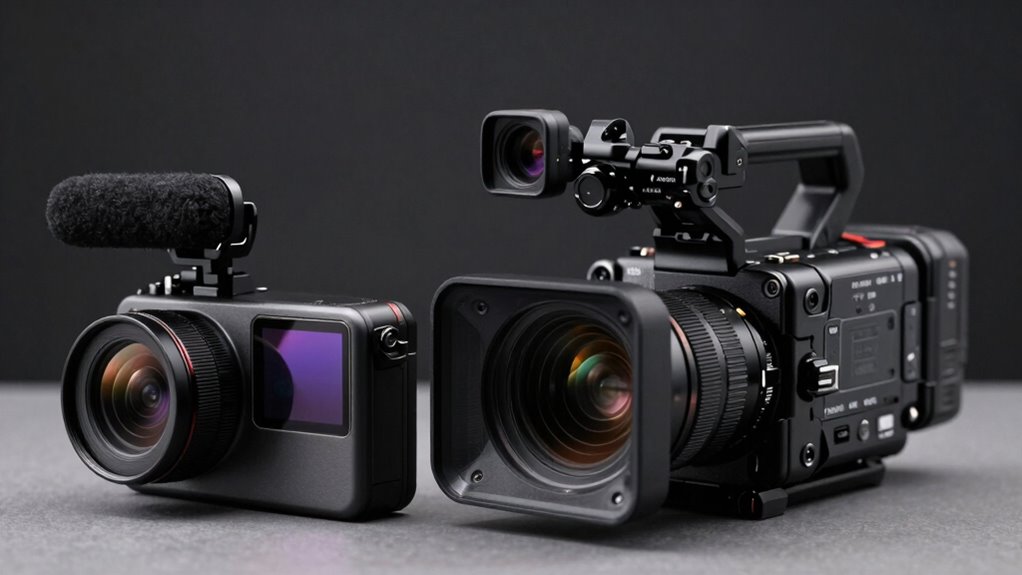

Vlogging cameras are designed for quick, easy use, with compact size and user-friendly features like flip-out screens and simple controls, making them ideal for casual shooting on the go. Cinema cameras, however, prioritize high image quality and customization, supporting interchangeable lenses and professional settings but often requiring more setup and technical knowledge. If you’re curious about how these differences impact your projects, keep exploring the details to find what suits you best.
Key Takeaways
- Vlogging cameras prioritize portability, ease of use, and quick setup, while cinema cameras focus on high image quality and extensive customization.
- Cinema cameras support interchangeable lenses and advanced controls for cinematic visuals, unlike fixed or zoom lenses on vlogging cameras.
- Vlogging cameras are compact and user-friendly, designed for handheld shooting; cinema cameras are larger, more complex, often requiring rigs.
- Professional-grade cinema cameras offer higher bitrates, superior color grading, and modular components for tailored setups.
- Vlogging cameras emphasize convenience and speed, whereas cinema cameras cater to detailed control and cinematic image production.
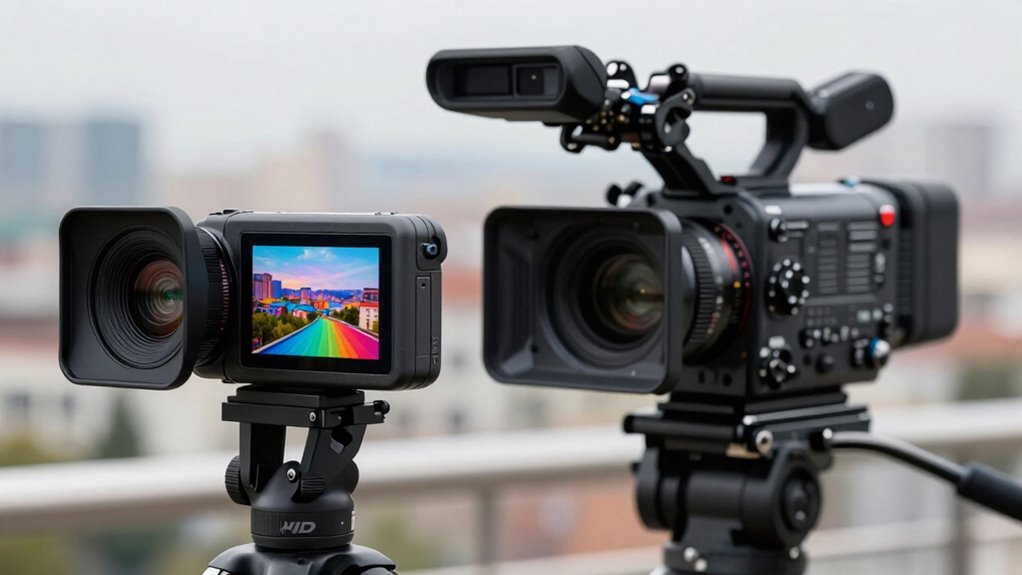
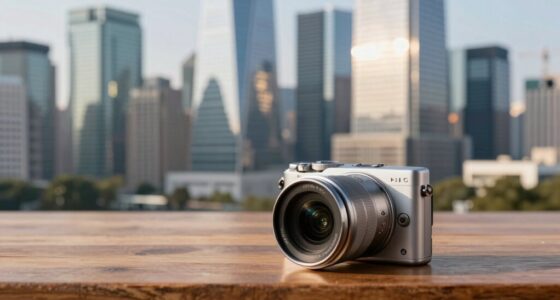
When choosing a camera for your video projects, understanding the difference between vlogging and cinema cameras is essential. Vlogging cameras are designed with portability and ease of use in mind. They usually feature compact sizes, lightweight builds, and straightforward controls, making them perfect for handheld shooting and quick setups. Camera ergonomics play a big role here—you want a camera that feels comfortable in your hand, with accessible buttons and a flip-out screen to monitor yourself during recording. This design helps you stay focused on your content without fussing with complicated menus or bulky equipment.
Vlogging cameras are portable, easy to use, and designed for quick, handheld recording with user-friendly controls and flip-out screens.
Cinema cameras, on the other hand, prioritize image quality, flexibility, and control. They tend to be larger and heavier, often requiring rigs or stabilizers, but their build quality is robust, allowing for prolonged shooting sessions. The camera ergonomics of cinema cameras are less about portability and more about customization; they often have modular components so you can tailor the setup to your needs. Lens compatibility becomes a pivotal factor here, as cinema cameras typically support a wide array of lenses with different mounts, apertures, and focal lengths. This flexibility enables professional filmmakers to achieve specific visual styles and high-end cinematic looks, which isn’t always possible with simpler vlogging cameras.
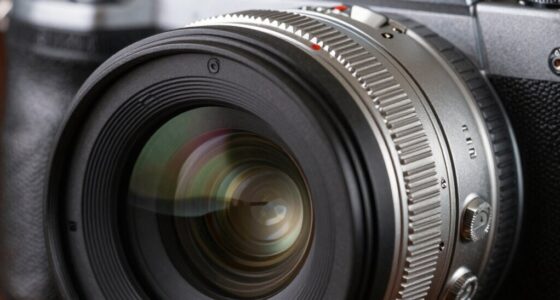
The lens compatibility of cinema cameras is a major difference. These cameras support professional-grade lenses—often with interchangeable mounts—giving you control over depth of field, sharpness, and overall aesthetic. Vlogging cameras usually come with built-in lenses or fixed zooms optimized for versatility and convenience, but they don’t offer the same level of optical flexibility. If you’re aiming for cinematic depth and detailed control over your images, a cinema camera’s compatibility with a broad selection of lenses is a huge advantage. Additionally, the ability to customize your camera setup with modular components allows for a more tailored filmmaking experience that can evolve with your skills and project needs. This customization is especially beneficial for those who want to develop a professional filmmaking approach over time. Moreover, cinema cameras often incorporate advanced video codecs, which provide higher quality footage essential for professional editing and grading.
Understanding the ergonomics of each type of camera can greatly influence your shooting experience and efficiency, especially during long filming sessions or complex setups. While vlogging cameras focus on quick, straightforward operation, cinema cameras are designed for meticulous control over every shot. They often feature advanced video codecs, higher bitrates, and superior color grading capabilities, but they require more technical knowledge and setup time. If you’re starting out or need a camera that’s ready to go at a moment’s notice, a vlogging camera’s simplicity is appealing. Conversely, if your goal is to craft polished, professional films, investing in a cinema camera with the right lens compatibility and ergonomic features will serve you better in the long run. Ultimately, the choice depends on your project scope, budget, and how much control you want over your visuals.

4K Digital Camera for Photography, 64MP Vlogging Camera for YouTube with 3" 180° Flip Screen, WiFi Compact Camera with 18X Digital Zoom, Comes with 32GB Micro SD Card & 2 Batteries, Black
【4K 64MP Autofocus Digital Camera】Capture stunning 64MP photos and 4K videos with this digital camera featuring a 3-inch…
As an affiliate, we earn on qualifying purchases.
As an affiliate, we earn on qualifying purchases.
Frequently Asked Questions
Can Vlogging Cameras Shoot in Cinematic Color Profiles?
Yes, vlogging cameras can shoot in cinematic color profiles, but their capabilities vary. Many models offer flat or log profiles, which you can color grade later to achieve a cinematic look. Keep in mind, a wider dynamic range helps preserve details in highlights and shadows during color grading. While vlogging cameras may not match cinema cameras in these areas, they still enable you to create stunning, film-like footage with proper settings and post-processing.
Do Cinema Cameras Have Better Low-Light Performance Than Vlogging Cameras?
Cinema cameras generally have better low-light performance than vlogging cameras because they feature larger sensors and advanced noise reduction technologies. The bigger sensor size allows more light to hit the sensor, improving image quality in dim environments. Additionally, cinema cameras often offer greater lens versatility, letting you choose faster lenses for better low-light shooting. This combination makes cinema cameras ideal for capturing high-quality footage in challenging lighting conditions.
Are There Budget-Friendly Cinema Cameras Suitable for Beginners?
Yes, there are budget options for beginner-friendly cinema cameras. Cameras like the Canon EOS C70 or Blackmagic Pocket Cinema Camera 4K offer great features at a more accessible price point. They’re designed to be user-friendly, making them ideal for newcomers wanting to learn filmmaking. These options give you professional-quality footage without breaking the bank, helping you develop your skills while staying within a reasonable budget.
How Important Is Audio Quality in Choosing Between the Two?
Audio quality is as vital as picture quality when choosing a camera, like the heartbeat of your videos. You should prioritize audio fidelity because clear sound keeps viewers engaged. Consider your microphone options—built-in mics often fall short, so investing in an external mic makes a big difference. Whether you’re vlogging or shooting cinema, high-quality audio ensures your story resonates, making it nearly impossible for viewers to tune out.
Can a Vlogging Camera Be Upgraded to Cinema Camera Quality?
Yes, you can upgrade a vlogging camera to cinema camera quality by enhancing features like camera ergonomics and storage options. Invest in better lenses, external recorders, and more robust stabilization to improve image quality. Upgrading ergonomics guarantees comfortable handling during long shoots, while expanded storage options allow you to record longer footage without interruptions. These improvements can make your vlogging camera more suitable for professional, cinematic productions.

SONY Cinema Line FX30 Super 35 Camera, Gray
20.1 MP Exmor R APS-C (Super 35mm format) image sensor with wide dynamic range
As an affiliate, we earn on qualifying purchases.
As an affiliate, we earn on qualifying purchases.
Conclusion
Ultimately, choosing between vlogging and cinema cameras is like selecting a tool for a specific masterpiece. Vlogging cameras are your nimble brushes, perfect for capturing spontaneous, lively stories with ease. Cinema cameras are your grand palette, crafted for meticulous, cinematic visions that demand precision. Understanding their differences helps you paint your story with the right strokes, transforming your vision into a vivid tapestry. So, pick your gear wisely and let your creativity flow like an unstoppable river.
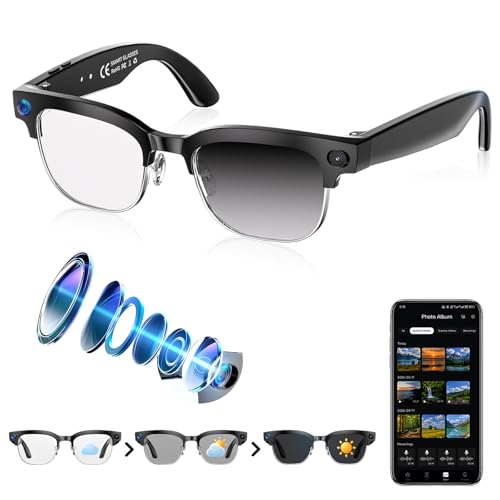
SGUKZF AI Smart Glasses with Camera, 4K EIS Anti-Shake Video & Photo Capture, Real-Time Translation,Open-Ear Bluetooth Audio, Object Recognition, Recording Sunglasses with Photochromic
【4K EIS Anti-Shake Video Recording & Photo Capture】Smart glasses with camera let you capture your world from a…
As an affiliate, we earn on qualifying purchases.
As an affiliate, we earn on qualifying purchases.

Lmzour 4K Vlogging Camera with 330° Rotating Lens & Face Tracking, Portable Pocket Digital Camera for YouTube TikTok with WiFi, Includes 16GB Card, Tripod & Carrying Bag,Black
🎥 【4K Digital Camera for Vlogging-Made for Beginners & First-Time Content Creators】Shoot stunning 4K video and capture 75MP…
As an affiliate, we earn on qualifying purchases.
As an affiliate, we earn on qualifying purchases.