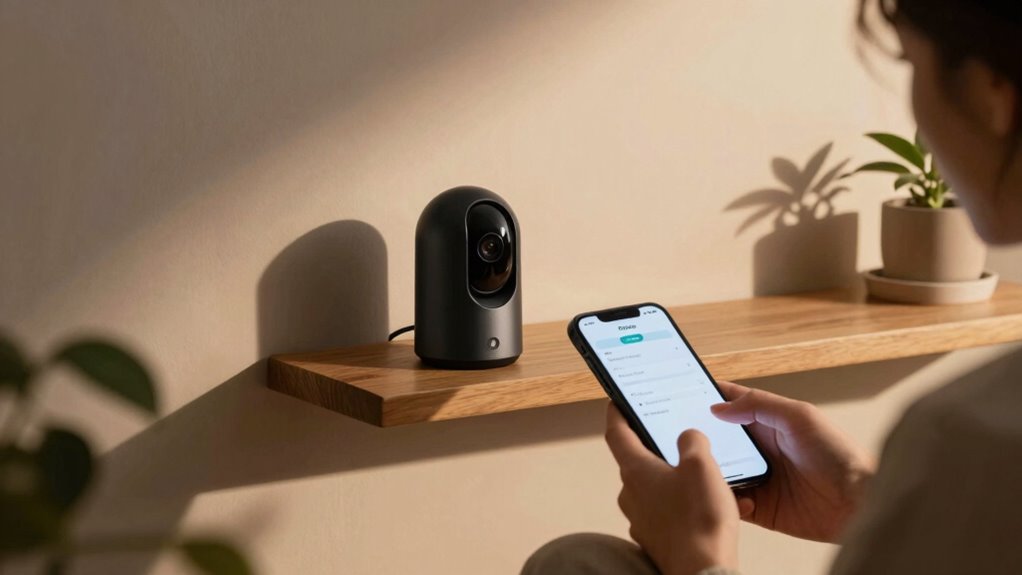

When considering smart cameras, the real privacy questions are about how your footage is secured, who has access, and whether your data is shared or stored without your full knowledge. You should ask if the companies use strong encryption, offer solid access controls, and are transparent about their data policies. It’s important to control permissions and stay informed about potential risks. If you want to understand how to protect yourself better, there’s more to explore.

Get the latest gadgets delivered free — and shop member deals
- Fast, free delivery on millions of items
- Access to Prime Big Deal Days deals on October 6–7
- Prime Video, Amazon Music and more included
Key Takeaways
- Who has access to the footage, and how are permissions managed?
- Is the video data encrypted during transmission and storage?
- What privacy policies govern data sharing, retention, and user control options?
- Are strong authentication measures, like two-factor authentication, implemented?
- How transparent are the manufacturer’s data handling and security practices?
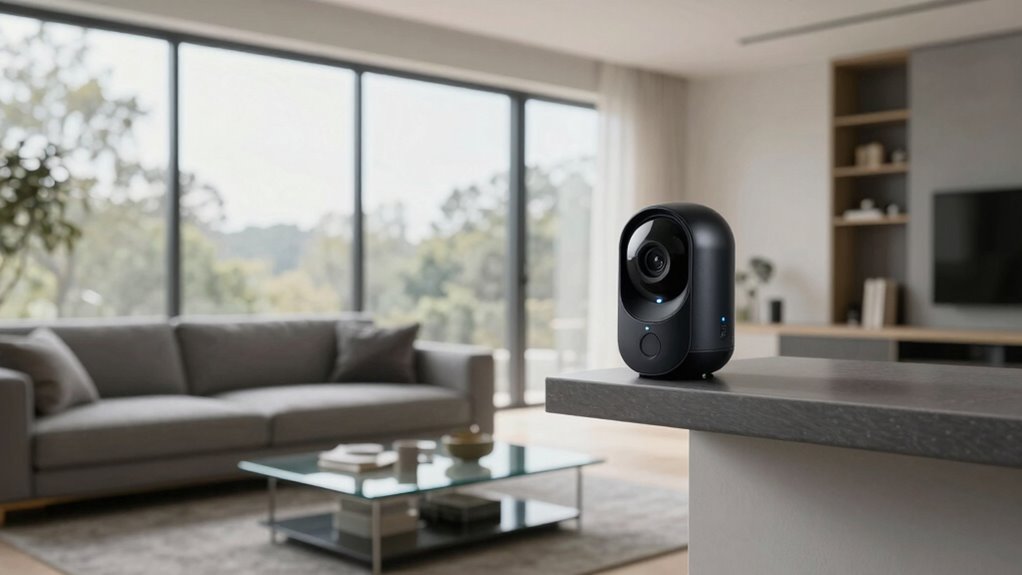
Have you ever wondered what happens to the footage captured by your smart camera? It’s a valid question, especially as these devices become more common in homes and workplaces. When your camera records, the data doesn’t just sit idle; it’s often transmitted across the internet to servers managed by the device manufacturer or third-party providers. This process raises important privacy concerns because you want to be sure your footage isn’t accessible to unauthorized people. Reputable companies use data encryption to protect your video streams and recordings from hackers or eavesdroppers. Data encryption scrambles the footage, making it unreadable without the correct decryption key, so even if someone intercepts the data, they can’t view it. However, not all manufacturers prioritize this security step, so it’s crucial to research your device’s security features before installation.
Another critical privacy issue revolves around user consent. When you set up a smart camera, you’re often asked to agree to terms and conditions that outline how your data will be used, stored, and shared. But do you truly understand what you’re consenting to? Many users don’t read the fine print or are unaware that their footage could be shared with third parties, used for targeted advertising, or stored for extended periods. It’s important to scrutinize these policies and ensure you retain control over your data. Some companies provide options to limit data sharing or delete recordings, but others may not make these options clear or easy to access. User consent isn’t just a legal formality; it’s a fundamental part of safeguarding your privacy and understanding how your footage is handled. Additionally, understanding data handling practices can help you make more informed decisions about your privacy. Being aware of privacy policies can significantly impact your comfort level with using these devices. Furthermore, staying informed about encryption standards is essential for evaluating the security of your footage.
It’s also wise to inquire about access controls and how they are implemented to prevent unauthorized viewing, as even the most secure data can be compromised if access management is weak. Properly managing device permissions** is equally important to limit who can interact with your smart camera and its settings. Beyond encryption and consent, you should also consider who has access to your footage once it’s stored. Is it only you, or do third-party service providers have access? Are there strong authentication measures, like two-factor authentication, in place to prevent unauthorized access? These questions matter because, even with the best encryption, vulnerabilities** can still exist if access controls are weak or if the device itself is compromised. Ultimately, your privacy depends on a combination of **secure data handling practices, transparent policies**, and your own vigilance in understanding and managing the permissions you grant. Smart cameras can be useful and convenient, but knowing how your footage is protected and who can see it is crucial to keeping your privacy intact.
smart camera security with encryption
As an affiliate, we earn on qualifying purchases.
As an affiliate, we earn on qualifying purchases.
Frequently Asked Questions
Can Smart Cameras Detect or Record Audio Conversations?
Yes, many smart cameras can detect and record audio conversations. They use microphones for audio recording and often feature conversation detection, which alerts you when sound is detected. However, this capability raises privacy concerns, especially if the audio is stored or transmitted without your knowledge. Always review your camera’s settings and permissions to understand what’s being recorded and verify your conversations remain private.
How Secure Are the Data Transmissions From Smart Cameras?
Are your smart cameras’ data transmissions truly secure? Encryption protocols like WPA3 or TLS protect your footage from unauthorized access, but risks still exist. Data breach risks can arise if these protocols aren’t properly implemented or updated regularly. You should verify your device uses strong encryption and updates firmware promptly. Can you really trust that your private moments stay private when hackers might exploit vulnerabilities in transmission security?
Do Smart Cameras Share Footage With Third Parties?
Smart cameras can share footage with third parties, depending on their third-party integrations and data sharing policies. Manufacturers may partner with other companies for analytics or advertising, which could involve sharing footage or data. You should review your camera’s data sharing policies carefully to understand what’s shared and with whom. Always stay informed about third-party integrations, and consider adjusting privacy settings if you want to limit external access to your footage.
Are There Legal Restrictions on Smart Camera Surveillance?
You’re not imagining it—smart camera surveillance is heavily regulated! Legal restrictions on smart cameras vary by location but generally require strict compliance with privacy regulations and data protection laws. You must guarantee your camera use respects individual rights, avoids illegal recording, and secures data properly. Failing to follow these laws can result in hefty fines or lawsuits, so always stay informed about local legal requirements before installing or using smart cameras.
How Long Is Footage Stored by Smart Camera Manufacturers?
Smart camera manufacturers typically store footage for varying durations, depending on their policies and your settings. Some rely on local storage like SD cards, where footage retention depends on available space, while others store clips in the cloud, with retention periods ranging from days to months. You should check your device’s settings and privacy policy to understand how long your footage is retained and manage storage accordingly.
privacy-focused smart home camera
As an affiliate, we earn on qualifying purchases.
As an affiliate, we earn on qualifying purchases.
Conclusion
So, next time you install a smart camera, remember—you’re not just inviting peace of mind, but also a tiny detective that never sleeps. Who knew your living room could become the hottest gossip in town? Just think of the privacy risks as the price of living in the future—where your every move is watched, recorded, and maybe even judged. Enjoy your new high-tech privacy invasion—it’s the modern way to feel truly exposed!
smart camera with two-factor authentication
As an affiliate, we earn on qualifying purchases.
As an affiliate, we earn on qualifying purchases.
As an affiliate, we earn on qualifying purchases.
Fall Picks
fall essentials
As an affiliate, we earn on qualifying purchases.