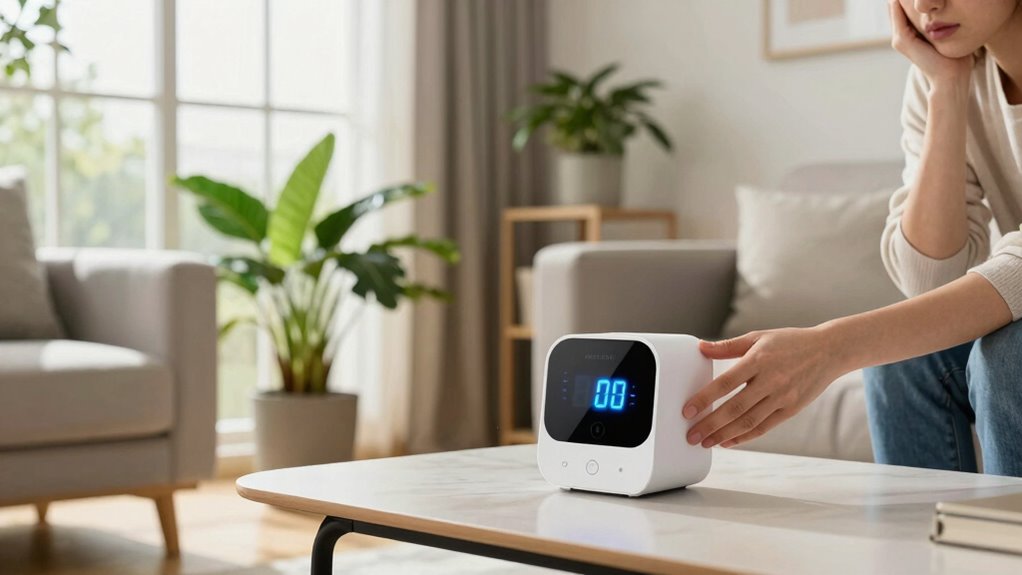

More households are caring about air quality devices because they want a healthier indoor environment for their families. These devices provide real-time insights into pollutants like dust, mold, and chemicals, helping you identify and reduce harmful sources. They also promote awareness of how everyday activities affect air quality. Regular maintenance guarantees accurate data, making these tools more reliable. If you keep exploring, you’ll discover even more ways these devices can improve your home’s air.

Get the latest gadgets delivered free with Prime
- Fast, free delivery on millions of items
- Prime Video, Amazon Music and more included
- Member-only deals all year
Key Takeaways
- Increasing awareness of indoor pollution’s health risks prompts more households to monitor air quality.
- Air quality devices help identify and reduce sources of indoor pollutants effectively.
- The devices provide real-time data, enabling proactive measures to maintain healthier indoor environments.
- Concerns about allergies and asthma make households prioritize better air quality management.
- Regular device maintenance ensures accurate readings, encouraging trust and continued use in homes.
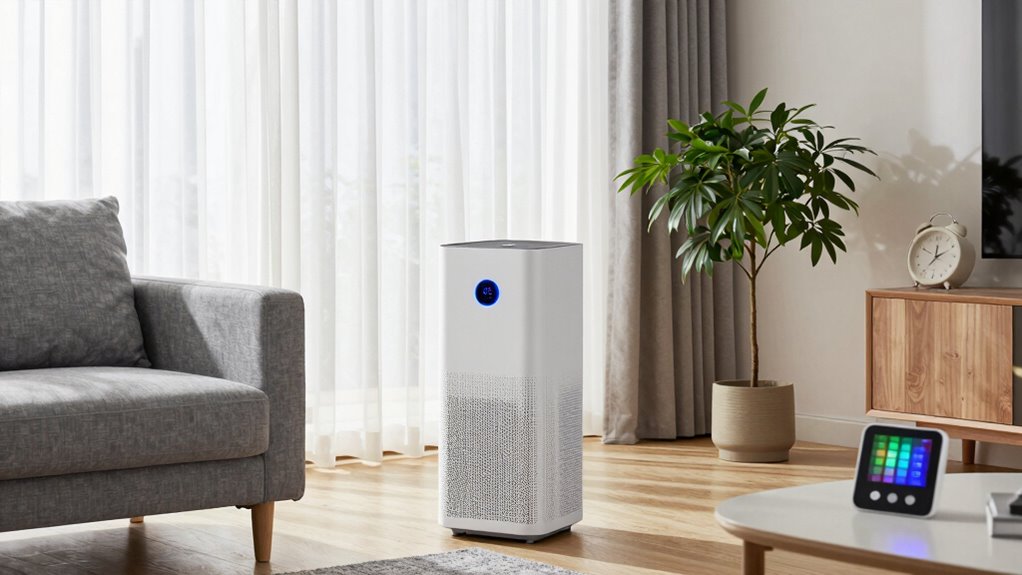
Have you ever wondered how clean the air really is inside your home or office? Many people don’t realize that indoor air pollution can be just as harmful as outdoor pollution, if not more so. Dust, pet dander, mold spores, chemicals from cleaning products, and even everyday activities like cooking and smoking contribute to the buildup of pollutants indoors. These invisible particles can trigger allergies, worsen asthma, and lead to long-term respiratory issues. That’s where air quality devices come into play. They’re not just gadgets; they’re essential tools that help you monitor and improve the air you breathe daily.
Indoor air pollution can be as harmful as outdoor, affecting allergies, asthma, and long-term respiratory health.
Using an air quality device gives you real-time insights into your indoor environment. By constantly measuring pollutant levels, you can identify problem areas or activities that worsen air quality. For instance, if your device detects high levels of volatile organic compounds (VOCs) after cleaning, you might decide to switch to less toxic products. With this knowledge, you can take targeted actions to reduce indoor air pollution, making your space safer and more comfortable. Additionally, understanding indoor air pollution sources can help you implement more effective mitigation strategies. Regular monitoring also promotes increased awareness of how everyday habits impact air quality. Recognizing the importance of sensor accuracy ensures that the data you rely on remains trustworthy, which is critical for making effective adjustments.
One common reason more households are investing in air quality devices is because they understand the importance of device maintenance. Just like any appliance, these devices require regular upkeep to function correctly. If you neglect device maintenance, sensors can become inaccurate, filters may clog, and the device’s overall effectiveness diminishes. For example, a dirty filter won’t trap airborne particles effectively, allowing pollutants to circulate freely. Regularly cleaning filters, replacing them when needed, and calibrating sensors ensure that your device provides reliable data. Proper maintenance extends the life of your device and guarantees that you’re getting accurate readings, which is key to making informed decisions about your indoor environment. Furthermore, air quality monitoring plays a crucial role in maintaining optimal indoor conditions. Staying informed about the performance of your device helps you recognize when it’s time for maintenance or upgrades, ensuring longevity and consistent accuracy.
Furthermore, many households are becoming more conscious of their health and the quality of their living spaces. They see air quality devices as proactive tools rather than reactive solutions. Instead of waiting for allergy symptoms to worsen, they monitor the air and take preventive measures. This shift reflects a broader understanding that maintaining good indoor air quality is crucial for overall health, especially for children, seniors, or anyone with respiratory conditions. Increasing awareness about the health impacts of indoor pollution is also driving this change, encouraging more households to prioritize air quality.
In essence, more households care about air quality devices because they recognize the direct link between clean air and well-being. By monitoring indoor air pollution and committing to device maintenance, they create healthier homes and workplaces. It’s a simple yet powerful way to take control of your environment, ensuring that the air you breathe supports your health rather than compromises it.
As an affiliate, we earn on qualifying purchases.
Frequently Asked Questions
How Do Air Quality Devices Detect Pollutants Accurately?
Air quality devices detect pollutants accurately through advanced sensor calibration, ensuring precise pollutant detection. You’ll find that these sensors measure specific particles or gases and are regularly calibrated to maintain accuracy, adjusting for environmental changes. By doing so, the device can reliably identify pollutants like smoke, VOCs, and allergens, giving you real-time data you can trust to improve your home’s air quality and health.
Are Air Quality Monitors Suitable for Small or Large Homes?
Air quality monitors are suitable for both small and large homes, but your choice depends on your indoor humidity and air circulation. In smaller spaces, a compact monitor helps track pollutants effectively, while larger homes benefit from multiple devices to cover all areas. Good air circulation guarantees accurate readings, so place your monitor away from vents or windows. Regularly check and calibrate your device to maintain reliable air quality measurements throughout your home.
What Maintenance Is Required for Air Quality Devices?
Imagine you’ve installed an air quality monitor, and to keep it accurate, you need to perform regular calibration. You check sensors every few months and replace filters as needed. Proper maintenance, including calibration and cleaning, enhances device longevity and guarantees reliable readings. By doing so, you prevent inaccuracies and extend your device’s lifespan, helping you maintain a healthier home environment with minimal effort.
Can Air Quality Devices Connect to Smart Home Systems?
Yes, air quality devices can connect to smart home systems. Many models offer smart home integration, allowing you to control and monitor air quality remotely via apps or voice commands. Just make certain your device is compatible with your smart home platform, like Alexa or Google Home. Compatibility varies, so check the specifications before purchasing. This integration makes managing your home’s air quality more convenient and seamless.
How Often Should I Replace Filters in Air Quality Devices?
You should replace filters in your air quality device every 3 to 6 months, depending on usage and filter type. Check the filter’s longevity recommendations, as some may last longer or shorter. Establish a regular replacement schedule to maintain ideal air quality and device efficiency. If you notice reduced airflow or odors, it’s time to swap out the filter sooner. Consistent replacements ensure cleaner air and better health.
As an affiliate, we earn on qualifying purchases.
Conclusion
As you embrace air quality devices, you’re planting seeds of health in your home garden. These devices act as vigilant guardians, constantly working to clear the air and protect your loved ones. Just like a lighthouse guides ships safely through darkness, your commitment to clean air illuminates a path toward a healthier, happier life. By caring now, you’re nurturing a future where every breath you take feels like a fresh start.
As an affiliate, we earn on qualifying purchases.
As an affiliate, we earn on qualifying purchases.
Halloween Picks
halloween
As an affiliate, we earn on qualifying purchases.