
TL;DR

Get the latest gadgets delivered free — and shop member deals
- Fast, free delivery on millions of items
- Access to Prime Big Deal Days deals on October 6–7
- Prime Video, Amazon Music and more included
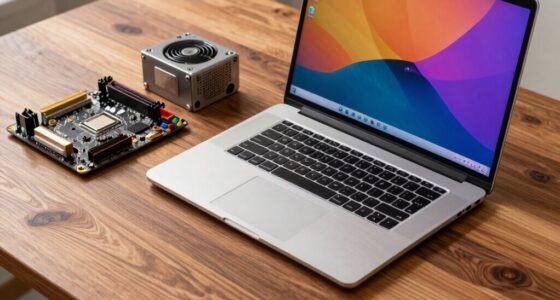
Apple has increased the prices of its MacBook and iPad lines as memory component costs have surged. The company confirmed the price hike, which is driven by rising memory costs, affecting consumers and supply chains.
Apple has raised the prices of its MacBook and iPad products, citing increased costs for memory components as the primary reason. The move was confirmed by industry sources and marks a significant shift in the company’s pricing strategy amid supply chain pressures.
Apple confirmed that it has increased the prices of its MacBook and iPad lines, effective immediately in several markets. The company attributed the price hike to a sharp rise in memory component costs, which have been driven by global supply chain disruptions and increased demand. Industry analysts note that this is the first major price adjustment for these product lines in recent years. Apple has not specified the exact percentage increase but indicated that it reflects the higher costs incurred in sourcing memory chips. The price adjustments are expected to impact consumers directly, potentially influencing purchasing decisions and market dynamics. Apple’s supply chain partners have also reported increased costs for memory chips, corroborating the company’s explanation for the price increase.
Implications for Consumers and Market Dynamics
This price increase underscores ongoing supply chain challenges and rising component costs affecting the tech industry. For consumers, higher prices may lead to reduced demand or delayed upgrades. For Apple, it highlights the impact of global shortages and inflation on product pricing. The move could influence competitors’ pricing strategies and supply chain management, signaling broader industry pressures. Additionally, it may accelerate the push towards alternative supply sources or component efficiencies to mitigate future cost increases.
As an affiliate, we earn on qualifying purchases.
Rising Memory Costs and Industry-Wide Impact
Memory component costs have surged over the past year due to global supply chain disruptions, increased demand from data centers, and manufacturing constraints. Industry reports indicate that prices for DRAM and NAND flash memory have risen by up to 30% since early 2025. Apple’s decision to raise product prices aligns with broader trends in electronics manufacturing, where component costs are a significant factor in retail pricing. Historically, Apple has maintained stable pricing for its flagship products, but recent supply chain pressures have prompted adjustments. This development follows similar moves by other tech manufacturers facing component cost inflation, signaling a period of increased pricing across the consumer electronics sector.
“We continuously evaluate our supply chain costs and make pricing adjustments as necessary to ensure the quality and innovation our customers expect.”
— Apple spokesperson
As an affiliate, we earn on qualifying purchases.
Unclear Details on Extent and Regional Rollout
It remains unclear how much prices have increased across different regions and product configurations. Apple has not disclosed specific percentage increases or the timeline for global implementation. The full financial impact on consumers and whether future price hikes are planned also remains uncertain. Additionally, the exact reasons behind the spike in memory costs—whether supply chain disruptions, increased demand, or other factors—are still being analyzed by industry experts.
As an affiliate, we earn on qualifying purchases.
Monitoring Future Price Adjustments and Supply Chain Trends
Apple is expected to continue adjusting its pricing strategy based on ongoing supply chain developments and component costs. Industry analysts will closely watch for further price changes, especially if memory costs remain elevated. Apple may also seek alternative supply sources or negotiate with suppliers to mitigate future increases. Consumers and market watchers should anticipate potential price adjustments in upcoming product launches or regional releases. Additionally, competitors might respond with their own pricing strategies, influencing the broader consumer electronics market.
As an affiliate, we earn on qualifying purchases.
Key Questions
How much have Apple prices increased for MacBooks and iPads?
Apple has not disclosed specific percentage increases, but industry sources confirm that prices have risen due to higher memory component costs.
Why are memory costs rising now?
Memory costs are increasing because of global supply chain disruptions, increased demand from data centers, and manufacturing constraints, leading to higher prices for DRAM and NAND flash chips.
Will Apple’s price hike affect all regions?
While the company confirmed the increase in several markets, the exact regional differences and timing for global rollout are not yet clear.
Could this lead to reduced sales or consumer pushback?
Potentially, higher prices may impact consumer demand, especially if the increases are significant. However, Apple has not indicated any change in its sales strategy yet.
Are competitors also raising prices due to memory costs?
Some industry reports suggest other manufacturers are experiencing similar cost pressures, but specific pricing actions have not been publicly confirmed.
Source: Google Trends
Fall Picks
fall essentials
As an affiliate, we earn on qualifying purchases.