
TL;DR

Get the latest gadgets delivered free with Prime
- Fast, free delivery on millions of items
- Prime Video, Amazon Music and more included
- Member-only deals all year
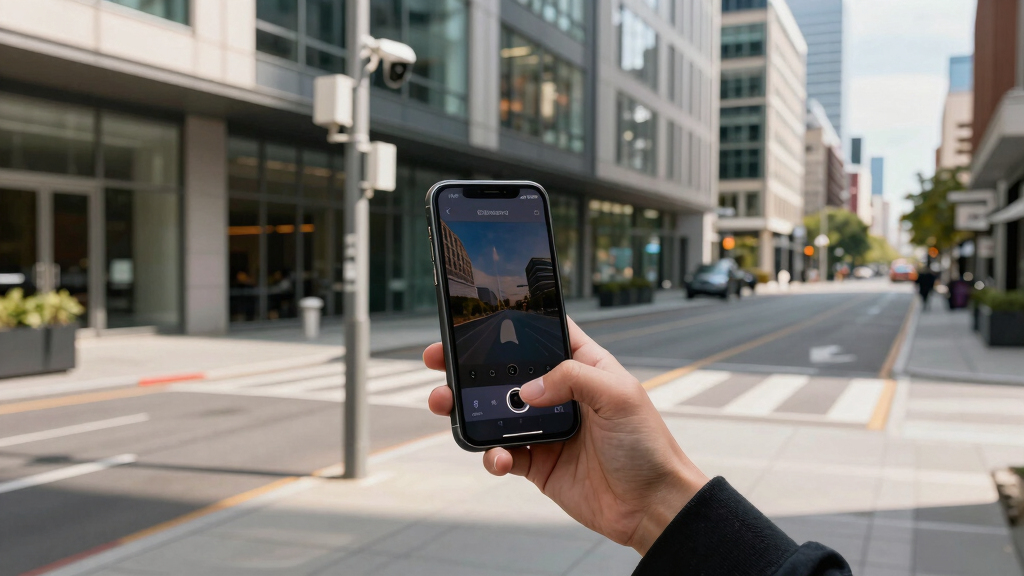
U.S. residents are systematically destroying Flock Safety surveillance cameras, with at least 25 cameras vandalized in five states since April 2025. The protests stem from concerns over privacy and links to immigration enforcement. One man in Virginia faces criminal charges after admitting to destroying 13 cameras.
Since April 2025, at least 25 Flock Safety surveillance cameras have been destroyed across five U.S. states, with residents protesting the company’s ties to immigration enforcement and concerns over privacy violations.
Flock Safety operates in approximately 6,000 communities nationwide, deploying AI-powered license plate cameras marketed as tools for neighborhood safety. However, public opposition has grown due to revelations of the company’s collaboration with federal immigration agencies, including over 4,000 law enforcement searches linked to ICE in Virginia alone.
Since April, residents and activists have vandalized at least 25 cameras, with incidents reported in California, Oregon, Virginia, Illinois, and Connecticut. In Virginia, Jeffrey S. Sovern, 41, was arrested after dismantling 13 cameras over six months; he openly stated his actions were motivated by constitutional concerns, specifically the Fourth Amendment.
Some cities, like La Mesa and San Diego, have faced public protests at city council meetings, yet officials have continued to renew contracts and keep camera locations secret, citing safety and security reasons. Meanwhile, law enforcement agencies are performing ICE-related searches through Flock networks, despite the company’s denials of direct ICE cooperation.
Why It Matters
This wave of vandalism underscores a growing public backlash against surveillance technology perceived as intrusive and linked to immigration enforcement. The destruction challenges the legitimacy of Flock’s business model and raises questions about privacy rights, law enforcement transparency, and community control over surveillance infrastructure.
As more cities face public opposition and legal battles over camera locations, the ongoing vandalism could influence future policies on surveillance and data sharing, potentially leading to stricter regulations or bans on such systems.
As an affiliate, we earn on qualifying purchases.
Background
Flock Safety, valued at $7.5 billion, has expanded rapidly across the U.S., claiming to enhance neighborhood safety. However, reports have revealed extensive law enforcement use of Flock cameras for immigration-related searches, often without warrants, fueling public distrust. Past incidents include city councils ignoring overwhelming opposition, and legal disputes over camera location disclosures. The recent vandalism wave is part of a broader pattern of resistance to surveillance expansion amid concerns over civil liberties.
“I appreciate everyone’s right to privacy, enshrined in the Fourth Amendment. I did this for the Fourth Amendment.”
— Jeffrey S. Sovern
“We respect and value concerns and feedback raised about our technology, and building trust is important to us.”
— Flock CEO Garrett Langley
license plate camera for home security
As an affiliate, we earn on qualifying purchases.
As an affiliate, we earn on qualifying purchases.
What Remains Unclear
It remains unclear how widespread future vandalism will become, whether law enforcement will intensify efforts to prevent it, or if legal actions will deter further destruction. The extent of Flock’s actual cooperation with ICE and other federal agencies continues to be disputed, and the long-term impact of these protests on surveillance policies is uncertain.
As an affiliate, we earn on qualifying purchases.
What’s Next
Authorities are expected to increase surveillance and security measures around remaining cameras. Legal proceedings against arrested individuals, like Sovern, will continue, potentially inspiring more protests. Public pressure may lead to legislative or regulatory actions affecting Flock’s operations and transparency. Monitoring city council decisions and law enforcement policies will be key to understanding future developments.
As an affiliate, we earn on qualifying purchases.
Key Questions
Why are residents destroying Flock cameras?
Many residents oppose Flock Safety cameras due to concerns over privacy violations, links to immigration enforcement (ICE), and the perception that the surveillance infringes on civil liberties.
Is Flock Safety cooperating with ICE?
Flock publicly states it does not work directly with ICE, but data shows local police have conducted thousands of immigration-related searches using Flock cameras, raising questions about indirect cooperation.
What legal actions have been taken against vandals?
Law enforcement has arrested individuals like Jeffrey Sovern, who openly admitted to destroying cameras. Charges include destruction of property and possession of burglary tools. The legal process is ongoing.
Will the destruction of cameras stop?
It is uncertain whether vandalism will continue or escalate, as public opposition remains high and law enforcement increases security efforts. Future actions depend on community responses and policy decisions.
How might this affect surveillance policies?
The protests could lead to stricter regulations, increased transparency, or bans on certain surveillance systems, especially if public pressure persists or legal challenges succeed.
Columbus Day / Indigenous Peoples' Day Picks
long weekend sales
As an affiliate, we earn on qualifying purchases.