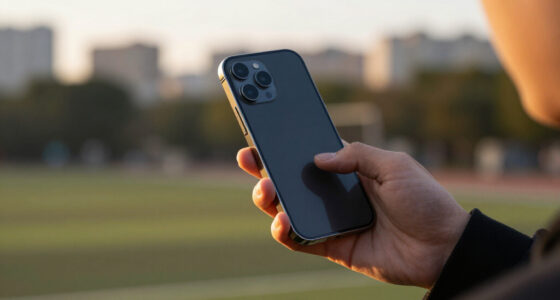

When choosing a camera phone, don’t just focus on megapixels. The sensor quality and image processing play bigger roles in photo clarity and accuracy. A phone with fewer megapixels can often outperform higher-megapixel models if it has a better sensor and smarter software. These elements work together to produce sharper, more vibrant images, even in low light. To learn how these factors truly impact your photos, keep exploring what makes a camera perform at its best.

Get the latest gadgets delivered free — and shop member deals
- Fast, free delivery on millions of items
- Access to Prime Big Deal Days deals on October 6–7
- Prime Video, Amazon Music and more included
Key Takeaways
- Photo quality depends more on sensor technology and image processing than just megapixel count.
- Advanced sensors improve low-light performance, color accuracy, and dynamic range regardless of pixel numbers.
- Image processing algorithms enhance sharpness, exposure, and noise reduction, boosting overall photo quality.
- Combining high-quality sensors with sophisticated software produces better images than megapixels alone.
- Choosing a camera phone should focus on sensor capabilities and processing features over megapixel specifications.
Have you ever wondered if more megapixels truly mean better photos? It’s a common question, especially with smartphone ads touting high megapixel counts as the ultimate camera upgrade. But in reality, megapixels are just one piece of the puzzle. What really makes a camera phone perform well goes beyond numbers. It involves sensor technology, image processing, and how these elements work together to produce a sharp, vibrant image. Understanding these factors helps you see why a phone with fewer megapixels can sometimes outperform one with more, depending on the quality of its sensor and processing capabilities.
Sensor technology is at the heart of capturing light and detail. Modern sensors are designed to be more sensitive, meaning they can gather more light even in low-light conditions. This results in clearer images with less noise. Advanced sensors also have better pixel arrangements, which improve color accuracy and dynamic range. So, a phone with a smaller megapixel count but a more sophisticated sensor can deliver images that are richer, more detailed, and true to life. It’s about the quality of the sensor, not just the quantity of pixels it produces. Additionally, improvements in sensor technology continue to push the boundaries of what’s possible in smartphone photography.
Modern sensors capture more light and detail, resulting in clearer, richer images even with fewer megapixels.
Image processing is another critical aspect that influences photo quality. Once the sensor captures an image, your phone’s software steps in to enhance it. Efficient image processing algorithms can sharpen details, balance exposure, and improve color rendition. High-quality image processing ensures that photos look great straight out of the camera, reducing the need for post-editing. The best camera phones use advanced image processing techniques to combine multiple exposures, reduce noise, and optimize sharpness. This means even if your phone’s megapixel count isn’t the highest, it can still generate stunning images through smart processing.
Ultimately, camera performance relies on a balance between sensor technology and image processing. Phones with cutting-edge sensors can capture more information, but without good processing, that data might not translate into better photos. Conversely, even a decent sensor can produce impressive images if paired with powerful, intelligent software. So, when choosing a camera phone, look beyond megapixels. Focus on how well the sensor captures light and how effectively the device’s software turns that data into beautiful photos. Sensor technology plays a crucial role in determining overall camera quality, making it an essential factor to consider. That’s what really determines the quality of your pictures in the end.
best smartphone sensors for low light photography
As an affiliate, we earn on qualifying purchases.
As an affiliate, we earn on qualifying purchases.
Frequently Asked Questions
How Does Sensor Size Affect Photo Quality?
Sensor size impact your photo quality profoundly. A larger sensor captures more light, which enhances photo clarity factors like better low-light performance and reduced noise. When you have a bigger sensor, your images look sharper and more detailed, especially in challenging lighting conditions. Smaller sensors struggle with these aspects, making sensor size a vital factor in determining overall photo quality on your phone.
What Role Does Image Processing Software Play?
Image processing software, powered by artificial intelligence and computational photography, plays a vital role in enhancing your photos. It intelligently adjusts exposure, reduces noise, and improves detail, often in real-time. This software combines multiple images, stabilizes shots, and adds effects to produce high-quality results. By analyzing scene data, it guarantees your pictures look vibrant and sharp, even in challenging conditions, making your photos more professional without extra effort.
How Important Is Lens Quality in Camera Phones?
Your lens quality is absolutely essential, beyond just megapixels. A top-tier lens ensures optical stabilization, preventing shaky shots, and provides stunning color accuracy, making every photo vibrant and true to life. Without a high-quality lens, even the most advanced camera software struggles to compensate. It’s like trying to paint a masterpiece with a dull brush—your photos lose detail, sharpness, and realism. So, invest in a phone with excellent lens quality for picture-perfect results.
Do Multiple Lenses Improve Overall Photo Performance?
Yes, multiple lenses can improve your photo performance. They help you capture a broader dynamic range, ensuring details aren’t lost in shadows or highlights, and enhance color accuracy by adapting to different lighting conditions. With various lenses, you get more versatile shots—whether zoomed in, ultra-wide, or portrait. This means your photos will look more natural, detailed, and vibrant across different scenes, making your overall photography experience better.
How Does Low-Light Photography Differ Between Phones?
Low-light photography on phones can feel like capturing moonbeams in a jar. You’ll notice that night mode activates, using longer exposures and advanced noise reduction to brighten your shot without graininess. Modern phones intelligently adjust settings to enhance clarity, so your photos look sharper and more vibrant even in darkness. With these features, you can confidently snap stunning images, turning dim scenes into brilliant memories without needing professional equipment.
smartphone image processing software
As an affiliate, we earn on qualifying purchases.
As an affiliate, we earn on qualifying purchases.
Conclusion
Now that you see beyond the flashy megapixels, you hold the key to revealing true camera phone magic. Think of your device as a painter’s palette, where sensor size, lens quality, and software blend to capture vivid stories. Don’t be dazzled by numbers alone—trust your eyes and understanding. With this knowledge, your phone becomes a window to the world, turning everyday moments into timeless masterpieces, waiting to be framed in your memory.
camera phones with high dynamic range
As an affiliate, we earn on qualifying purchases.
As an affiliate, we earn on qualifying purchases.
smartphone camera sensor technology
As an affiliate, we earn on qualifying purchases.
As an affiliate, we earn on qualifying purchases.
Fall Picks
fall essentials
As an affiliate, we earn on qualifying purchases.