
Mobile payments became normal so quickly because smartphones and contactless terminals made transactions faster and more convenient than cash or cards. As more people started using digital wallets like Apple Pay or Google Pay, the habit grew through everyday use and social acceptance. Enhanced security with encryption and biometric tech also built trust. If you want to understand more about how these innovations transformed your payment habits, keep exploring this evolving trend.

Get the latest gadgets delivered free — and shop member deals
- Fast, free delivery on millions of items
- Access to Prime Big Deal Days deals on October 6–7
- Prime Video, Amazon Music and more included
Key Takeaways
- Widespread smartphone adoption and reliable internet made mobile payments accessible and convenient for daily use.
- Retailers quickly installed contactless terminals, enabling seamless integration into routine transactions.
- Familiarity and social acceptance grew through frequent use in public settings like restaurants and transit.
- Advanced security features like encryption and biometric authentication increased user trust and safety.
- Technological innovations and a focus on convenience accelerated the shift from cash and cards to mobile payments.

Mobile payments have become a routine part of daily life so quickly that many of us barely notice the shift. Just a few years ago, paying with a smartphone felt like a novelty, but now, it’s the default for many transactions. You might use digital wallets like Apple Pay, Google Pay, or Samsung Pay without giving it much thought. These tools have seamlessly integrated into your daily routines, whether you’re grabbing coffee, shopping online, or paying at the checkout counter. The rapid adoption can be attributed to the convenience they offer—no more fumbling for cash or digging through your wallet for cards. Instead, a simple tap or scan is enough to complete a payment, making the process faster and more efficient.
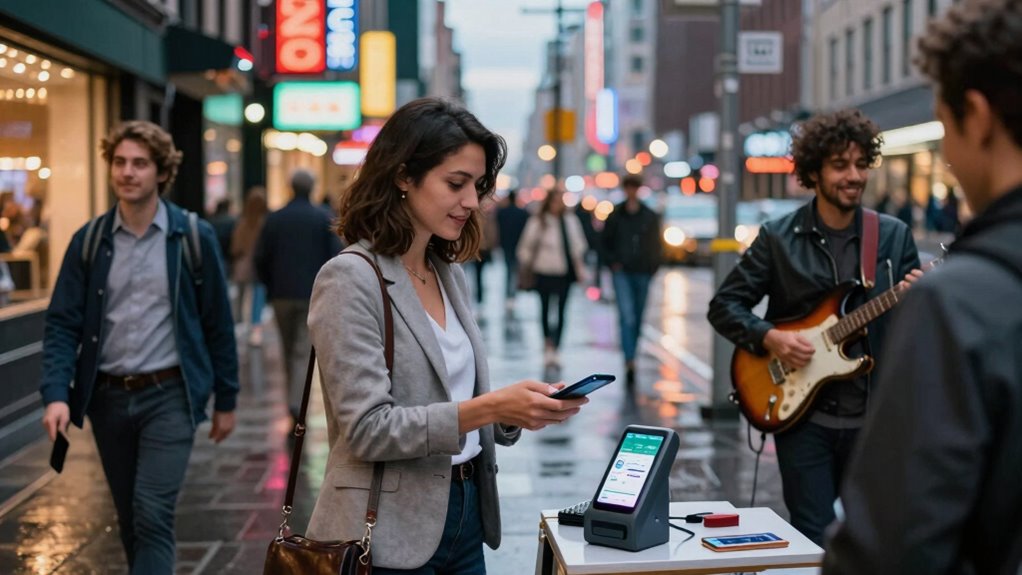
Mobile payments are now a daily routine, making transactions faster and more seamless than ever before.
The widespread use of digital wallets has played a significant role in normalizing mobile payments. Companies have worked tirelessly to make these options user-friendly, encouraging more people to shift away from traditional cash and card payments. As smartphones became more ubiquitous and internet access more reliable, the transition accelerated. Retailers, too, embraced this change by installing contactless payment terminals, making it easy for customers to pay with their phones. Over time, the familiarity with mobile payments grew, and acceptance became almost universal in many urban areas. You’ve likely experienced friends or colleagues paying with their phones at restaurants or transit stations, further reinforcing how commonplace these methods have become. Additionally, the integration of security measures like encryption and biometric authentication has helped build trust among users, easing concerns about potential risks. These security features are supported by emerging payment technologies, which continue to improve transaction safety and efficiency. Furthermore, the development of standardized protocols has contributed to a more unified and secure mobile payment ecosystem, encouraging more widespread adoption. Moreover, ongoing advancements in secure payment technologies continue to enhance the overall safety and reliability of mobile transactions. As technology continues to evolve, the adoption of digital payment standards is likely to further streamline and secure the process, making mobile payments even more seamless in the future.
However, with the convenience of digital wallets comes the concern over security. Many people worry about security concerns, fearing that their personal and financial information could be compromised. These fears are understandable, but the industry has responded with robust security measures. Your digital wallets use encryption, tokenization, and biometric authentication—like fingerprint or facial recognition—to ensure that your data stays protected. Even if someone gets hold of your device, it’s unlikely they’ll be able to access your payment information without your biometric data. Still, it’s essential to stay vigilant—using secure passwords, enabling two-factor authentication, and keeping your device’s software up to date can help mitigate risks.
In the end, the rapid integration of mobile payments into everyday life reflects both technological advancements and a growing desire for convenience. Despite security concerns, the benefits of quick, contactless transactions continue to drive adoption. You’ve become part of a global shift that’s reshaping how we pay, making cash and cards feel almost outdated. It’s a testament to how quickly technology can change habits and expectations, often before we even realize it.
As an affiliate, we earn on qualifying purchases.
Frequently Asked Questions
What Security Concerns Exist With Mobile Payments?
You might worry about security concerns with mobile payments, like fraud prevention issues. To keep your information safe, many apps use biometric authentication, such as fingerprint or facial recognition, making unauthorized access harder. However, risks remain, like hacking or data breaches. Always keep your device updated, use strong passwords, and enable two-factor authentication when possible to protect your mobile payment accounts effectively.
How Do Mobile Payments Impact Traditional Banking?
You find that mobile payments, through digital wallets and contactless technology, challenge traditional banking by shifting how you manage transactions. Banks adapt by integrating these features, offering their own digital services, and competing for your attention. You may see fewer visits to branches, but banks now focus more on digital innovation. This change pushes traditional banks to modernize, making your financial interactions faster, more convenient, and increasingly integrated with new payment methods.
Are Mobile Payments Accessible in Rural Areas?
Imagine a bridge stretching across a vast river, connecting distant shores. In many rural areas, this bridge—rural connectivity—is still under construction, making mobile payments less accessible. However, with efforts to improve connectivity, mobile payments are becoming viable cash alternatives. You can now send or receive money even in remote regions, transforming how people access financial services and reducing reliance on traditional cash transactions.
Which Demographic Adopted Mobile Payments First?
You’ll find that young adults and urban professionals adopted mobile payments first, driven by demographic trends favoring tech-savvy users. These groups faced fewer adoption barriers, such as limited access to banking infrastructure or digital literacy issues. Their familiarity with smartphones and digital tools made it easier to embrace mobile payments quickly, setting the stage for broader acceptance across other demographics over time.
What Future Innovations Are Expected in Mobile Payments?
You can expect future innovations in mobile payments to enhance digital wallets and contactless transactions. Technologies like biometric authentication will make payments more secure, while integrating with wearable devices will allow seamless, hands-free transactions. Additionally, advancements in AI might personalize payment experiences, and blockchain could increase transparency. These innovations will keep making mobile payments faster, safer, and more convenient, further embedding them into your everyday financial interactions.
As an affiliate, we earn on qualifying purchases.
Conclusion
You’ve seen how quickly mobile payments transformed from novelty to necessity. With over 90% of smartphone users globally adopting these methods within just a few years, it’s clear that convenience and security drive their popularity. As you embrace digital wallets and contactless options, remember that this rapid adoption isn’t just a trend—it’s shaping the future of everyday transactions. So, next time you pay with your phone, you’re part of a fast-moving, innovative shift in how we handle money.
As an affiliate, we earn on qualifying purchases.
As an affiliate, we earn on qualifying purchases.
Halloween Picks
halloween
As an affiliate, we earn on qualifying purchases.