
FPV drones feel so different because they’re built for speed, agility, and immersive flying, giving you an adrenaline rush with quick turns and rapid accelerations. Unlike standard camera drones that prioritize stability and smooth footage for cinematic shots, FPV drones are lightweight and designed for sharp, responsive movements. This creates a visceral experience that feels wild and unpredictable. If you want to uncover more about what sets these drones apart, keep exploring.

Get the latest gadgets delivered free with Prime
- Fast, free delivery on millions of items
- Prime Video, Amazon Music and more included
- Member-only deals all year
Key Takeaways
- FPV drones prioritize rapid, agile movements, creating a visceral, immersive flying sensation, unlike the smooth, stable flight of standard drones.
- Their lightweight, wide-angle cameras and design support quick maneuvers, sacrificing stability for responsiveness.
- Standard drones feature gimbal-stabilized cameras and advanced control systems that ensure steady, cinematic footage.
- The core design philosophies emphasize adrenaline-fueled flying versus ease of capturing high-quality, stable images.
- The distinct handling and control systems produce fundamentally different user experiences and flight dynamics.
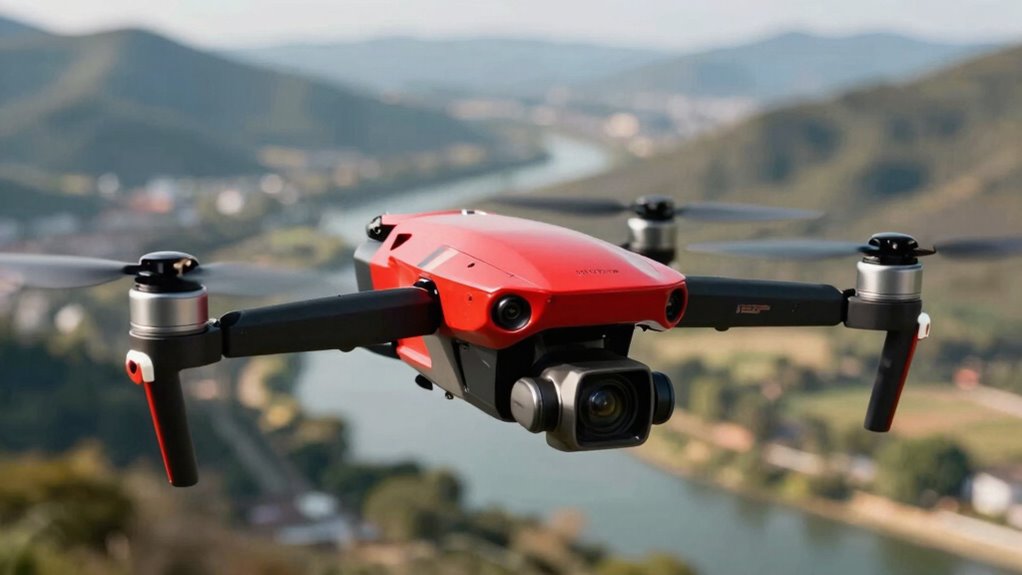
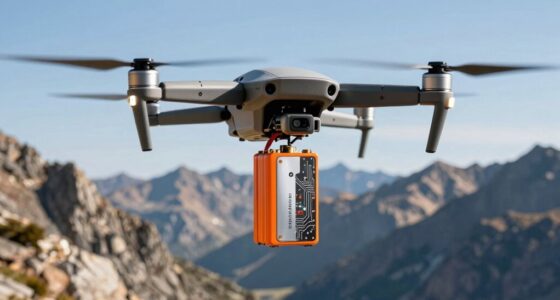
When choosing between FPV drones and standard camera drones, understanding their differences can help you make the right decision for your needs. One of the main reasons FPV drones feel so different from traditional camera drones is how they deliver flight experience. FPV drones prioritize agility, speed, and maneuverability, making you feel immersed in the action. This is achieved through their design and flight control systems, which allow for rapid, precise movements. In contrast, standard camera drones focus on providing steady, smooth footage, emphasizing flight stability to guarantee high-quality images and videos. When flying a standard drone, you notice how it hovers effortlessly, maintaining a stable position even in challenging conditions. This stability enhances camera quality by reducing vibrations and jitters, resulting in crisp, professional-looking shots. Meanwhile, FPV drones often sacrifice some of this stability to maximize agility, which can make the flying experience feel more intense and visceral. You might find yourself darting through tight spaces or performing rapid flips, where the thrill comes from the drone’s responsiveness rather than cinematic smoothness.
The difference in how these drones handle flight is noticeable right from the start. FPV drones are built for quick, sharp turns and rapid accelerations, giving you a feeling of being inside the drone rather than just controlling it from afar. The camera on an FPV drone is often a lightweight, wide-angle lens that captures a broad perspective but isn’t always optimized for high resolution or cinematic quality. Conversely, standard camera drones are equipped with high-quality, gimbal-stabilized cameras that prioritize image clarity and smooth footage over speed. When you fly a standard drone, you’ll appreciate how the camera remains steady, even when the drone encounters minor turbulence. This stability is essential for capturing professional-grade footage, and it’s what makes the difference in the final quality of your videos and photos. Additionally, the design philosophy of each drone type influences how they handle various flying conditions and user experiences.
Ultimately, the feeling you get from each type of drone stems from their core design philosophies. FPV drones are about adrenaline and immersion, with flight dynamics that are fast, responsive, and often unpredictable. Standard camera drones, on the other hand, are about capturing beautiful, stable imagery with ease. Their flight stability directly contributes to better camera quality, assuring your footage is smooth and clear. Recognizing these differences helps you choose the drone that best matches your interests—whether you crave the thrill of FPV racing or the serenity of capturing steady, high-quality shots from above.
As an affiliate, we earn on qualifying purchases.
Frequently Asked Questions
How Do FPV Drone Pilots Develop Their Flying Skills?
You develop your FPV drone flying skills through dedicated pilot training and practicing aerial agility. Start with basic maneuvers, gradually increasing complexity as you get comfortable. Focus on precise control, quick reflexes, and understanding your drone’s response. Consistent practice in different environments helps refine your skills, making your flights smoother and more confident. Over time, your ability to navigate tight spaces and perform complex tricks will markedly improve.
What Are the Safety Concerns Specific to FPV Drone Flying?
You should be aware that FPV drone flying has unique safety concerns, like battery longevity and signal interference. Always monitor your battery levels to prevent crashes caused by power loss, and stay vigilant of signal interference from other electronic devices, which can disrupt control. These issues can lead to accidents or damage, so prioritize safe flying practices, fly within your skill level, and keep your equipment well-maintained to guarantee a safe experience.
Can FPV Drones Be Used for Professional Filmmaking?
Think of FPV drones as nimble ballet dancers in the sky, capable of breathtaking aerial agility. While they excel in dynamic shots, their small size and high-speed maneuvers often challenge camera stability, making them less suited for traditional professional filmmaking. However, with meticulous control and stabilization gear, you can capture unique, immersive angles. So, yes, FPV drones can be used professionally, but they require skill and specialized equipment.
How Does Latency Affect FPV Drone Flying Experience?
Latency impact greatly influences your FPV drone flying experience. High latency causes delays between your movements and the drone’s response, making precise control challenging. This reduces real-time responsiveness, especially during fast maneuvers or tight turns. Low latency ensures smooth, immediate reactions, giving you better control and a more immersive flying experience. Minimizing latency is vital for confident flying, especially in dynamic environments where quick reactions are indispensable.
What Maintenance Differences Exist Between FPV and Standard Camera Drones?
Think of maintaining FPV drones like caring for a race car—more hands-on and precise. You’ll find more frequent checks on battery longevity and propeller durability, as FPV drones often operate at higher speeds and stresses. Unlike standard camera drones, which need less frequent maintenance, FPV drones demand regular battery calibration, propeller replacements, and quick fixes to keep them race-ready. Staying ahead helps you avoid unexpected crashes and performance dips.
standard camera drone with gimbal
As an affiliate, we earn on qualifying purchases.
As an affiliate, we earn on qualifying purchases.
Conclusion
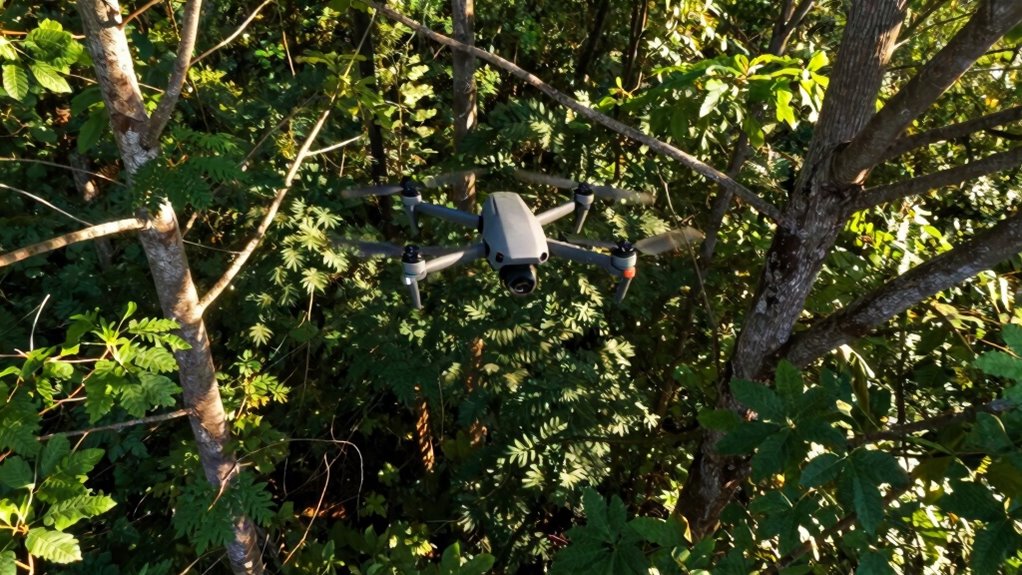
In essence, flying an FPV drone offers an immersive experience that standard camera drones can’t match. Imagine cruising through a dense forest, feeling completely in control and connected to every twist and turn—like a professional pilot. For instance, a drone enthusiast used FPV racing to capture stunning, adrenaline-fueled footage of mountain trails, showcasing how these drones transform ordinary perspectives into extraordinary adventures. Once you experience FPV flying, you’ll understand why it feels so uniquely exhilarating.
As an affiliate, we earn on qualifying purchases.
professional cinematic camera drone
As an affiliate, we earn on qualifying purchases.
As an affiliate, we earn on qualifying purchases.
Fall Picks
fall essentials
As an affiliate, we earn on qualifying purchases.