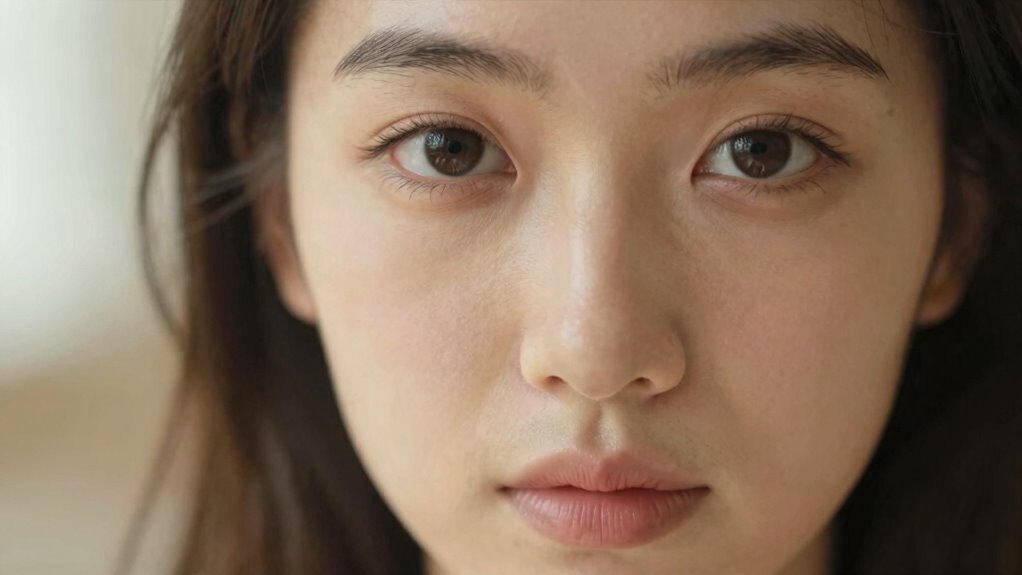

A great portrait lens helps you capture sharp images while beautifully blurring the background to make your subject stand out. Look for lenses with longer focal lengths like 85mm or 135mm, which compress the scene and create a flattering look. Wide apertures such as f/1.4 or f/2.8 help achieve creamy bokeh and soften skin. Mastering these qualities allows you to craft compelling portraits that highlight emotion and personality—if you keep exploring, you’ll discover even more ways to elevate your portraits.
Open a free Amazon Business account
Business pricing, bulk buying and tax-exempt orders.
As an affiliate, we earn on qualifying purchases.
Key Takeaways
- A great portrait lens offers a flattering focal length, typically between 85mm and 135mm, for natural subject proportions.
- Wide apertures (f/1.4 or f/2.8) create beautiful background blur, isolating the subject effectively.
- Sharpness and performance in various lighting conditions ensure detailed, high-quality images.
- Minimal distortion and pleasing compression enhance facial features and overall portrait aesthetics.
- Compatibility with camera systems and ease of handling contribute to a seamless shooting experience.

Capturing stunning portraits with your lens requires more than just pointing and shooting; understanding how to leverage your lens’s strengths can make a significant difference. One of the key factors is selecting the right lens, but equally important are your techniques in lighting and background selection. These elements work together to create compelling images that highlight your subject’s personality and mood.
Master your lens, lighting, and background to craft compelling, emotionally resonant portraits.
When it comes to lighting techniques, the goal is to shape and control light to flatter your subject. Soft, diffused light often works best for portraits, reducing harsh shadows and skin imperfections. You might use natural light during golden hour for a warm glow or employ reflectors and diffusers to manipulate sunlight. Remember, the direction of light influences the mood—front lighting creates a clean, even look, while side or backlighting adds depth and drama. Your lens’s ability to handle different lighting conditions, especially with wide apertures, allows you to achieve beautiful background blur (bokeh) while maintaining sharpness on your subject. Additionally, understanding your camera’s lens characteristics helps you optimize settings for various lighting environments. Knowing how your lens performs in different conditions can greatly enhance your control over the final image.
Background selection plays a fundamental role in making your subject stand out. Choose backgrounds that complement rather than compete with your subject. A simple, uncluttered backdrop helps draw attention directly to the face, while textured or colorful backgrounds can add context or mood if used thoughtfully. Your lens’s focal length matters here; a longer lens, such as a 85mm or 135mm, allows you to shoot from a distance, compressing the background and creating a pleasing separation. This compression helps isolate your subject and minimizes distractions, making the background an aesthetic part of the composition rather than a distraction. Being mindful of your aperture settings also influences how much of the background is in focus, helping you craft the desired depth of field.
The combination of the right lens, lighting techniques, and background selection allows you to craft portraits that feel intimate and professional. Use your lens’s aperture to control depth of field—wider apertures like f/1.4 or f/2.8 create that signature creamy background blur, making your subject pop. Be mindful of your background choice; even with a beautiful lens, a busy or distracting background can undermine your efforts. Position your subject thoughtfully, ensuring the background offers enough contrast or texture to enhance the portrait without overwhelming it. Understanding camera lens characteristics is essential to mastering these techniques effectively. When you align your technical knowledge with your creative vision, the results can be truly striking.
In essence, a great portrait lens isn’t just about the hardware but how you use it in conjunction with your lighting and background choices. Master these elements, and your portraits will not only capture looks but also evoke emotion. Every shot becomes an opportunity to tell a story, and your lens becomes a crucial tool in that storytelling process.
As an affiliate, we earn on qualifying purchases.
Frequently Asked Questions
How Does Aperture Size Affect Portrait Photography?
Aperture size greatly impacts your portrait photography by controlling lighting techniques and background blur. A larger aperture (smaller f-number) lets in more light, perfect for low-light conditions and creating a shallow depth of field. This results in a beautifully blurred background, making your subject stand out sharply. Conversely, a smaller aperture lets in less light, providing more focus in the background. Adjusting aperture helps you craft the mood and emphasis of your portraits.
What Is the Ideal Focal Length for a Portrait Lens?
For stunning portraits, you want a lens with an ideal focal length of around 85mm to 135mm. This range creates a flattering perspective, avoiding distortion and capturing beautiful skin tones. To enhance your shot, use lighting techniques that highlight facial features and background selection that complements your subject. Together, these choices guarantee your portraits are mesmerizing, with perfect focus, natural lighting, and a background that makes your subject truly stand out.
Can a Zoom Lens Replace a Prime Portrait Lens?
A zoom lens can replace a prime portrait lens because of its lens versatility, allowing you to cover multiple focal lengths without changing lenses. While zooms offer convenience, the zoom vs prime debate hinges on image quality and maximum aperture. Prime lenses typically deliver sharper images and better low-light performance, but a high-quality zoom can be a practical choice for flexibility and capturing varied portrait styles.
How Important Is Lens Sharpness in Portraits?
Lens sharpness is essential in portraits, as it captures fine details and adds impact. Studies show sharp lenses enhance subject clarity and emotional connection. You should focus on lighting techniques and background selection to complement sharpness, ensuring your subject stands out. A sharp lens highlights facial expressions and textures, making your portraits more compelling. Prioritize sharpness along with thoughtful lighting and backgrounds for stunning, professional results.
Do Different Skin Tones Require Different Lens Choices?
Different skin tones benefit from lens choices that prioritize skin tone adaptation and lens color rendering. You should select lenses that enhance the warmth or coolness of skin tones, making portraits look natural and flattering. For darker skin, lenses with good color rendering avoid dullness, while for lighter skin, they prevent overexposure. Ultimately, understanding how your lens handles skin tone variation helps you capture authentic, beautiful portraits every time.
As an affiliate, we earn on qualifying purchases.
Conclusion
Choosing the right portrait lens isn’t just about technical specs; it’s about capturing the soul behind the eyes. Remember, a great lens is your brush, and your subject is your canvas—together, they create a masterpiece. Trust your instincts, experiment, and let your passion guide you. After all, isn’t the true magic of portraiture found in the stories your lens reveals, turning simple moments into timeless tales? Keep shooting, and let your creativity shine!
As an affiliate, we earn on qualifying purchases.
As an affiliate, we earn on qualifying purchases.
NFL season / tailgating Picks
team gear
As an affiliate, we earn on qualifying purchases.