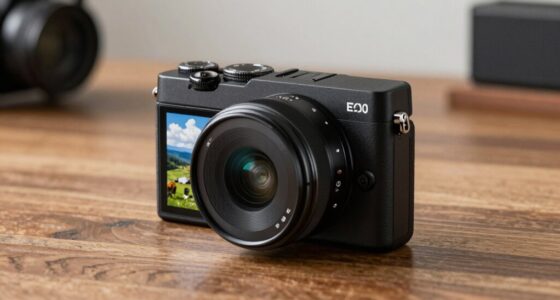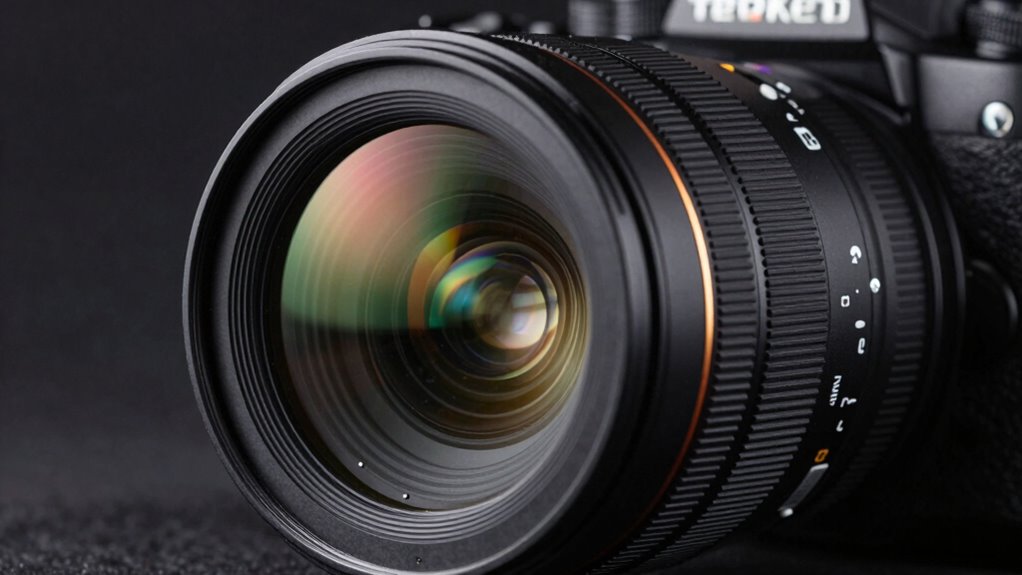

High-quality lenses cost more than entire cameras because they involve complex engineering, advanced coatings, and precise manufacturing to achieve superior sharpness, color accuracy, and minimal distortion. They are designed to work seamlessly with cutting-edge sensors, requiring sophisticated optics and meticulous assembly. This level of craftsmanship and technology makes them a significant investment, often surpassing camera prices. If you keep exploring, you’ll discover the detailed elements behind this impressive technology.
Key Takeaways
- High-quality lenses involve complex optical design and advanced coatings that significantly increase manufacturing costs.
- They are engineered to perfectly match cutting-edge sensors, requiring precise alignment and specialized materials.
- Manufacturing involves tight tolerances, sophisticated machinery, and meticulous assembly, driving up production expenses.
- The integration of advanced sensor-compatible technology and craftsmanship elevates lens prices beyond camera bodies.
- Lenses deliver unparalleled image quality, sharpness, and color accuracy, making them a premium investment.

If you’re new to photography, you might assume that your camera body is the most expensive part of your gear. While camera bodies can be pricey, the truth is that high-quality lenses often cost more. That’s because lenses involve complex engineering and meticulous craftsmanship to produce images with sharpness, color accuracy, and minimal distortion. When you look at a premium lens, you’re paying not just for the glass but for the advanced sensor technology and manufacturing precision that go into creating it.
Sensor technology plays an essential role in lens quality. Modern lenses are designed to work seamlessly with cutting-edge sensors, guaranteeing that light enters the camera in the most precise way possible. High-end lenses incorporate special coatings and elements to reduce flare, ghosting, and chromatic aberrations—issues that can ruin an otherwise perfect shot. These coatings and elements require advanced manufacturing techniques that add to the cost. The goal is to deliver cleaner, crisper images that match the capabilities of the latest sensors, which themselves are marvels of sensor technology development. Additionally, the integration of optical design ensures that lenses can correct aberrations and deliver optimal image quality across various conditions. The manufacturing process, which involves tight tolerances and high-quality materials, further contributes to their high price tags. A precision engineering approach guarantees that each lens meets strict standards for performance and durability. This combination of factors results in lenses that are not only expensive but also highly specialized tools for achieving professional-level results.
Manufacturing precision is another reason why lenses can be so expensive. Unlike camera bodies, which are mass-produced with standard components, high-end lenses demand exacting tolerances. Each element inside a lens must be aligned perfectly to guarantee ideal image quality. Achieving this level of precision involves advanced machinery and meticulous assembly processes, often in specialized facilities. Advanced manufacturing techniques are employed to ensure consistency and quality at every stage. Precision engineering not only enhances image quality but also improves durability and ease of use. When you purchase a premium lens, you’re investing in this painstaking craftsmanship, which ensures that each element works harmoniously to produce the best possible image.
Furthermore, high-end lenses often feature complex optical designs with multiple elements and groups to correct various aberrations. These intricate designs require advanced optical calculations and high-quality materials, both of which drive up manufacturing costs. The labor-intensive process of assembling these lenses, combined with rigorous testing to meet strict quality standards, contributes to their high price tags. This meticulous process ensures that the final product meets the expectations of professional photographers and enthusiasts alike. The use of advanced optical calculations helps optimize performance and image fidelity, further elevating the costs involved.
In essence, you’re paying for more than just glass when you buy a top-tier lens. You’re paying for the integration of advanced sensor technology, tight manufacturing precision, and sophisticated optical design—all of which come together to deliver unparalleled image quality. That’s why some lenses cost more than entire cameras; they represent the pinnacle of engineering and craftsmanship, designed to give you the sharpest, most accurate images possible.

Xenvo Pro Lens Kit for iPhone and Android, Macro and Wide Angle Lens with LED Light and Travel Case Black
- Universal Compatibility: Works with all smartphones, tablets, laptops
- Wide Angle Lens: Capture 45% more with no vignetting
- Premium Construction: Aircraft-grade aluminum and optical glass
As an affiliate, we earn on qualifying purchases.
As an affiliate, we earn on qualifying purchases.
Frequently Asked Questions
How Do Lens Manufacturing Costs Differ From Camera Production Costs?
You’ll notice lens manufacturing costs are higher because they require exceptional manufacturing precision and high-quality materials to guarantee durability and optical clarity. Unlike cameras, lenses have complex elements and coatings that demand meticulous assembly and testing. This focus on lens durability and precision boosts production costs, making some lenses more expensive, even though cameras might be simpler to assemble. Your investment in a quality lens pays off in sharper, more reliable images.
Why Do Professional Lenses Have Such Complex Optical Designs?
You’ll notice professional lenses have complex optical designs because they require exceptional optical precision to produce sharp, clear images across various conditions. The component complexity increases with multiple elements and specialized coatings, reducing distortions and aberrations. This intricate design demands advanced manufacturing techniques and tight tolerances, making these lenses more costly. You get superior image quality and versatility, but it also means the lenses are more intricate and expensive to produce.
How Does Lens Rarity Affect Its Price?
Ever wondered why lens rarity affects its price? When a lens becomes rare, collectors and enthusiasts drive up its market demand, making it more expensive. Limited editions, discontinued models, or unique designs attract those wanting exclusivity. You might find yourself paying a premium for a rare lens simply because fewer exist, and the desire to own something exclusive fuels its high value. Rarity truly makes a lens priceless to the right buyer.
What Materials Are Used in High-End Lens Construction?
High-end lenses use premium material composition like low-dispersion glass, exotic metals, and high-quality plastics for durability and optical clarity. Manufacturing precision is essential, involving meticulous assembly and advanced coating techniques to minimize aberrations and flare. These materials and processes ensure superior image quality and longevity, which is why such lenses command higher prices. You benefit from enhanced sharpness, color accuracy, and durability, making the investment worthwhile for professional or serious photography enthusiasts.
Do Lens Prices Reflect Their Actual Image Quality?
Yes, lens prices often seem like they’re worth more than your car, but they do reflect their image quality—especially with vintage aesthetics and brand prestige. High-priced lenses deliver sharper, more vibrant images and unique character that cheaper ones can’t match. You’re paying for precision craftsmanship, innovative coatings, and brand reputation, which all contribute to stunning photos. So, in most cases, a pricier lens truly enhances your image quality considerably.

366 days Backup Camera Cleaner & Hydrophobic Coating Dirt Free Spray for Rear View & Reverse Camera Lens – Repels Dirt & Water on Parking Sensors & Side Mirrors – No Visible Residue – 99 ml
- Designed for Backup Cameras: Reduces dirt and grime buildup
- Hydrophobic Coating: Repels water and mud
- Optimized for Camera Lenses: Minimizes visible residue
As an affiliate, we earn on qualifying purchases.
As an affiliate, we earn on qualifying purchases.
Conclusion
So, next time you’re choosing gear, remember that a high-quality lens can be worth more than the camera body itself. Imagine capturing stunning wildlife photos with a specialized telephoto lens—it’s worth the investment. For instance, professional photographers often spend thousands on lenses to guarantee crystal-clear images. In the end, your lens choice can make or break your photos, proving that sometimes, the right glass truly costs more than the camera behind it.
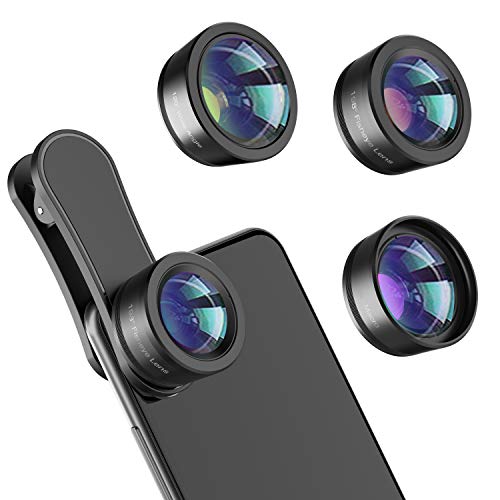
Phone Camera Lens,Upgraded 3 in 1 Phone Lens kit-198° Fisheye Lens + Macro Lens + 120° Wide Angle Lens,Clip on Cell Phone Lens Kit Compatible with Samsung Android Smartphones
- Premium Material: Industrial grade aluminum and optic lenses
- 3-in-1 Lens Kit: Fisheye, macro, and wide-angle lenses
- Wide-Angle Lens: 120° field of view for landscapes and group photos
As an affiliate, we earn on qualifying purchases.
As an affiliate, we earn on qualifying purchases.

Ailun Screen Protector + Camera Lens Protector for iPhone 17 Pro, 3+3 Pack
- Includes 3 Screen and 3 Lens Protectors: Complete protection pack with installation frame
- Designed for iPhone 17 Pro 6.3 Inch: Slightly smaller for case compatibility
- Maximized full-screen coverage: Provides comprehensive display protection
As an affiliate, we earn on qualifying purchases.
As an affiliate, we earn on qualifying purchases.