Full-frame cameras still matter because their larger sensors capture more light, detail, and offer better image quality than smartphones. They handle low-light situations with less noise and provide more creative control over depth of field and focus. This means you can take sharper, richer, and more natural-looking photos, especially in challenging conditions. If you want to discover how these advantages can elevate your photography, keep exploring what full-frame cameras can do for you.
Key Takeaways
- Full-frame sensors capture more light, resulting in sharper, more detailed images than smartphones.
- They excel in low-light conditions, producing less noise and more natural colors.
- Offer greater creative control with interchangeable lenses and adjustable depth of field.
- Provide superior dynamic range, handling high contrast scenes more effectively.
- Support professional-level photography, maintaining relevance despite smartphone advancements.

Despite the rise of smartphones with advanced camera systems, full-frame cameras continue to hold an essential place in the photography world. You might wonder why, given the convenience and technological leaps in mobile photography, dedicated cameras still matter. The answer largely comes down to sensor size and image quality. Full-frame sensors are considerably larger than those in smartphones, allowing them to capture more light and detail. This larger sensor size translates into images that are sharper, richer in color, and have better dynamic range. When you’re shooting in challenging lighting conditions—like low light or high contrast scenes—these advantages become even more apparent. Smartphones often struggle in these scenarios, producing grainy or washed-out images, whereas full-frame cameras excel because of their superior sensor capabilities. Moreover, full-frame cameras often feature superior autofocus systems and faster shutter speeds, enabling more precise and spontaneous shots in dynamic environments.
Full-frame sensors capture more light and detail, delivering sharper, richer images with better dynamic range in challenging lighting conditions.
You might also notice that full-frame cameras give you more control over your images. With a larger sensor, there’s greater flexibility in adjusting depth of field, allowing you to create beautifully blurred backgrounds—something that’s much harder to achieve with a smartphone. This control over depth of field lets you isolate your subject more effectively, resulting in professional-looking photos. Plus, full-frame cameras typically support higher-quality lenses, which means sharper images across the frame and more creative options for your photography. You can switch between wide-angle, telephoto, or macro lenses, depending on what you want to capture, giving you a versatility that smartphones simply can’t match.
Another point to think about is that full-frame cameras handle noise better at higher ISO settings. When you’re shooting in dim environments, you won’t have to compromise on image quality as much as you would with a smartphone. This is especially important for landscape, astrophotography, or event photography, where capturing fine details without a lot of noise is vital. Additionally, full-frame cameras produce images with a more natural look, with better color accuracy and tonal gradation. This means your photos will look more true-to-life and have a professional finish, which is why many seasoned photographers prefer them for their work. For those serious about image quality, the sensor size of full-frame cameras is a fundamental advantage that remains unmatched in mobile devices.
While smartphones continue to improve and offer impressive convenience, they’re still limited by their smaller sensor size. Full-frame cameras, on the other hand, give you a level of quality and control that’s difficult to replicate with a mobile device. If you’re serious about photography and want the best possible image quality, investing in a full-frame camera remains a wise choice—especially when you want to push your creative boundaries and produce images that truly stand out.

Sony Alpha A7 III 24.2MP Full Frame Mirrorless Camera with 28 70mm (Black)
Advanced 24.2MP BSI Full-frame Image Sensor w/ 1.8X readout speed Advanced 24.2MP Back-Illuminated 35mm Full-frame Image Sensor
As an affiliate, we earn on qualifying purchases.
As an affiliate, we earn on qualifying purchases.
Frequently Asked Questions
How Do Full-Frame Sensors Affect Low-Light Photography Quality?
Full-frame sensors greatly boost low-light photography by offering larger sensor size, which captures more light. This improved ISO performance reduces noise and enhances image clarity in dim conditions. When you use a full-frame camera, you’re able to push ISO higher without sacrificing quality, resulting in brighter, sharper photos even in challenging lighting. So, if you want better low-light shots, a full-frame sensor is a clear advantage.
What Is the Cost Difference Between Full-Frame and Smartphone Cameras?
You’ll find that full-frame cameras cost considerably more than smartphones—often thousands of dollars—mainly due to their larger sensor size and higher image resolution. Think of it like buying a high-performance sports car versus a compact car; the sensor size and quality come at a premium. While smartphones are more budget-friendly, they can’t match the depth, detail, and low-light performance that full-frame cameras deliver.
Can Full-Frame Cameras Be Used Effectively for Video Recording?
Yes, full-frame cameras can be used effectively for video recording. Their larger sensor size captures more light and detail, resulting in higher-quality footage. Advanced autofocus technology guarantees sharp focus even during movement, making them ideal for cinematic videos. You benefit from better depth of field control and low-light performance, giving your videos a professional look. While they require more effort to operate, their capabilities make them a powerful tool for serious videographers.
How Do Full-Frame Cameras Impact Depth of Field Control?
Full-frame cameras give you superior depth of field control because of their larger sensor size. With a bigger sensor, you can create a beautifully blurred background, making your subject stand out sharply. This increased control enhances image sharpness and detail, especially in low-light situations. You can achieve a more professional look by adjusting aperture settings, which isn’t as effective with smaller sensors found in smartphones.
Are Full-Frame Cameras Suitable for Beginner Photographers?
A wise person once said, “You’re never too old to learn.” Full-frame cameras are suitable for beginners because they offer excellent image quality, better lens selection, and impressive autofocus speed. While they may seem intimidating at first, with proper guidance, you’ll quickly grasp their features. They’re versatile enough to grow with your skills, making them a smart investment for anyone enthusiastic to learn photography basics and beyond.

Canon EF 75-300mm f/4-5.6 III Telephoto Zoom Lens for Canon SLR Cameras
75-300 millimeter telephoto zoom lens with f 4-5.6 maximum aperture for Canon SLR cameras
As an affiliate, we earn on qualifying purchases.
As an affiliate, we earn on qualifying purchases.
Conclusion
Even in a world dominated by smartphones, full-frame cameras remain the quiet maestros of photography, wielding a brush with broader strokes and richer hues. They remind you that true artistry isn’t about convenience but about capturing life’s symphony with depth and clarity. Like a seasoned painter’s palette, they offer a spectrum that smartphones can’t quite replicate. In this dance of pixels, full-frame cameras still lead, turning fleeting moments into timeless masterpieces.
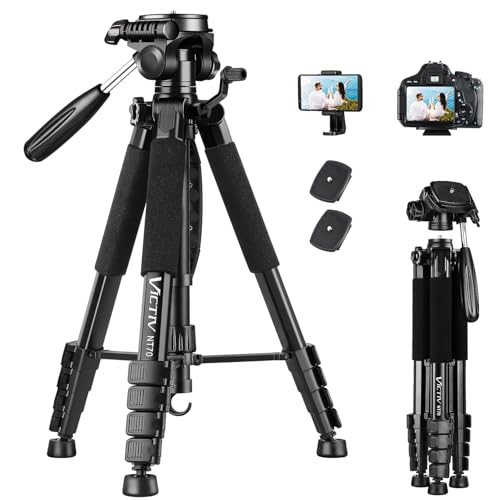
VICTIV 74” Camera Tripod, Tripod for Camera and Phone, Aluminum Professional Tripod Stand for Canon Nikon with Carry Bag and Phone Holder, Compatible with DSLR, iPhone, Spotting Scopes, Max Load 9.5Lb
【74 Inch Tall Tripod and Compact Tripod】 This tall camera tripod has a height adjustment range of 19-74…
As an affiliate, we earn on qualifying purchases.
As an affiliate, we earn on qualifying purchases.
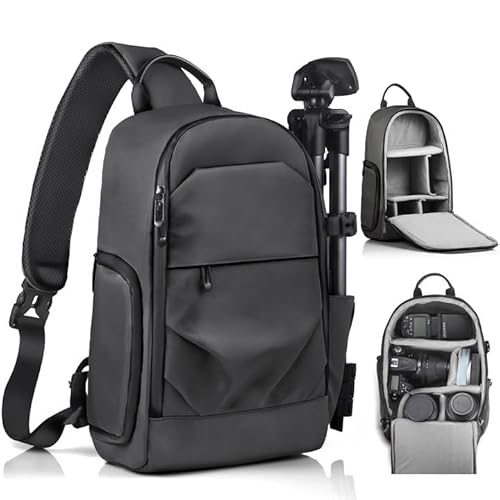
TAAOKA Camera Sling Bag for Photographer– Waterproof Crossbody Camera Bag with Fast Access Pockets, Thick Shockproof Photography Backpack with Tripod Holder, DSLR camera bag for Nikon/Sony/Canon
【🛡️Premium Waterproof Fabric & Thick Inner】: Crafted from durable nylon with thick inner padding for enhanced protection, The…
As an affiliate, we earn on qualifying purchases.
As an affiliate, we earn on qualifying purchases.