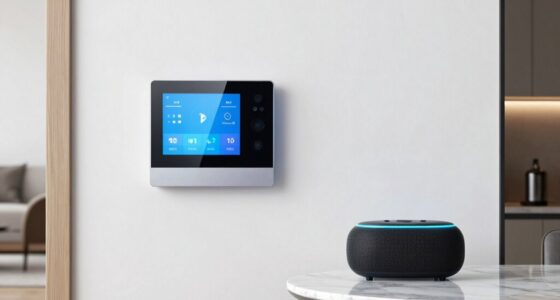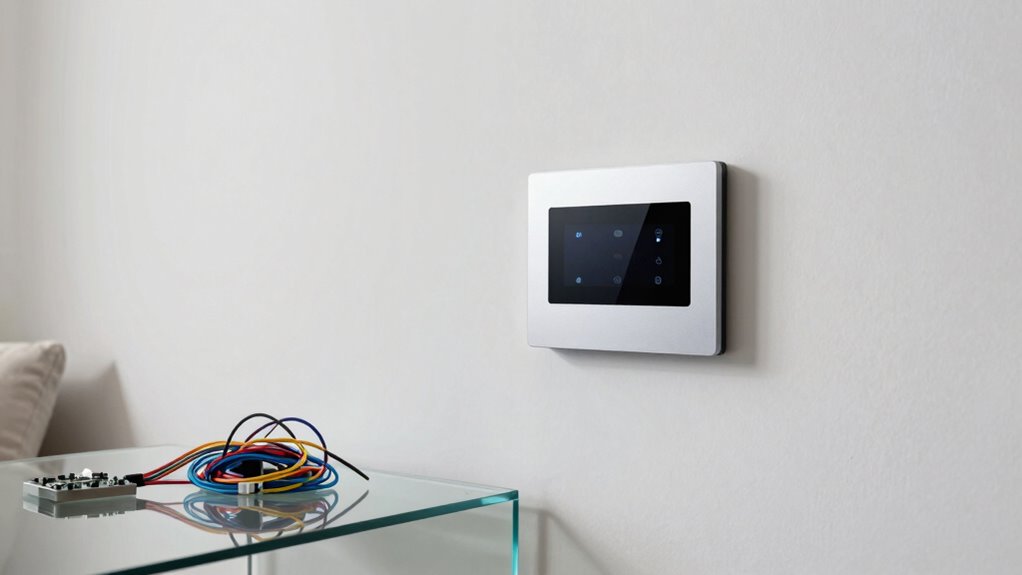

Behind the simple look of smart homes, complex systems work tirelessly to manage data, guarantee security, and automate functions. These systems translate your commands into digital signals, often relying on advanced algorithms and cloud connectivity. They handle sensitive personal data, balancing convenience with privacy risks. Multiple layers of encryption and access controls protect your information, but vulnerabilities still exist. If you’re curious about how all this intricate technology functions together smoothly, you’ll discover more as you explore further.

Get the latest gadgets delivered free — and shop member deals
- Fast, free delivery on millions of items
- Access to Prime Big Deal Days deals on October 6–7
- Prime Video, Amazon Music and more included
Key Takeaways
- Simple interfaces mask complex algorithms, security protocols, and data management systems working behind the scenes.
- Seamless user experiences rely on sophisticated technology handling intricate commands and routines securely.
- Extensive data collection and transmission pose privacy risks despite encryption and access controls.
- Ongoing research aims to enhance security measures without compromising ease of use.
- Manufacturers balance user convenience with privacy safeguards, navigating the complexity of smart home systems.

Have you ever wondered what really goes on behind the scenes of your simple smart home? It might seem straightforward—lights turn on with a tap, your thermostat adjusts automatically, and security cameras keep watch. But beneath this ease of use lies a web of complex technology working tirelessly to keep everything running smoothly. When you interact with your smart home, you’re engaging with a user interface designed to make control intuitive. Whether it’s a mobile app, voice command, or touchscreen panel, these interfaces translate your commands into digital signals that your devices understand. However, behind that seamless experience, significant technical challenges exist. Developers must balance simplicity with functionality, guaranteeing the interface is easy for anyone to use, yet robust enough to handle intricate commands and settings. A poorly designed user interface can cause frustration, leading users to disable features or lose confidence in their devices altogether. So, companies invest heavily in making these interfaces as user-friendly as possible, often using AI to predict your needs or streamline controls. But this convenience comes with a critical concern—data privacy. Smart home devices collect vast amounts of personal information: your daily routines, preferences, even sensitive security footage. All of this data must travel through cloud servers or be stored locally, raising questions about who has access and how securely it’s protected. If data privacy isn’t managed carefully, your personal information could be vulnerable to breaches or misuse. That’s why many manufacturers implement encryption and strict access controls, but no system is entirely foolproof. As a user, you should remain aware of what data your devices collect and how it’s shared or stored. Sometimes, the very features that make your smart home convenient—like voice recognition or automated routines—require transmitting data to external servers. This process introduces risks that you might not immediately consider until you hear about a data breach or unauthorized access. While companies endeavor to balance user-friendly interfaces with privacy safeguards, the ongoing challenge remains: making your experience seamless without compromising your personal security. Behind your simple smart home, complex algorithms, security protocols, and data management systems work in tandem to deliver a smooth experience. The user interface serves as the bridge, hiding much of that complexity, which is made possible by advancements in AI-driven technology. In addition, ongoing research aims to develop more secure methods for data encryption, ensuring that personal information remains protected even as technology advances. Moreover, understanding the underlying privacy implications helps you become a smarter user. Ultimately, your smart home is a marvel of modern technology—simple on the surface but packed with intricate systems designed to protect your data, ensure reliability, and provide a user experience that feels effortless.
As an affiliate, we earn on qualifying purchases.
Frequently Asked Questions
How Do Smart Home Devices Communicate Securely With Each Other?
Smart home devices communicate securely by using encryption protocols that scramble data, making it unreadable to outsiders. They also rely on device authentication, ensuring each device is verified before exchanging information. You can think of it like a digital handshake, confirming identities and encrypting data to keep your smart home safe from hacking or unauthorized access. This layered security helps maintain your privacy and keeps your smart home functioning smoothly.
What Are the Energy Consumption Impacts of Smart Home Systems?
Smart home systems can boost energy efficiency by optimizing power management, but they also consume energy themselves. You might notice increased electricity use from devices like hubs and sensors, which run constantly. However, well-designed systems help you save overall energy by automating lighting, heating, and cooling. To minimize the impact, choose energy-efficient devices and set them to operate only when needed, balancing convenience with responsible power management.
How Is User Privacy Managed in Interconnected Smart Home Networks?
You manage user privacy in interconnected smart home networks by ensuring data encryption and promoting user anonymity. Encryption protects your personal data from unauthorized access, while anonymity prevents your identity from being linked to your activity. Regular updates, strong passwords, and secure Wi-Fi networks further enhance privacy. By actively controlling these measures, you keep your smart home safer and more private, giving you peace of mind in your connected environment.
What Are Common Troubleshooting Challenges in Smart Home Setups?
You’ll face troubleshooting challenges that seem endless, like battling a digital beast. Manual overrides can be tricky to activate or deactivate, causing chaos in your system. Device incompatibilities often turn your smart home into a jumbled puzzle, making devices refuse to communicate. Keeping firmware updated and checking compatibility lists help, but patience is key. Expect frustration, but also the satisfaction of conquering these tech hurdles with persistence and a little troubleshooting know-how.
How Do Smart Homes Adapt to Future Technological Advancements?
Smart homes adapt to future technological advancements by seamlessly integrating voice control and AI. You’ll notice updates that enhance voice command accuracy and expand AI capabilities, making your home smarter and more responsive. As technology evolves, your system can incorporate new devices and features, ensuring longevity and convenience. This adaptability keeps your smart home efficient, personalized, and ready for upcoming innovations, without requiring extensive overhauls.
As an affiliate, we earn on qualifying purchases.
Conclusion
So, beneath the sleek surface of your smart home lies a tangled web of wires and whispers, a symphony of unseen complexity. What seems simple is actually an intricate dance of technology and design, quietly working behind the curtains. As you enjoy your effortless comfort, remember that every tap and command is part of a carefully choreographed ballet, reminding you that even the most elegant illusions often hide a labyrinth of ingenuity.
privacy-focused smart home devices
As an affiliate, we earn on qualifying purchases.
As an affiliate, we earn on qualifying purchases.
As an affiliate, we earn on qualifying purchases.
Fall Picks
fall essentials
As an affiliate, we earn on qualifying purchases.