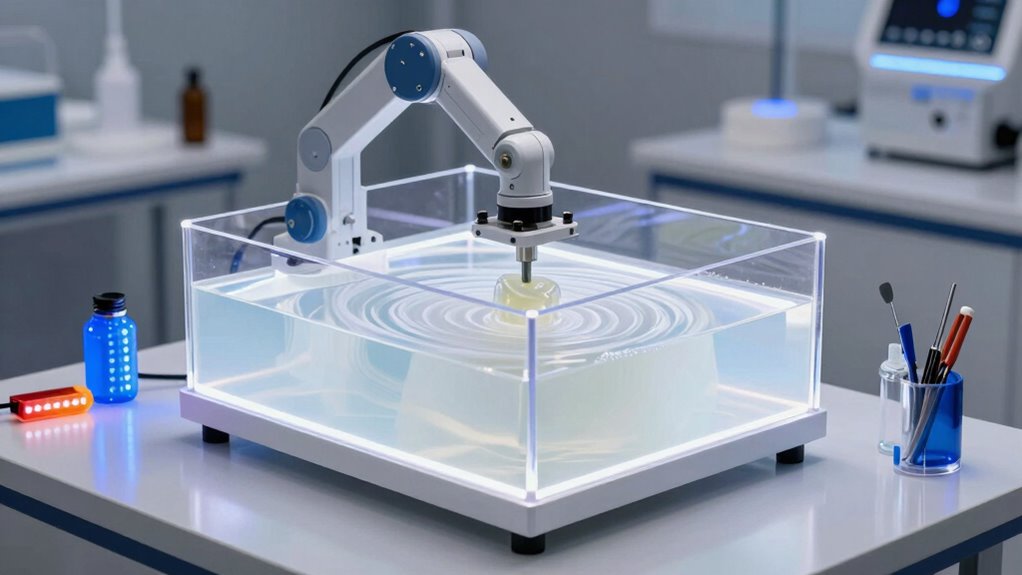

Wash-and-cure stations are essential for resin users because they simplify and speed up post-processing by combining washing and curing into one automated step. They improve safety by containing toxic uncured resin and reduce cleanup time, creating a cleaner workspace. These stations also guarantee your prints are fully hardened, stronger, and with a better finish. If you keep exploring, you’ll discover how these tools can elevate your printing experience even further.

Get the latest gadgets delivered free with Prime
- Fast, free delivery on millions of items
- Prime Video, Amazon Music and more included
- Member-only deals all year
Key Takeaways
- They combine washing and curing, saving time and streamlining the resin post-processing workflow.
- They improve safety by containing hazardous resin residues and minimizing exposure.
- They ensure consistent, thorough curing for stronger, better-finished models.
- They enhance workspace hygiene and help maintain safety standards.
- They enable higher quality, professional-looking prints with less manual effort.
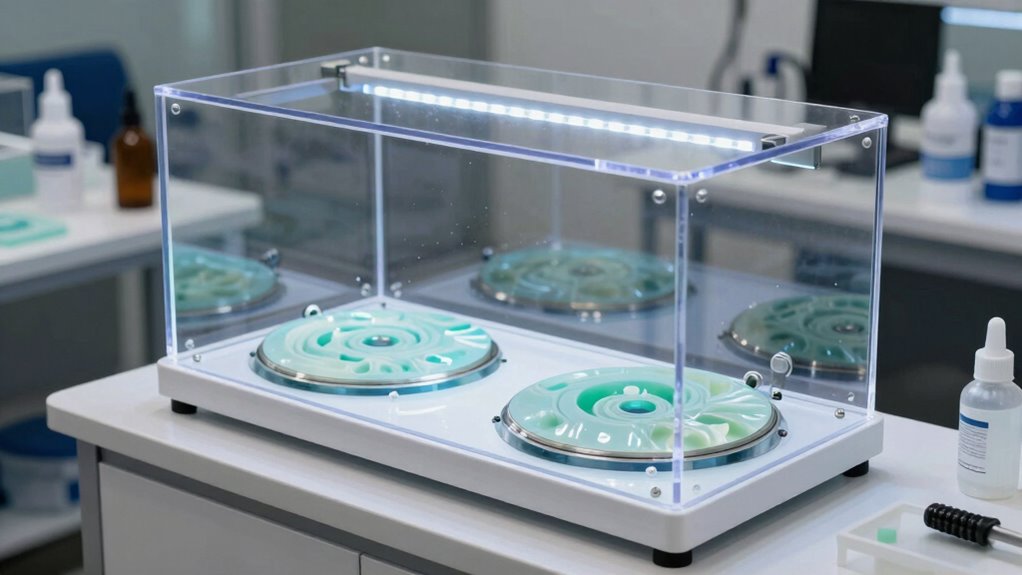
If you’re into resin 3D printing, investing in a wash-and-cure station can considerably improve your workflow and the quality of your prints. These devices streamline the post-processing process, guaranteeing your models come out clean, properly cured, and ready for use or display. One of the main reasons these stations have become essential is because they promote resin safety. Handling uncured resin can be hazardous; it’s toxic and skin-irritating, so minimizing exposure is imperative. A dedicated wash-and-cure station keeps your workspace cleaner and reduces contact with hazardous materials. By containing the washing process within a sealed chamber, you lessen the risk of spills and airborne resin particles, helping you maintain a safer environment. Ensuring proper resin safety protocols is crucial for protecting yourself and maintaining a compliant workspace. Implementing these stations also supports compliance with safety standards and regulations, which is vital for professional or shared workspaces.
Moreover, using a wash-and-cure station enhances curing techniques, which are indispensable for achieving ideal print strength and detail. Proper curing ensures that the resin fully hardens, improving layer adhesion and reducing tackiness or stickiness on the surface. This final step is often overlooked but plays a critical role in the durability and appearance of your prints. With a dedicated station, you can set precise curing times and uniform light exposure, leading to consistent results across multiple prints. The integration of curing technology within these stations helps automate and optimize the process, ensuring higher quality outcomes. Additionally, investing in emerging trends like automated post-processing is helping enthusiasts achieve professional-quality results more easily. Incorporating proper post-processing techniques can further enhance the overall finish and longevity of your models. These advancements not only improve the quality but also contribute to a more efficient and predictable printing workflow.
Another advantage is the efficiency a wash-and-cure station brings to your workflow. Instead of manually washing prints with brushes or using separate devices, these stations combine cleaning and curing in a single, streamlined process. This saves you time and effort, especially when working on multiple models. Additionally, many stations come with adjustable settings, allowing you to customize the wash and cure cycles based on resin type and complexity. This flexibility guarantees you get the best results without damaging delicate details or causing warping. Furthermore, some stations incorporate automation features, reducing the likelihood of human error and ensuring consistent results every time.
In the end, a wash-and-cure station is a smart investment for resin enthusiasts who want cleaner, safer, and more professional-looking models. They promote safer resin handling, improve curing techniques, and boost overall efficiency. By making post-processing more consistent and less labor-intensive, these stations help you produce higher-quality prints while keeping your workspace safer. If you’re serious about resin 3D printing, a wash-and-cure station isn’t just a luxury—it’s a necessity that elevates your entire printing experience.
As an affiliate, we earn on qualifying purchases.
Frequently Asked Questions
Can Wash-And-Cure Stations Be Used for Different Resin Types?
Yes, wash-and-cure stations can be used for different resin types, but you need to take into account resin compatibility. Some stations are versatile and work well across various resins, ensuring cleaning efficiency without damaging the materials. Always check the manufacturer’s guidelines for each resin type, and adjust settings if needed. Properly selecting a compatible station helps you achieve ideal cleaning results and prolongs the lifespan of your equipment.
How Do Wash-And-Cure Stations Impact Print Quality?
Wash-and-cure stations substantially improve your print quality by ensuring thorough post-processing. They streamline post-processing efficiency by automating cleaning and curing, reducing manual handling errors. Proper resin compatibility is essential; using a station suited for your resin type prevents damage and maintains ideal finish. This combination results in smoother surfaces, finer details, and stronger prints, making your overall workflow more reliable and your final models more precise.
Are Wash-And-Cure Stations Compatible With All 3D Printers?
About 85% of resin users find wash-and-cure stations compatible with their printers, but not all models are universal. You’ll want to check the material compatibility, as some stations are designed for specific resins. Additionally, using a wash-and-cure station simplifies maintenance procedures, helping you keep your printer in top condition. Always verify compatibility before purchase to guarantee seamless integration and best print results.
What Safety Precautions Should Be Taken When Using These Stations?
When using wash-and-cure stations, you should always wear protective gear like gloves and goggles to prevent resin contact and fumes. Guarantee proper ventilation by working in a well-ventilated area or using an exhaust system, as resin fumes can be hazardous. Follow safety instructions closely, avoid skin contact, and keep the station clean. These precautions help protect your health and ensure safe, effective use of your resin curing process.
How Long Do Wash-And-Cure Stations Typically Last?
Wash-and-cure stations typically last around 1 to 3 years, depending on usage and maintenance. You should regularly check the resin shelf and cleaning solutions to guarantee they’re in good condition. Proper cleaning and avoiding harsh chemicals extend their lifespan. Keep an eye on the station’s components, replace worn parts promptly, and follow manufacturer guidelines to maximize longevity and keep your resin printing process smooth and safe.
automated resin post-processing machine
As an affiliate, we earn on qualifying purchases.
As an affiliate, we earn on qualifying purchases.
Conclusion
As a resin user, embracing wash-and-cure stations isn’t just a convenience—it’s essential. These stations streamline your workflow, improve print quality, and keep your workspace safe. Did you know that over 70% of resin enthusiasts report fewer failed prints after adopting these stations? Investing in one means saving time, reducing mess, and achieving better results. So, upgrade your setup today, and see how these stations can transform your 3D printing experience for the better.
As an affiliate, we earn on qualifying purchases.
resin print cleaning and curing system
As an affiliate, we earn on qualifying purchases.
As an affiliate, we earn on qualifying purchases.
Halloween Picks
halloween
As an affiliate, we earn on qualifying purchases.