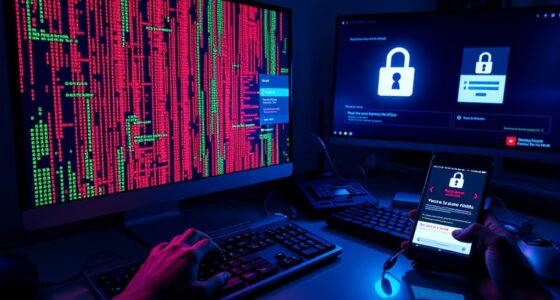
Even if you believe your data isn’t valuable enough to attract cybercriminals, a breach can still damage your reputation, customer trust, and legal standing. Small organizations are often targeted because they’re seen as less prepared, and any breach can lead to hefty fines or lasting credibility issues. Staying proactive with cybersecurity measures and understanding your data privacy responsibilities can protect your organization’s future. Keep exploring to learn how to better safeguard your business.

Get the latest gadgets delivered free — and shop member deals
- Fast, free delivery on millions of items
- Access to Prime Big Deal Days deals on October 6–7
- Prime Video, Amazon Music and more included
Key Takeaways
- Even small breaches can damage reputation and erode customer trust, impacting long-term business success.
- Cybercriminals target organizations of all sizes, regardless of data volume or perceived importance.
- Data breaches can lead to hefty fines, legal action, and regulatory penalties, regardless of breach size.
- The damage extends beyond stolen data, including brand credibility and future customer relationships.
- Implementing proactive cybersecurity measures helps prevent crises and safeguards organizational integrity.
Data breaches can happen to any organization, and their impact extends far beyond misplaced files or stolen passwords. When sensitive information falls into the wrong hands, it can lead to severe consequences for your reputation, customer trust, and even your legal standing. You might think your business isn’t big enough or doesn’t hold enough valuable data to attract hackers, but that’s a dangerous misconception. Cybercriminals often target smaller organizations precisely because they assume they’re less prepared. This is why understanding the importance of data privacy and implementing robust cybersecurity strategies should be a top priority, regardless of your company’s size.
Even if a breach doesn’t seem immediately damaging, it can have lasting effects on your organization’s credibility. Customers and partners want to know that their information is protected. When a breach occurs, they lose confidence in your ability to keep their data safe, which can lead to lost business and difficulty attracting new clients. Additionally, regulatory bodies are increasingly enforcing data privacy laws, which means you could face hefty fines or legal action if you fail to protect sensitive data. The cost of a breach isn’t just measured in stolen information but also in the damage to your brand and bottom line.
You might believe cybersecurity strategies aren’t necessary if you haven’t experienced an attack before. However, the truth is that cyber threats are constantly evolving, and attackers are becoming more sophisticated. Failing to stay updated with current cybersecurity best practices leaves your organization vulnerable. Proactive measures—like encryption, multi-factor authentication, regular security audits, and employee training—are essential in reducing the risk of a breach. These strategies help you identify vulnerabilities before attackers do and can prevent a minor security lapse from turning into a full-blown crisis. Recognizing that cybersecurity is an ongoing process is key to maintaining strong defenses in today’s digital landscape. Moreover, investing in employee cybersecurity awareness can significantly reduce the likelihood of human error leading to a breach.
It’s also crucial to recognize that data privacy isn’t just a technical issue; it’s a fundamental aspect of your company’s integrity. Respecting your customers’ and employees’ privacy builds trust and demonstrates your commitment to responsible data management. When a breach occurs, it’s often a failure to uphold this trust that causes the most damage. By integrating comprehensive cybersecurity strategies that prioritize data privacy, you’re not just protecting information—you’re safeguarding your organization’s reputation and future. Staying informed about data privacy laws and ensuring compliance can further protect your organization from legal repercussions. Moreover, understanding the role of data storage strategies helps in implementing effective safeguards and minimizing risks.
In the end, data breaches matter even when you think they don’t because the costs extend far beyond lost data. They threaten your organization’s credibility, legal standing, and customer relationships. Staying vigilant with effective cybersecurity strategies and respecting data privacy isn’t just good practice; it’s essential for long-term success in today’s digital landscape. Recognizing that data privacy and security are interconnected is vital for creating a resilient organizational culture.
As an affiliate, we earn on qualifying purchases.
Frequently Asked Questions
How Do Small Businesses Get Affected by Data Breaches?
Small businesses get affected by data breaches through financial losses, damaged reputation, and legal penalties. When you neglect small business cybersecurity or fail at data breach prevention, hackers can access sensitive customer info or financial data, leading to trust issues. These breaches can also disrupt operations and incur costly recovery efforts. Protecting your business with strong cybersecurity measures is essential to prevent attacks and safeguard your reputation.
Can Data Breaches Impact National Security?
Think of data breaches as cracks in a dam—small at first, but they can lead to catastrophic failures. Yes, breaches can impact national security through cyber espionage, exposing sensitive government info. When hackers exploit government vulnerabilities, they can access classified data or disrupt critical infrastructure. This isn’t just about individual privacy; it’s about safeguarding a nation’s safety, economy, and stability from unseen threats hiding behind seemingly minor breaches.
What Are the Signs of a Data Breach?
You’ll notice signs of a data breach through unusual account activity, unexpected password resets, or unfamiliar login locations. Data breach detection tools can help alert you quickly. Stay vigilant about sudden credit card charges or messages about identity theft, which can threaten your identity theft prevention efforts. Regularly monitor your accounts and enable two-factor authentication to catch breaches early and protect your personal information effectively.
How Often Do Data Breaches Occur Worldwide?
Ever wonder how often data breaches happen worldwide? They occur thousands of times each day, exposing cyber vulnerabilities across industries. On average, businesses experience a data breach every 11 seconds, highlighting the fragility of data privacy. These frequent breaches emphasize that no organization is fully immune, making it essential for you to stay vigilant about cybersecurity. Protecting sensitive information should be a top priority to prevent costly consequences.
Are Data Breaches Covered by Insurance?
Yes, data breaches are often covered by insurance, but coverage limitations vary. When a breach occurs, you can file insurance claims to recover costs related to data recovery, legal fees, and reputation management. However, you should carefully review your policy, as some plans exclude certain types of breaches or have caps on coverage. Understanding these details helps guarantee you’re prepared and protected against potential financial damages.
multi-factor authentication devices
As an affiliate, we earn on qualifying purchases.
As an affiliate, we earn on qualifying purchases.
Conclusion
So, next time you brush off a data breach as no big deal, imagine your personal details quietly leaking into the shadows, like secrets spilled at a noisy party. Ironically, what seems insignificant today could be tomorrow’s nightmare—identity theft, fraud, or worse, all lurking just a click away. Remember, ignoring these breaches is like ignoring a small leak in a dam—you might think it’s harmless, until it’s too late to stop the flood.
As an affiliate, we earn on qualifying purchases.
employee cybersecurity training kits
As an affiliate, we earn on qualifying purchases.
As an affiliate, we earn on qualifying purchases.
Halloween Picks
halloween
As an affiliate, we earn on qualifying purchases.