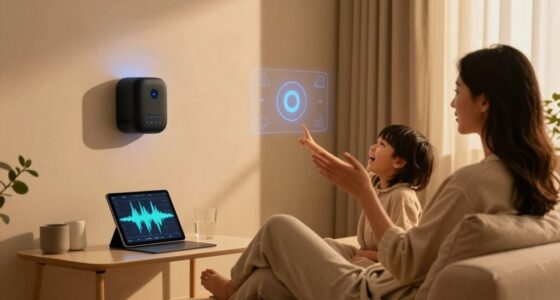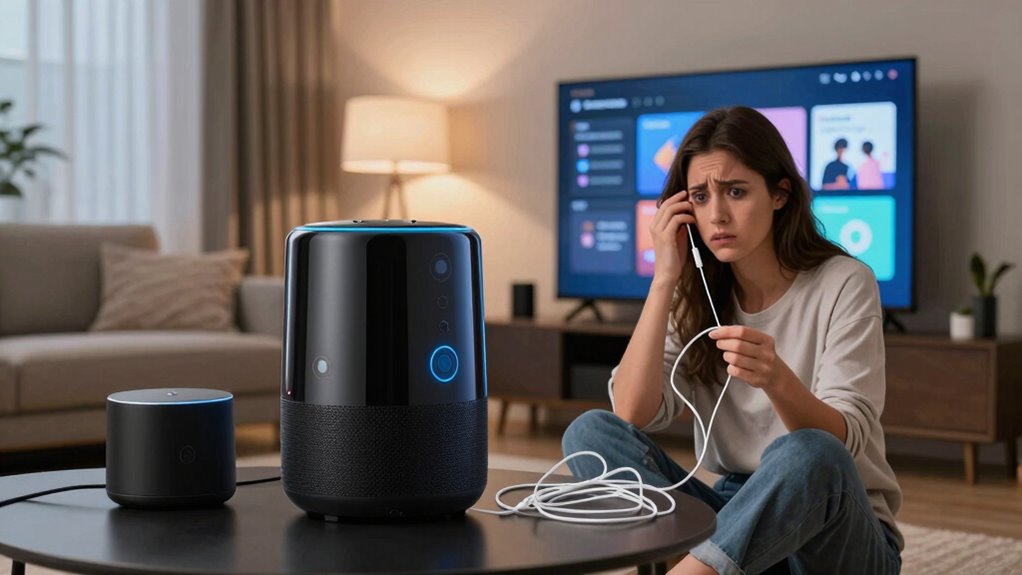

Many people often regret buying smart home devices due to hidden costs, compatibility issues, and security concerns. Devices that are always connected can expose your personal data, and firmware updates are sometimes overlooked, leaving them vulnerable. Sometimes, they become obsolete quickly or don’t work seamlessly with your existing gadgets. Unexpected expenses from repairs or replacements add to the frustration. Stay tuned to uncover key insights to help you avoid these common pitfalls.
Key Takeaways
- Devices that lack proper security updates can expose personal data and increase vulnerability to hacking.
- Compatibility issues with existing systems often lead to frustration and additional expenses.
- Overhyped features may fail to deliver expected convenience, leading to buyer’s remorse.
- High costs for repairs, replacements, or ongoing subscriptions can outweigh perceived benefits.
- Privacy concerns about constant listening and data collection cause users to regret their purchase.
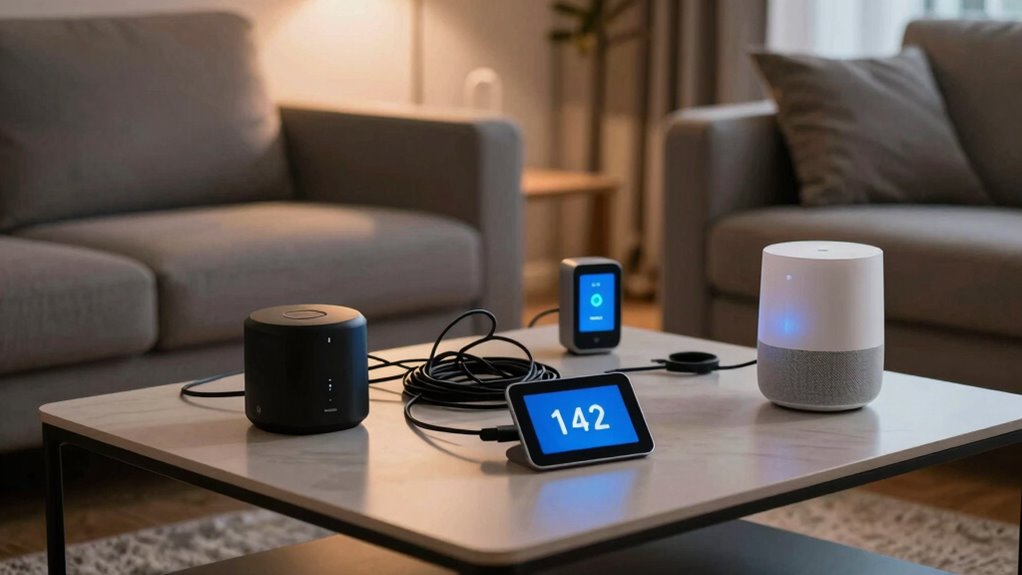
Smart home devices promise convenience and modern living, but many people end up regretting their purchases. You might have thought that adding a smart speaker or a connected thermostat would simplify your daily routine. However, what seems like a good idea can quickly turn into frustration. One common regret revolves around privacy concerns. When you install devices that are always listening or connected to the internet, you might unknowingly expose yourself to data breaches or unwanted surveillance. Some devices collect more information than you realize, and if you’re not careful, your personal data could end up in the wrong hands. This issue often leaves users feeling vulnerable, especially when they discover that their conversations or habits aren’t as private as they thought. The anxiety of potential hacking or data misuse can overshadow the convenience these devices promise. Additionally, many users are unaware of the privacy and security risks associated with these connected gadgets until it’s too late. Being informed about security vulnerabilities can help prevent unintended exposure of personal information. It’s also important to consider how device compatibility issues might lead to frustration and additional expenses down the line. Sometimes, the cost of repairs or replacements can be surprisingly high if the device doesn’t function as expected or becomes obsolete quickly. A lack of understanding about firmware updates can also lead to vulnerabilities if these updates are not regularly applied.
smart home security camera with privacy features
As an affiliate, we earn on qualifying purchases.
As an affiliate, we earn on qualifying purchases.
Frequently Asked Questions
How Can I Prevent Buying the Wrong Smart Home Device?
To prevent buying the wrong smart home device, start by checking device compatibility with your existing setup. Research user reviews to see how others have experienced the product, focusing on reliability and ease of use. Make a clear list of features you need, and compare options carefully. This way, you’ll make informed choices, ensuring the device fits seamlessly into your smart home system and meets your expectations.
Are There Affordable Smart Home Devices With Good Reviews?
Yes, there are affordable smart home devices with good reviews. You can find budget-friendly options like smart plugs, bulbs, and security cameras that many users praise for their reliability and ease of use. To guarantee you’re making a good choice, read user reviews carefully—look for consistent positive feedback and avoid products with frequent complaints. This way, you’ll get quality devices without overspending and minimize regrets.
What Features Should I Prioritize When Choosing a Smart Device?
When choosing a smart device, prioritize device security and user privacy to protect your data. Look for devices with strong encryption, regular firmware updates, and clear privacy policies. Make certain the device has customizable privacy settings so you can control what information is shared. Also, choose reputable brands known for prioritizing security. By focusing on these features, you’ll enjoy smart home convenience without compromising your privacy or security.
How Do I Know if a Smart Device Is Compatible With My Home?
To know if a smart device is compatible with your home, check its device compatibility with your existing systems and platforms. Look for details on whether it integrates seamlessly with your smart hub or voice assistant. You should also verify user integration options, ensuring the device connects easily with your devices and apps. Reading product specifications and reviews helps confirm compatibility, preventing frustration and ensuring smooth operation in your smart home setup.
Can I Easily Return or Exchange a Smart Home Device?
Yes, you can usually easily return or exchange a smart home device. Check the store’s return policies and exchange procedures before buying—most retailers offer a window for returns, often 15 to 30 days. Keep the receipt and original packaging to simplify the process. If you’re shopping online, review the seller’s policies on returns and exchanges, and follow their instructions to guarantee a smooth experience.
compatible smart thermostat for existing systems
As an affiliate, we earn on qualifying purchases.
As an affiliate, we earn on qualifying purchases.
Conclusion
Ultimately, your smart home journey should be joyful, not a jumble of jarring regrets. By diligently discerning devices that deliver delight rather than disappointment, you can create a seamless, satisfying space. Don’t dive blindly into the device dilemma—deliberate and decide wisely. Remember, a smart home’s success depends on your savvy, not just its sensors. Choose carefully, and let your home harmonize happily, holding onto happiness and ditching disappointment.
budget smart plugs with good reviews
As an affiliate, we earn on qualifying purchases.
As an affiliate, we earn on qualifying purchases.
smart home devices with regular firmware updates
As an affiliate, we earn on qualifying purchases.
As an affiliate, we earn on qualifying purchases.