
You often upgrade your devices before you need to because social pressure and brand perception influence your choices more than practicality. You want to keep up with peers, boost your status, and stay relevant, driven by FOMO and social signals. Brands craft images of success and modernity, nudging you to buy new models to feel or appear more accomplished. If you want to understand the deeper reasons behind these habits, keep exploring what truly drives your upgrade decisions.

Get the latest gadgets delivered free with Prime
- Fast, free delivery on millions of items
- Prime Video, Amazon Music and more included
- Member-only deals all year
Key Takeaways
- Social pressure and FOMO drive early upgrades to maintain social status and avoid feeling outdated.
- Brand perception associates new devices with prestige, prompting upgrades to enhance personal image.
- Peer influence and social networks create a sense of obligation to keep up with the latest gadgets.
- Market trends and perceived trends encourage upgrading as a way to stay relevant and fashionable.
- Awareness of technical needs and performance benefits helps resist unnecessary upgrades driven by social signals.
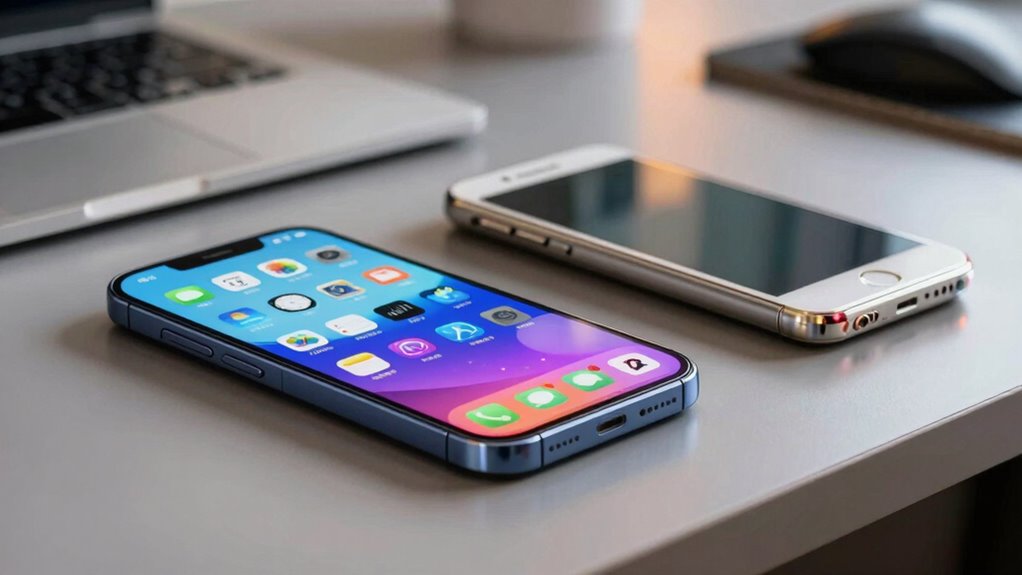
Most people upgrade their devices before they actually need to, often driven by a mix of social pressure, fear of missing out, or the desire for the latest features. This tendency isn’t just about functionality; it’s deeply tied to how brands perceive themselves and how social influence shapes your choices. When a new model hits the market, advertisements and social media buzz create an image of innovation and status. You see friends, influencers, or colleagues flaunting the newest device, and suddenly, your current one feels outdated, even if it still works perfectly.
People often upgrade devices early, driven by social pressure and the desire to stay trendy and aligned with brand images.
Brand perception plays a pivotal role here. Companies work tirelessly to craft an image that associates their products with prestige, success, and modernity. When you see a brand like Apple or Samsung releasing a sleek, feature-packed device, it’s not just about the tech—it’s about how owning that device elevates your status or aligns with your identity. Your subconscious picks up on these cues, and you start to believe that upgrading will somehow enhance your social standing. The brand’s reputation becomes a reflection of your self-image, and if everyone around you is upgrading, it’s natural to feel that you should too.
Social influence amplifies this effect. When your peers or social networks are posting about their new gadgets, it creates a peer pressure to keep up. You might think, “If I don’t upgrade now, I’ll fall behind,” even if your current device still functions well. This creates a cycle where the desire to fit in or be seen as tech-savvy overrides practical considerations. It’s almost as if your social environment is nudging you toward the latest device, making the upgrade feel less like a choice and more like a social obligation. Recognizing the role of social influence in these decisions can help you understand why you might feel compelled to upgrade prematurely.
This combination of brand perception and social influence fuels the impulse to upgrade early. It’s less about necessity and more about maintaining a certain image or avoiding social exclusion. You might convince yourself that the new features are worth it or that your current device is no longer “cool,” but ultimately, it’s the social signals and brand narratives that drive your decision. You’re not just upgrading for better performance; you’re upgrading to match the perception others have of you and to stay aligned with the social standards set by the brands and your community. Additionally, understanding the importance of color accuracy and contrast ratios in projectors can help you make smarter choices when upgrading your home cinema setup, ensuring you get the best visual experience for your space. Recognizing these influences can help you make more informed decisions and resist unnecessary upgrades driven by social pressure.
Furthermore, being aware of how market trends influence consumer behavior can empower you to make more deliberate choices, rather than simply following the crowd.
As an affiliate, we earn on qualifying purchases.
Frequently Asked Questions
How Do Social Influences Impact Upgrade Decisions?
Social influences, like social conformity and peer pressure, heavily impact your upgrade decisions. You might feel compelled to keep up with friends or colleagues who have the latest devices, even if your current one works fine. This desire to fit in pushes you toward upgrades to match social standards or impress others. Ultimately, these external pressures can lead you to upgrade earlier than necessary, prioritizing social acceptance over practical needs.
Do Marketing Strategies Create False Urgency?
Isn’t it tempting to believe marketing hype creates false urgency? It’s easy to fall for it, but often, marketing strategies play on product obsolescence to make you think you need the latest. They craft a sense of scarcity, urging quick upgrades before the old becomes useless. This clever play keeps you one step behind, even when your current device still works. Don’t let marketing manipulate your sense of necessity.
Are Emotional Attachments a Factor in Upgrades?
Yes, emotional attachments considerably influence your decision to upgrade. Emotional triggers like attachment loyalty make you feel connected to a brand or product, prompting you to upgrade before it’s necessary. These feelings create a sense of security and satisfaction, making you hesitant to switch or wait. Your attachment loyalty drives you to seek newer features or better designs, often leading to upgrades driven more by emotion than practical need.
How Do Peer Comparisons Drive Upgrade Behavior?
Peer comparisons profoundly influence your upgrade behavior because they create a sense of competition and social status. When you see friends or colleagues with the latest tech or luxury items, peer pressure nudges you to keep up, often driven by brand loyalty. You may upgrade earlier than needed to maintain your image or avoid feeling left behind, ultimately making upgrades feel less about necessity and more about fitting in.
Can Fear of Missing Out Influence Upgrade Timing?
Yes, fear of missing out influences your upgrade timing through consumer psychology and upgrade anxiety. You might feel compelled to upgrade early to avoid missing out on new features, social status, or the latest technology. This sense of urgency pushes you to act before truly needing an upgrade, driven by the desire to stay current and connected, rather than practical necessity. It’s a powerful motivator shaping your upgrade decisions.
prestige smartphones for social status
As an affiliate, we earn on qualifying purchases.
As an affiliate, we earn on qualifying purchases.
Conclusion
So, next time you’re tempted to upgrade early, remember—you’re steering your ship into uncharted waters, chasing the illusion of smoother sailing. Sometimes, the urge to upgrade is just the siren song of novelty, pulling you away from appreciating what you already have. Instead of chasing shiny new horizons, learn to navigate with what’s onboard. After all, the real adventure lies in mastering your current vessel before sailing into the next big thing.
As an affiliate, we earn on qualifying purchases.
As an affiliate, we earn on qualifying purchases.
Halloween Picks
halloween
As an affiliate, we earn on qualifying purchases.