Technology can disrupt your sleep by emitting blue light that suppresses melatonin and delays relaxation. Notifications and constant distractions make it harder to wind down and can fragment your sleep, leaving you tired. To improve rest, use blue light filters, set device boundaries before bed, and create calming routines away from screens. Keep exploring ways to harness tech wisely—better sleep could be just a few adjustments away.
Key Takeaways
- Excessive screen time and blue light exposure before bed disrupt circadian rhythms and delay sleep onset.
- Notifications and digital distractions fragment sleep and make relaxation difficult.
- Using features like blue light filters, “Do Not Disturb,” and calming apps can promote better sleep habits.
- Establishing a tech-free wind-down routine and keeping devices out of reach enhances sleep quality.
- Balancing device use and creating a relaxing environment improves sleep duration and overall health.
Understanding How Screens Affect Your Sleep Cycle

Screens emit blue light, which can interfere with your body’s natural sleep signals. When you spend time on devices before bed, this light suppresses melatonin production, the hormone that signals your body it’s time to sleep. Without enough melatonin, falling asleep becomes harder, and your sleep quality diminishes. Blue light also shifts your circadian rhythm, making you feel alert when you should be winding down. This disruption can lead to delayed sleep onset, shorter sleep duration, and less restorative rest. Recognizing how screens impact your sleep cycle is essential. Understanding the impact of blue light is crucial for making informed choices about your nighttime habits. The sooner you understand this interference, the better you can adjust your habits. Implementing blue light filters on devices or wearing glasses that block blue light can significantly reduce these effects and help restore your natural sleep signals. Additionally, screen brightness settings can be adjusted to minimize blue light exposure, further supporting healthy sleep. Studies also show that incorporating wind and wave awareness into your nightly routine, such as relaxing by the water or practicing calming activities, can promote better sleep. Reducing screen time before bed helps restore your natural sleep signals and improves overall sleep quality.
Recognizing the Impact of Notifications and Digital Distractions
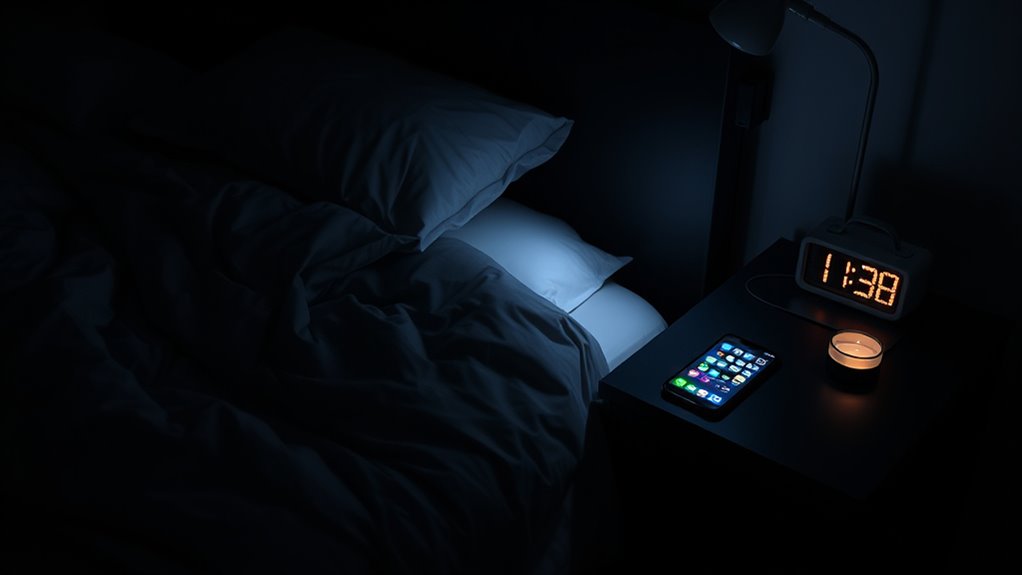
Notifications and digital distractions can considerably disturb your sleep even if you don’t realize it. When your phone buzzes or chimes, your brain shifts focus, making it harder to wind down. Even brief glances at notifications release dopamine, keeping you alert and delaying relaxation. Constant alerts create a cycle of interruptions, preventing your body from shifting into restful sleep. Over time, this can lead to fragmented sleep patterns and reduced sleep quality. You might feel tired or groggy in the morning without understanding why. Recognizing how these distractions affect your sleep is the first step. By paying attention to how often your devices interrupt your evening, you can better understand the impact of digital disruptions on your rest and take steps to minimize them. Additionally, understanding your trusted resources can help you find solutions to improve your digital habits. Being aware of digital distraction effects can motivate you to set boundaries for device use during the evening hours. Incorporating digital wellbeing practices can further support healthier sleep habits and reduce the influence of technology on your rest. Remember that mindful device use can help you develop a more intentional relationship with technology and protect your sleep quality. Recognizing the importance of digital boundaries can also help prevent overstimulation before bedtime.
Choosing Sleep-Friendly Technology and Settings
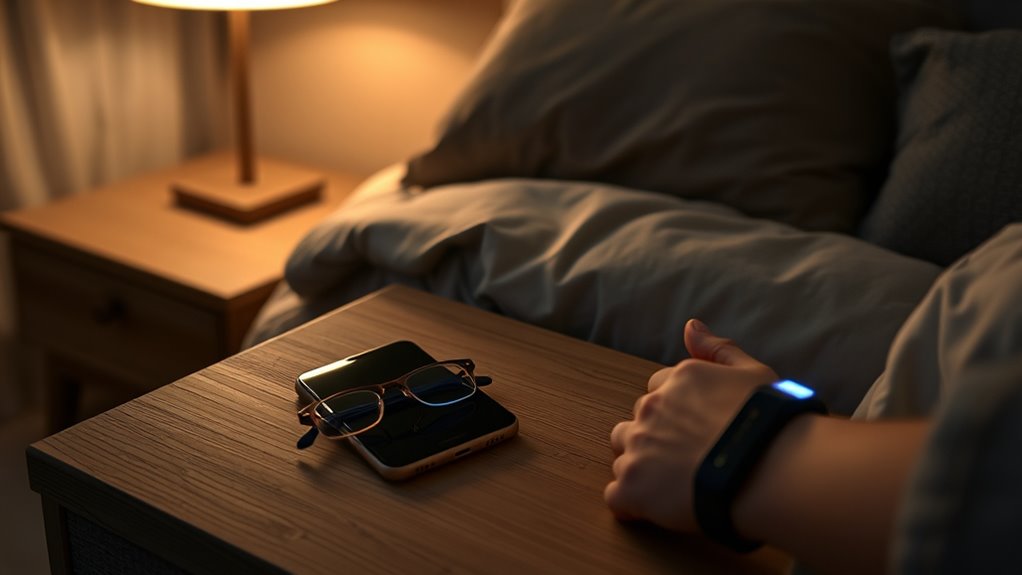
To improve your sleep, it’s essential to choose technology and settings that support relaxation rather than disrupt it. Opt for devices with blue light filters or night modes to reduce eye strain and melatonin suppression. Adjust screen brightness to the lowest comfortable level, especially in the evening. Use apps that promote calming sounds or guided meditations instead of stimulating content. Turn off notifications or set devices to “Do Not Disturb” mode during sleep hours to minimize interruptions. Consider investing in sleep-tracking devices that provide insights without constantly pinging you. Additionally, exploring technological solutions designed explicitly for better sleep can help you create a more restful environment. Some devices incorporate blue light filtering technology to further lessen the impact on your circadian rhythm. Being aware of your device’s impact on sleep can help you make better choices for a healthier rest. Incorporating smart-home integrations that optimize lighting and temperature can further enhance your sleep environment and promote relaxation. Research shows that light management techniques can significantly improve sleep quality and duration.
Creating a Bedtime Tech Routine That Promotes Rest
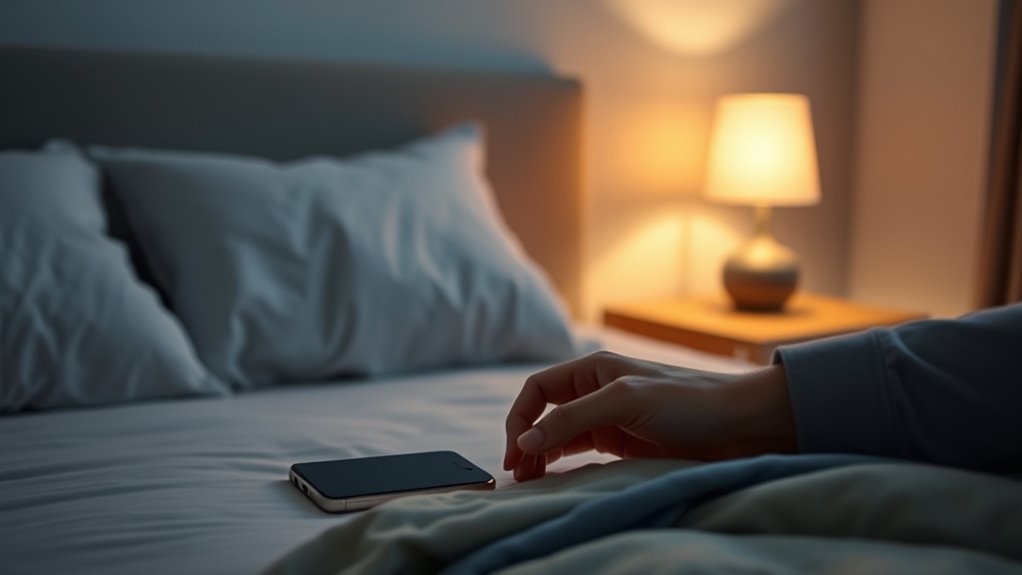
Establishing a consistent bedtime tech routine can substantially enhance your sleep quality. Set a specific time to turn off screens each night, ideally 30 to 60 minutes before bed. Use this time to wind down with calming activities, such as reading a book or practicing relaxation techniques. Avoid engaging with stimulating content or social media, which can interfere with your ability to relax. Consider using blue light filters or apps that reduce blue light exposure during your routine. Keep your devices out of reach or in “Do Not Disturb” mode to prevent interruptions. Creating a sleep-conducive environment and a routine that signals to your brain it’s time to unwind can reinforce healthy sleep patterns and make it easier to fall asleep naturally. Incorporating sleep-promoting habits into your nightly routine can further support restful sleep. Developing a consistent sleep schedule helps your body recognize when it’s time to rest, making your sleep more restorative. Practicing mindfulness or meditation can also help calm your mind before bed. Paying attention to your sleep environment—such as temperature, lighting, and noise levels—can significantly impact how quickly you fall asleep and the quality of your rest. Consistency is key to making this routine effective.
Practical Tips to Minimize Screen Time Before Bed
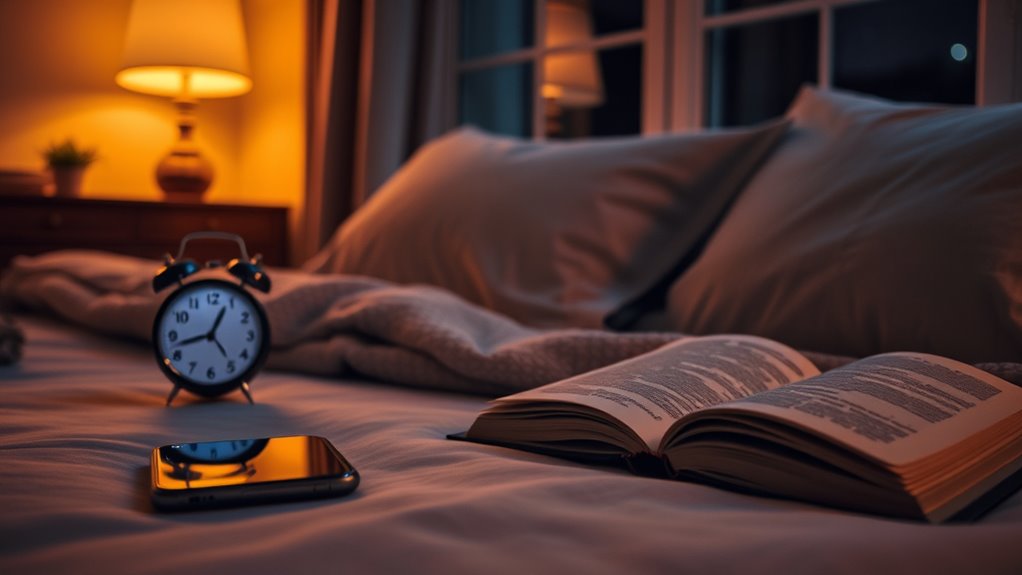
Reducing screen time before bed can substantially improve your sleep quality. To do this, set a specific cutoff time for all devices at least 30 to 60 minutes before bed. Create a relaxing wind-down routine that doesn’t involve screens, like reading a book, listening to calming music, or practicing gentle stretches. Keep devices out of your bedroom or turn off notifications to prevent temptation. Use features like “Night Mode” or blue light filters if you must use screens briefly. Consider replacing your phone or tablet with a traditional alarm clock to avoid late-night scrolling. Establishing these habits helps signal to your brain that it’s time to relax, making it easier to fall asleep and enjoy restful, uninterrupted sleep. Incorporating calming sleep environment adjustments, like blackout curtains or a comfortable mattress, can further enhance your ability to rest peacefully. Additionally, being mindful of your air quality can contribute to better sleep by reducing allergens and pollutants in your space. Incorporating connected wellness tech devices can also help track your sleep patterns and optimize your bedtime routine for better rest. Being aware of the light exposure from screens and natural sources during the day can also influence your overall sleep quality, helping to regulate your circadian rhythm effectively.
Frequently Asked Questions
Can Blue Light Glasses Improve Sleep Quality?
Yes, blue light glasses can improve your sleep quality. They block or filter out blue light emitted by screens, reducing its impact on melatonin production. When you wear them in the evening, you’ll likely find it easier to fall asleep and enjoy more restful nights. Incorporate them into your nightly routine to help your body prepare for sleep, especially if you spend a lot of time on devices before bed.
What Are the Best Apps to Track Sleep Patterns?
You should try apps like Sleep Cycle, Pillow, and AutoSleep to track your sleep patterns effectively. These apps analyze your movements and sounds to provide detailed insights into your sleep quality and duration. Use them regularly to identify patterns, optimize your sleeping habits, and improve rest. Remember to set a consistent sleep schedule and avoid screens before bed for the best results alongside these tracking tools.
How Does Sleep Deprivation Affect Technology Use?
When you’re sleep-deprived, your ability to use technology wisely diminishes. For example, after a sleepless night, you might scroll endlessly on your phone, losing hours and exposing yourself to blue light that worsens sleep. This cycle reduces your focus, increases stress, and hampers decision-making. Sleep deprivation makes it harder to set boundaries with tech, creating a vicious cycle where poor rest leads to poor tech habits, further damaging your sleep quality.
Are There Specific Devices Designed to Promote Relaxation?
Yes, there are devices designed to promote relaxation. You can try using white noise machines, which create soothing sounds that help you fall asleep faster. Light therapy lamps simulate natural sunlight, improving your mood and circadian rhythm. Aromatherapy diffusers release calming scents like lavender, reducing stress. Additionally, wearable sleep trackers monitor your sleep patterns and guide you on relaxation techniques, helping you establish a restful bedtime routine.
How Long Before Bed Should I Stop Using Screens?
You should stop using screens at least 30 to 60 minutes before bed. Ironically, the very devices promising relaxation often delay your sleep, making you more tired in the morning. Cutting off screen time early helps your melatonin production, so your body knows it’s time to rest. Instead of scrolling, try winding down with a book or calming music—your future self will thank you for the restful night.
Conclusion
Think of your sleep as a delicate garden that needs careful tending. By managing your tech use and creating a calming bedtime routine, you’re planting seeds for restful nights. Just like a garden thrives with the right care, your sleep benefits when you set boundaries with screens and notifications. Embrace these habits, and watch your nights blossom into peaceful, restorative retreats—turning your digital landscape into a sanctuary for truly sweet dreams.